Google launches the Gmail Verified Sender Program, allowing political campaigns to bypass spam filters ahead of the 2026 US Mid-term Elections.
Related Posts:
Telegram Applies for .gram Domain to Give Every User Their Own TLD
GitHub Outage Postmortem: Retry Storm and Copilot Auth Overload Explained
OpenAI Astra Security Model: Pausing Development for Safety
The post Gmail Verified Sender Program Launch 2026 appeared first on Daily CyberSecurity.
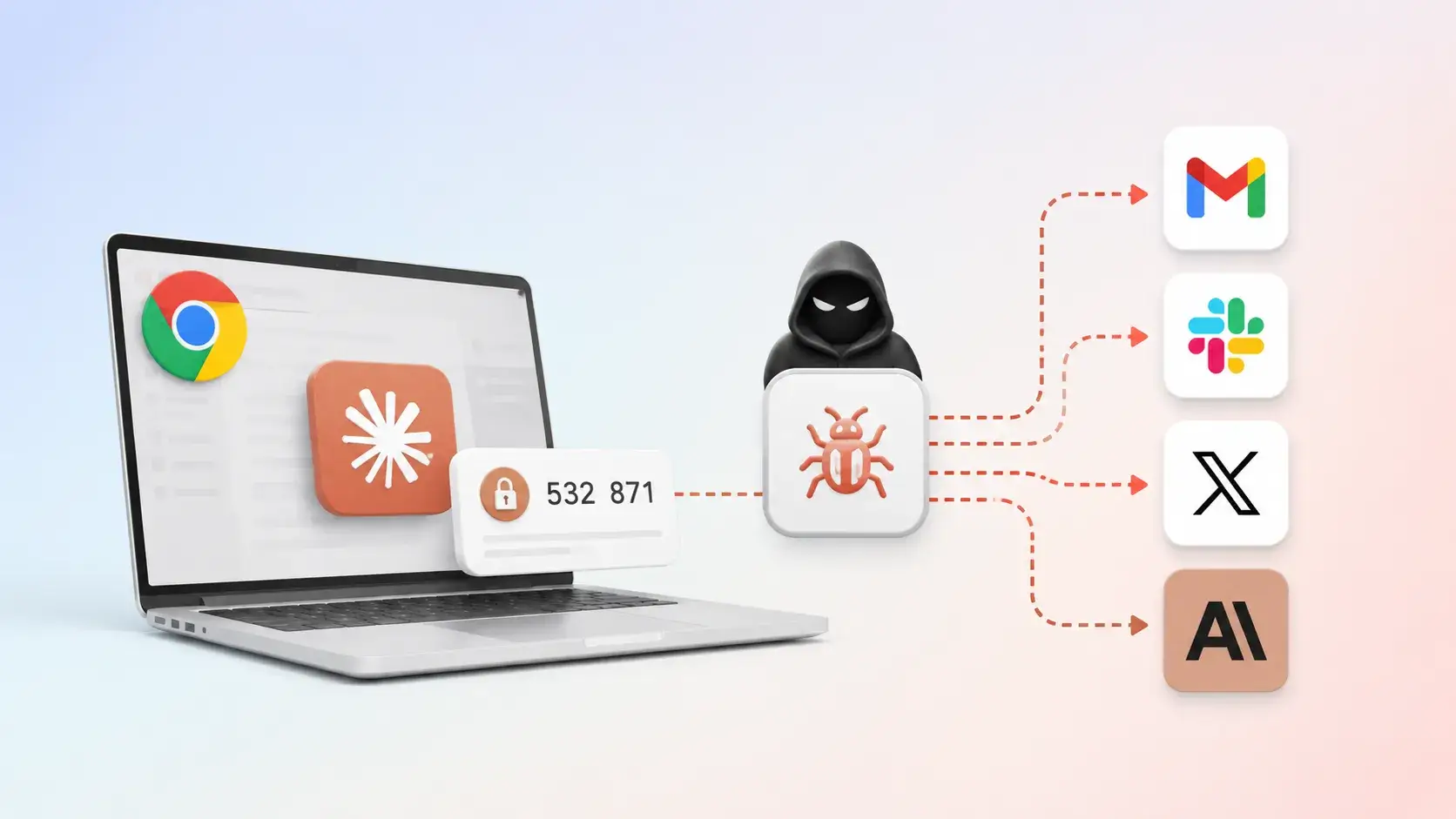
Security researchers have demonstrated an indirect prompt-injection chain affecting Claude in Chrome that can transform a standard request, such as summarizing recent emails, into a cross-account takeover scenario. The research reveals how untrusted content viewed by an AI browser agent can exploit authenticated browser sessions to steal email-delivered verification secrets and compromise accounts on services […]
The post Claude in Chrome Exploit Lets Attackers Steal Gmail Codes and Take Over Sl
Security researchers have demonstrated an indirect prompt-injection chain affecting Claude in Chrome that can transform a standard request, such as summarizing recent emails, into a cross-account takeover scenario. The research reveals how untrusted content viewed by an AI browser agent can exploit authenticated browser sessions to steal email-delivered verification secrets and compromise accounts on services […]
Gmail now warns BCC recipients before they reply all, helping prevent accidental exposure of their involvement and email address.
The post Gmail’s New Feature Warns You Before Revealing You Were BCC’d appeared first on TechRepublic.
A fake recruitment phishing campaign impersonates major brands and uses trusted HR platforms to steal Google account credentials.
The post Fake Job Offers Impersonate Netflix, OpenAI, and FIFA to Steal Google Credentials appeared first on TechRepublic.
The sky is falling, and Gmail has supposedly been hacked to bits by malicious parties unknown. Or has it? Reports circulated last week claiming that Gmail was the subject of a major data breach, citing a series of warnings Google has distributed and increasing reports of phishing attacks. The hysteria was short-lived, though. In a brief post on its official blog, Google says that Gmail's security is "strong and effective," and reports to the contrary are mistaken.
This story seems to have develo
The sky is falling, and Gmail has supposedly been hacked to bits by malicious parties unknown. Or has it? Reports circulated last week claiming that Gmail was the subject of a major data breach, citing a series of warnings Google has distributed and increasing reports of phishing attacks. The hysteria was short-lived, though. In a brief post on its official blog, Google says that Gmail's security is "strong and effective," and reports to the contrary are mistaken.
This story seems to have developed due to a random confluence of security events. Google experienced a Gmail data breach in June, but the attack was limited to the company's corporate Salesforce server. The hacker was able to access publicly available information like business names and contact details, but no private information was compromised.
Over the following weeks, Google alerted Gmail users to an increase in phishing attacks in July and August. It didn't offer many details, but many believed the spike in phishing was related to the corporate server breach. Indeed, more people are talking about hacking attempts on social media right now. This led to the claim that Gmail's entire user base of 2.5 billion people was about to be hacked at any moment, with some reports advising everyone to change their passwords and enable two-factor authentication. While that's generally good security advice, Google says the truth is much less dramatic.

 Entrar