Pegasus spyware infected a Serbian activist through a zero-click iMessage exploit, part of Serbia's largest spyware wave. Update iOS now.
Related Posts:
Node.js Malware Attacks Target Tech and Finance Sectors
Python NodeStealer Adds Keylogging and Screen Capture Spyware
Packagist Themes iOS Spyware Steals Crypto Wallet Seeds
The post Pegasus Spyware Hits Serbian Student Activist via Zero-Click iMessage appeared first on Daily CyberSecurity.
Python NodeStealer now adds keylogging, clipboard, and screenshot spyware plus dual Telegram C2. See how the NodeStealer spyware upgrade works.
Related Posts:
Pegasus Spyware Hits Serbian Student Activist via Zero-Click iMessage
Node.js Malware Attacks Target Tech and Finance Sectors
Packagist Themes iOS Spyware Steals Crypto Wallet Seeds
The post Python NodeStealer Adds Keylogging and Screen Capture Spyware appeared first on Daily CyberSecurity.
Serbian activists were targeted with zero-click Pegasus and NoviSpy spyware, exposing a major surveillance campaign ahead of elections.
A member of Serbia’s student protest movement had their iPhone infected with NSO Group‘s Pegasus spyware without ever clicking a link or opening a file. The Citizen Lab confirmed the infection in collaboration with the SHARE Foundation, tracing it to an iMessage zero-click exploit and identifying high-confidence indicators of compromise between December 2025
Serbian activists were targeted with zero-click Pegasus and NoviSpy spyware, exposing a major surveillance campaign ahead of elections.
A member of Serbia’s student protest movement had their iPhone infected with NSO Group‘s Pegasus spyware without ever clicking a link or opening a file. The Citizen Lab confirmed the infection in collaboration with the SHARE Foundation, tracing it to an iMessage zero-click exploit and identifying high-confidence indicators of compromise between December 2025 and January 2026, with the possibility of additional infections not ruled out.
“In collaboration with the SHARE Foundation, the Citizen Lab analyzed forensic artefacts from the iPhone of a member of Serbia’s student protest movement after they received an Apple Threat Notification warning of targeting with mercenary spyware.” reads the report published by Citizen Lab. “Our analysis confirmed that an iMessage zero-click exploit was used to infect the device with NSO Group’s Pegasus spyware. “
The attack required no action from the victim, which makes zero-click attacks especially dangerous. Citizen Lab said the Pegasus infection could stay hidden while giving the attacker full access to the phone, including messages, photos, notes, microphone, and camera. Apple later fixed this specific exploit through security updates in iOS 18.4.1.
“We believe that the zero-click exploit used in this attack targeted Apple iMessage, and has subsequently been patched by Apple as of iOS 18.4.1.” continues the report. “A zero-click infection with Pegasus spyware would not have been visible to the target, and would give the Pegasus attacker total access to the device. Pegasus allows an attacker to do anything that a user can do, ranging from accessing private data like notes, pictures and even encrypted messages. Pegasus also has the ability to covertly enable the phone’s microphone and camera.”
This one confirmed infection sits inside something considerably bigger. The SHARE Foundation has documented at least 14 individuals targeted with advanced spyware since early 2026, spanning student movement members, civil society activists, an opposition member of parliament, and a local councilor, which the organization is calling the largest documented surveillance wave in Serbia’s history. Twelve people approached SHARE’s digital forensics team in August after receiving Apple’s own threat notifications, warnings the company sends when it detects likely state-sponsored spyware targeting; eleven of those devices remain presumed infected pending further forensic confirmation.
The timing lines up uncomfortably well with Serbia’s political calendar. This surveillance wave coincides with local elections held on March 29, 2026, and stretches toward planned early parliamentary elections in October, following months of student-led anti-government and anti-corruption protests.
“These notifications and forensic confirmation highlight the aggressive mercenary spyware targeting of the peaceful pro-democracy movement with mercenary spyware ahead of key 2026 election cycles.” continues the report.
Targeting activists and opposition figures specifically in the run-up to elections isn’t subtle, and it fits a pattern Serbia has shown before.
Serbia has a history of using commercial spyware. Citizen Lab previously documented Pegasus targeting civil society and the use of Cellebrite tools to install the locally developed NoviSpy on activists’ phones. In this case, SHARE Foundation and Amnesty Tech found a new version of NoviSpy on a student activist’s Android phone after Serbian authorities seized it during police questioning.
Amnesty International’s Security Lab head, Donncha Ó Cearbhaill, connected the dots plainly between state custody and spyware installation.
“The forensic findings by SHARE prove that Serbian students continue to be targeted with invasive Android spyware tools, installed while detained by Serbian authorities” he said.
If you’ve received an Apple Threat Notification, whether in Serbia or anywhere else, the Citizen Lab’s guidance is unambiguous: treat it as a presumed infection and get expert help immediately rather than waiting to see if anything seems wrong. Individuals in Serbia should contact the SHARE Foundation directly, and anyone elsewhere can reach Access Now’s Digital Security Helpline, which supports journalists, human rights defenders, and other high-risk civil society targets worldwide. Anyone who suspects they might be a target based on their work or public role should also turn on Lockdown Mode, Apple’s built-in feature that significantly narrows what a zero-click exploit can actually reach, and keep every device updated, since the patch that closed this specific hole has already existed for well over a year for anyone who installed it.
“We believe that the zero-click used in this attack has been rendered ineffective by a patch from Apple in recent iOS versions. We urge everyone, especially those facing increased risks because of who they are or the work they do, to keep all devices updated.” concludes the report. “Click HERE for instructions on how to keep your iPhone up to date.”
At least 14 people connected to Serbia's student protest movement and opposition politics have been targeted with mercenary spyware since early 2026, the Belgrade-based digital rights organization SHARE Foundation said, in what it called the largest documented wave of such targeting in the country.
The group said the cohort includes student movement members, civil society activists, a member of parliament and a local councilor. Forensic analysis was independently confirmed by the Citizen Lab at
At least 14 people connected to Serbia's student protest movement and opposition politics have been targeted with mercenary spyware since early 2026, the Belgrade-based digital rights organization SHARE Foundation said, in what it called the largest documented wave of such targeting in the country.
The group said the cohort includes student movement members, civil society activists, a member of parliament and a local councilor. Forensic analysis was independently confirmed by the Citizen Lab at the University of Toronto and by Amnesty International's Security Lab.
Citizen Lab, in its own findings, said it verified an infection with NSO Group's Pegasus on the iPhone of a student activist who asked not to be named. High-confidence infection indicators span December 2025 through January 2026, delivered by a zero-click iMessage exploit that required no interaction from the target. Apple has since patched the underlying flaw; the fix shipped in iOS 18.4.1. Pegasus grants an operator access to notes, photographs and messages decrypted on the device, and can silently activate the microphone and camera.
Amnesty's Security Lab confirmed a new variant of NoviSpy, an Android implant first identified in Serbia in 2024, on two additional devices. SHARE said the rebuilt version was designed to evade the detection methods that exposed its predecessor.
The circumstances of two infections are what elevate the findings beyond routine spyware reporting. SHARE said one NoviSpy infection appeared after police seized a student's phone during questioning, and another after private messages from that device were published by a pro-government media outlet. Donncha Ó Cearbhaill, who heads Amnesty's Security Lab, said the evidence suggests "infections are being carried out during detention by Serbian authorities."
Suspicion centers on Serbia's Security Information Agency, or BIA. Amnesty's December 2024 report "A Digital Prison" found earlier NoviSpy samples configured to send collected data to IP addresses associated with BIA servers, and documented the agency's parallel use of Cellebrite extraction tools on journalists and activists. In March 2025, Amnesty reported that two journalists at the Balkan Investigative Reporting Network were targeted with Pegasus.
The current cases surfaced through Apple's threat notification wave of Aug. 13, which reached users in 110 countries. The timing is politically loaded. The targeting overlaps with protests that followed the November 2024 collapse of a railway station canopy in Novi Sad, spans local elections held March 29 in 10 municipalities, and precedes October parliamentary elections widely read as a test of the ruling Serbian Progressive Party.
Ana Toskic Cvetinovic, a legal expert cited in the reporting, noted that deploying intrusive software without judicial authorization is unlawful under Serbian law. SHARE published an analysis of the domestic legal framework in January arguing the same. Criminal complaints filed over the 2024 cases remain pending before Serbian courts, with no resolution.
NSO has been on the U.S. Commerce Department's Entity List since 2021.
Serbia is an accession candidate, the European Parliament has previously questioned the Commission over unlawful spyware use in the country, and the Commission published its 2026 enlargement country report in July. Amnesty's submission for that package raised surveillance directly.
Both groups urged at-risk users to enable Lockdown Mode on iOS or Advanced Protection on Android.
A new Manic Android malware campaign combines banking fraud and spyware, using a unique offline mesh relay to steal data even without internet access.
Related Posts:
Android Head Unit Malware Recruits Vehicles into Botnet
Projextor Malware Hides in Fake PDF and Recipe Apps
Evooo1Bot Linux Botnet Employs SOCKS Relays and DDoS
The post Manic Android Malware Steals Data Without Active Internet appeared first on Daily CyberSecurity.
Apple sent a new wave of mercenary spyware threat notifications to targeted users in 110 countries, while making the warnings more visible on iPhones. The alerts signal suspected targeting, not confirmed compromise, and Apple is urging affected users to verify the warning, consider Lockdown Mode, and seek expert help.
The post Apple Warns Users in 110 Countries of Mercenary Spyware as iPhone Alerts Get Harder to Miss appeared first on TechRepublic.
Apple sent a new wave of mercenary spyware threat notifications to targeted users in 110 countries, while making the warnings more visible on iPhones. The alerts signal suspected targeting, not confirmed compromise, and Apple is urging affected users to verify the warning, consider Lockdown Mode, and seek expert help.
Federal court records show how far the FBI’s Pegasus review progressed — and why new US spyware reporting will still leave major gaps in government hacking transparency.
The post FBI Pegasus Records Expose a Blind Spot in US Spyware Oversight appeared first on TechRepublic.
Federal court records show how far the FBI’s Pegasus review progressed — and why new US spyware reporting will still leave major gaps in government hacking transparency.
U.S. courts will begin separately tracking spyware-based interceptions, giving the public new data on government hacking while leaving key gaps.
The post US Courts To Begin Publishing Spyware Records From 2029 appeared first on TechRepublic.
Apple has issued mercenary spyware attack warnings to users across 110+ countries, urging immediate security action and device hardening.
Related Posts:
Gunra Ransomware Hits Critical Infrastructure, CISA Warns
ChainDrop npm Worm Hits 400+ Packages via Blockchain C2
Fake Zoom Installer Drops Overlord RAT on macOS
The post Apple Sends Mercenary Spyware Alerts to Users in 110+ Countries appeared first on Daily CyberSecurity.
Apple warns users of credible, targeted attacks and urges immediate verification, stronger protections, and expert assistance.
Apple has sent a new round of threat notifications to users it believes may have been singled out by mercenary spyware. The company told TechCrunch the latest alerts reached people in 110 countries, adding to notifications it has already issued in more than 150 countries since the programme began in 2021.
“Apple threat notifications are designed to inform and assi
Apple warns users of credible, targeted attacks and urges immediate verification, stronger protections, and expert assistance.
Apple has sent a new round of threat notifications to users it believes may have been singled out by mercenary spyware. The company told TechCrunch the latest alerts reached people in 110 countries, adding to notifications it has already issued in more than 150 countries since the programme began in 2021.
“Apple threat notifications are designed to inform and assist users who may have been individually targeted by mercenary spyware attacks, likely because of who they are or what they do. Such attacks are vastly more sophisticated than regular cybercriminal activity, as mercenary spyware attackers apply exceptional resources to target a very small number of specific individuals and their devices.” reads the alert. “Mercenary spyware attacks cost millions of dollars and often have a short shelf life, making them much harder to detect and prevent. The vast majority of users will never be targeted by such attacks.”
That alone should reset the usual mental model. This isn’t about a suspicious app, a recycled phishing email, or the kind of opportunistic malware that lands wherever it can. Apple’s alerts concern highly targeted attacks against particular people, often because of their role, their work, or the people they know.
The people most likely to receive these notifications include journalists, activists, politicians, diplomats, lawyers, and others whose devices may hold valuable conversations, contacts, documents, or location data. That does not mean every recipient has been fully compromised, but it does mean Apple has observed enough to treat the risk as credible.
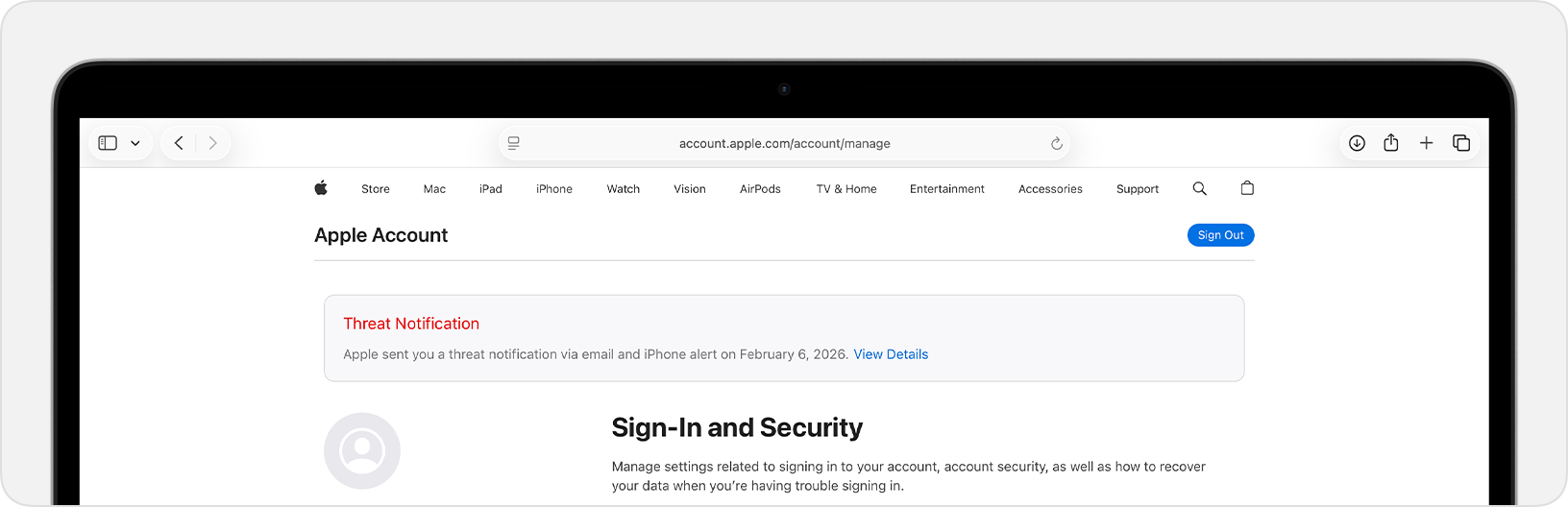
Apple has also changed how it delivers those alerts. A recipient may see a push notification directly on the iPhone lock screen and in Settings, receive an email from threat-notifications@email.apple.com, and find a warning banner after signing in to their Apple Account. The company says genuine notices will never ask users to click a link, open a file, install a profile, or provide a password or verification code by email or phone.
“Apple relies solely on internal threat-intelligence information and investigations to detect such attacks. Although our investigations can never achieve absolute certainty, Apple threat notifications are high-confidence alerts that a user has been individually targeted by a mercenary spyware attack, and should be taken very seriously.” continues the report. “We are unable to provide information about what causes us to issue threat notifications, as that may help mercenary spyware attackers adapt their behavior to evade detection in the future.”
That lack of detail can frustrate recipients. They want to know who targeted them, how the device was approached, and whether the attacker got in. Apple can’t safely answer most of those questions in public, because publishing the detection logic would give spyware vendors a free quality-assurance report. Nobody needs to make Pegasus-style operators more efficient.
If you receive the warning, don’t panic and don’t start improvising. First, verify it by signing in directly at account.apple.com: a genuine Apple threat notification appears at the top of the page. Then preserve the device, avoid unnecessary resets or changes until you have spoken to someone qualified, and seek expert help, such as the Digital Security Helpline run by Access Now.
Apple recommends enabling Lockdown Mode, its high-security setting designed to reduce the attack surface available to sophisticated spyware. It also advises keeping devices updated, using a strong passcode with Touch ID or Face ID, turning on two-factor authentication, enabling Stolen Device Protection, using strong and unique passwords or passkeys, installing apps only through the App Store, and treating unexpected links or attachments as hostile until proven otherwise.
“Since 2021, we have sent Apple threat notifications multiple times a year as we have detected these attacks, and to date we have notified users in over 150 countries in total. The extreme cost, sophistication, and worldwide nature of mercenary spyware attacks make them some of the most advanced digital threats in existence today.” states the alert. “As a result, Apple does not attribute the attacks or resulting threat notifications to any specific attackers or geographical regions.”
The wider value of these alerts goes beyond the device in front of the recipient. Citizen Lab researcher John Scott-Railton told TechCrunch that notifications can reveal that an entire community is being targeted, because people who receive them often seek help and their cases lead investigators to others.
Most people will never receive one of these warnings. Apple says that plainly, and it is worth repeating because not every cybersecurity story needs to become a universal panic. But if your phone shows an Apple notice saying it detected a targeted mercenary spyware attack, assume it matters until an expert tells you otherwise.
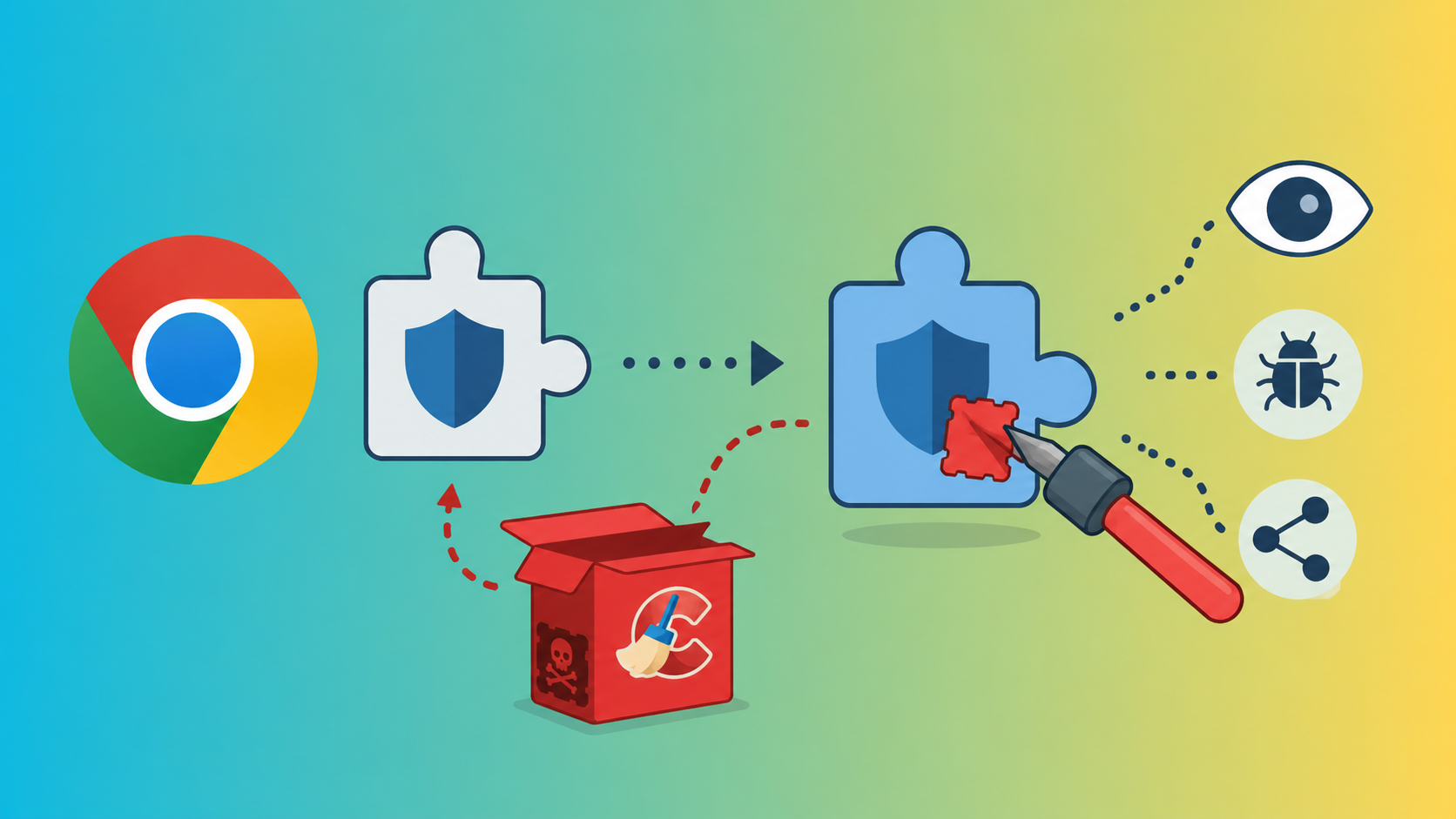
A counterfeit installer for the widely used PC-cleaning utility CCleaner is being used to compromise Windows systems and deploy a malicious Chrome extension dubbed GhostDesk. CCleaner’s global popularity, with more than two billion downloads, gives attackers a credible pretext to target users searching for system-maintenance tools. The observed infection chain begins at ccleanerwind[.]top, a website […]
The post Malicious CCleaner Installer Patches Chrome Security Extension to Deploy Browser Spy
A counterfeit installer for the widely used PC-cleaning utility CCleaner is being used to compromise Windows systems and deploy a malicious Chrome extension dubbed GhostDesk. CCleaner’s global popularity, with more than two billion downloads, gives attackers a credible pretext to target users searching for system-maintenance tools. The observed infection chain begins at ccleanerwind[.]top, a website […]
Dolphin X malware targets more than 300 apps and includes an AI Profiler that scores infected Windows PCs to help criminals identify high-value victims quickly.
Dolphin X malware targets more than 300 apps and includes an AI Profiler that scores infected Windows PCs to help criminals identify high-value victims quickly.
Apple is testing an iOS 26.6 security alert that warns users about malicious iMessages and lets them report suspicious messages.
The post Apple Tests New iMessage Warning for Malicious Messages appeared first on TechRepublic.
Apple is releasing some iPhone security fixes earlier as AI raises concerns about faster cyberattacks and shorter patch windows.
The post iPhone Security Fixes May Arrive Sooner as AI Speeds Up Threats appeared first on TechRepublic.
Modern browser extensions and ad blockers are legally collecting and reselling user data, including streaming habits and B2B sales intelligence, under the guise of "analytics." This unregulated "legal spyware" creates massive security gaps as employees unwittingly leak corporate URLs, SaaS dashboards, and research activity to third-party databases. With the rise of AI-native browsers and personal device syncing, security leaders must evolve beyond simple permission checks to implement rigorous
Modern browser extensions and ad blockers are legally collecting and reselling user data, including streaming habits and B2B sales intelligence, under the guise of "analytics." This unregulated "legal spyware" creates massive security gaps as employees unwittingly leak corporate URLs, SaaS dashboards, and research activity to third-party databases. With the rise of AI-native browsers and personal device syncing, security leaders must evolve beyond simple permission checks to implement rigorous extension governance and privacy policy reviews to prevent targeted attacks and corporate data leakage.
O DarkSword e o Coruna são novas ferramentas utilizadas em ataques invisíveis a dispositivos iOS. Esses ataques não exigem interação do usuário e já estão sendo usados em larga escala por agentes mal-intencionados. Antes do surgimento dessas ameaças, a maioria dos usuários do iPhone não precisava se preocupar com a segurança de dados. Poucos grupos realmente se preocupavam com isso, como políticos, ativistas, diplomatas, executivos de negócios de alto nível e pessoas que lidam com dados extremam
O DarkSword e o Coruna são novas ferramentas utilizadas em ataques invisíveis a dispositivos iOS. Esses ataques não exigem interação do usuário e já estão sendo usados em larga escala por agentes mal-intencionados. Antes do surgimento dessas ameaças, a maioria dos usuários do iPhone não precisava se preocupar com a segurança de dados. Poucos grupos realmente se preocupavam com isso, como políticos, ativistas, diplomatas, executivos de negócios de alto nível e pessoas que lidam com dados extremamente confidenciais, já que eles poderiam vir a ser alvos de agências de inteligência estrangeiras. Já discutimos spywares avançados usados contra esses grupos anteriormente, e observamos como era raro encontrá-los.
No entanto, o DarkSword e o Coruna, descobertos por pesquisadores no início deste ano, são revolucionários. Esses malwares estão sendo usados em infecções em massa de usuários comuns. Nesta postagem, explicamos por que essa mudança ocorreu, os riscos dessas ferramentas e como se proteger.
O que sabemos sobre o DarkSword e como ele pode infectar o seu iPhone
Em meados de março de 2026, três equipes de pesquisa diferentes coordenaram a divulgação das suas descobertas sobre um novo spyware chamado de DarkSword. Essa ferramenta é capaz de invadir silenciosamente dispositivos com o iOS 18, sem que o usuário perceba que algo está errado.
Agora que isso já foi esclarecido, vamos voltar a falar sobre o DarkSword. A pesquisa mostra que esse malware infecta as vítimas quando elas visitam sites perfeitamente legítimos que contêm códigos maliciosos. O spyware se instala sem qualquer interação do usuário: basta acessar uma página comprometida. Isso é conhecido como técnica de infecção zero clique. Os pesquisadores relatam que milhares de dispositivos já foram infectados desta forma.
Para comprometer um dispositivo, o DarkSword usa uma cadeia de exploits com seis vulnerabilidades para evitar o sandbox, aumentar privilégios e executar código. Assim que o dispositivo é infectado, o malware consegue coletar dados, incluindo:
Senhas
Fotos
Conversas e dados do iMessage, WhatsApp e Telegram
Histórico do navegador
Informações dos aplicativos Calendário, Notas e Saúde da Apple
Além disso, o DarkSword coleta dados de carteiras de criptomoedas, atuando como malware de dupla finalidade para espionagem e roubo de criptoativos.
A única boa notícia é que o spyware não sobrevive a uma reinicialização. O DarkSword é um malware sem arquivo, o que significa que ele vive na RAM do dispositivo e nunca se incorpora ao sistema de arquivos.
Coruna: direcionado às versões mais antigas do iOS
Apenas duas semanas antes da descoberta do DarkSword se tornar pública, os pesquisadores revelaram outra ameaça que tinha o iOS como alvo, chamada de Coruna. Esse malware consegue comprometer dispositivos que executam softwares mais antigos, especificamente as versões 13 a 17.2.1 do iOS. O método utilizado pelo Coruna é exatamente igual ao do DarkSword: as vítimas visitam um site legítimo injetado com código malicioso que, em seguida, infecta o dispositivo delas com o malware. Todo o processo é completamente invisível e não requer interação do usuário.
Uma análise detalhada do código do Coruna revelou que ele explora 23 vulnerabilidades distintas do iOS, várias delas localizadas no WebKit da Apple. Vale lembrar que, de um modo geral (fora da UE), todos os navegadores iOS precisam usar o mecanismo WebKit. Isso significa que essas vulnerabilidades não afetam apenas os usuários do Safari, mas também qualquer pessoa que use outros navegadores no iPhone.
A versão mais recente do Coruna, assim como o DarkSword, inclui modificações projetadas para drenar carteiras de criptomoedas. Ele também coleta fotos e, em alguns casos, informações de e-mails. Ao que tudo indica, roubar criptomoedas parece ser o principal motivo da implementação generalizada do Coruna.
Quem criou o Coruna e o DarkSword, e como eles foram disseminados?
A análise do código de ambas as ferramentas sugere que o Coruna e o DarkSword provavelmente foram desenvolvidos por grupos diferentes. No entanto, ambos são softwares criados por empresas patrocinadas pelo governo, possivelmente dos EUA. Isso se reflete na alta qualidade do código: não são kits montados com partes aleatórias, mas exploits projetados de forma uniforme. Em algum momento, essas ferramentas vazaram e foram parar nas mãos de gangues de cibercriminosos.
Uma teoria sugere que um funcionário da empresa que desenvolveu o Coruna vendeu o malware para hackers. Desde então, ele tem sido usado para drenar carteiras de criptomoedas de usuários na China. Alguns especialistas estimam que pelo menos 42 mil dispositivos foram infectados somente neste país.
Quanto ao DarkSword, os cibercriminosos já o usaram para infectar dispositivos de usuários na Arábia Saudita, Turquia e Malásia. O problema se agrava pelo fato de que os invasores que implementaram o DarkSword deixaram o código-fonte completo nos sites infectados, facilitando a detecção dele por outros grupos criminosos.
O código também inclui comentários detalhados explicado exatamente o que faz cada componente, reforçando a hipótese de que ele surgiu no Ocidente. Essas instruções detalhadas tornam mais fácil para outros hackers adaptarem a ferramenta para interesses próprios.
Como se proteger do Coruna e do DarkSword
Dois malwares poderosos que permitem a infecção em massa de iPhones sem exigir qualquer interação do usuário caíram nas mãos de um grupo essencialmente ilimitado de cibercriminosos. Para ser infectado pelo Coruna ou pelo DarkSword, basta que você visite o site errado na hora errada. Portanto, este é um daqueles casos em que todos os usuários precisam levar a sério a segurança do iOS, não apenas aqueles que pertencem a grupos de alto risco.
A melhor coisa a fazer para se proteger do Coruna e do DarkSword é atualizar assim que possível os dispositivos para a versão mais recente do iOS ou do iPadOS 26. Se isso não for possível (por exemplo, se o dispositivo for mais antigo e não compatível com o iOS 26), ainda assim é recomendado baixar a versão mais recente disponível. Especificamente, procure as versões 15.8.7, 16.7.15 ou 18.7.7. A Apple aplicou correções em vários sistemas operacionais mais antigos, o que é raro.
Para proteger os dispositivos Apple contra malwares semelhantes que provavelmente aparecerão no futuro, recomendamos fazer o seguinte:
Instale as atualizações em todos os dispositivos da Apple o quanto antes. A empresa lança regularmente versões do SO que corrigem vulnerabilidades conhecidas. Não as ignore.
Ative a opção Otimização de segurança em segundo plano. Esse recurso permite que o dispositivo receba correções de segurança críticas além das atualizações completas do iOS, reduzindo o risco de exploração de vulnerabilidades pelos hackers. Para ativá-lo, vá para Configurações → Privacidade e segurança → Otimização de segurança em segundo plano e ative a opção Instalar automaticamente.
Considere usar o Modo de bloqueio. Essa é uma configuração de segurança reforçada que, apesar de limitar alguns recursos do dispositivo, bloqueia ou restringe ataques de forma significativa. Para ativá-lo, vá para Configurações → Privacidade e segurança → Modo de bloqueio → Ativar o Modo de bloqueio.
Reinicie o dispositivo uma vez por dia (ou mais). Isso interrompe a atuação de malwares sem arquivo, pois essas ameaças não são incorporadas ao sistema e desaparecem após a reinicialização.
Use o armazenamento criptografado para dados confidenciais. Mantenha chaves de carteiras de criptomoedas, fotos de documentos e dados confidenciais em um local seguro. Kaspersky Password Manager é uma ótima opção para isso, pois gerencia suas senhas, tokens de autenticação de dois fatores e chaves de acesso em todos os dispositivos, mantendo notas, fotos e documentos sincronizados e criptografados.
A ideia de que os dispositivos da Apple são à prova de balas é um mito. Eles são vulneráveis a ataques de zero clique, cavalos de Troia e técnicas de infecção ClickFix. Além disso, aplicativos maliciosos já foram encontrados na App Store mais de uma vez. Leia mais aqui:

 Entrar