❌

Visualização normal

Antes de ontemArstechnica
  • ✇Arstechnica
  • Leaker reveals which Pixels are vulnerable to Cellebrite phone hacking Ryan Whitwam
    Despite being a vast repository of personal information, smartphones used to have little by way of security. That has thankfully changed, but companies like Cellebrite offer law enforcement tools that can bypass security on some devices. The company keeps the specifics quiet, but an anonymous individual recently logged in to a Cellebrite briefing and came away with a list of which of Google's Pixel phones are vulnerable to Cellebrite phone hacking. This person, who goes by the handle rogueFed, p
     

Leaker reveals which Pixels are vulnerable to Cellebrite phone hacking

30 de Outubro de 2025, 17:29

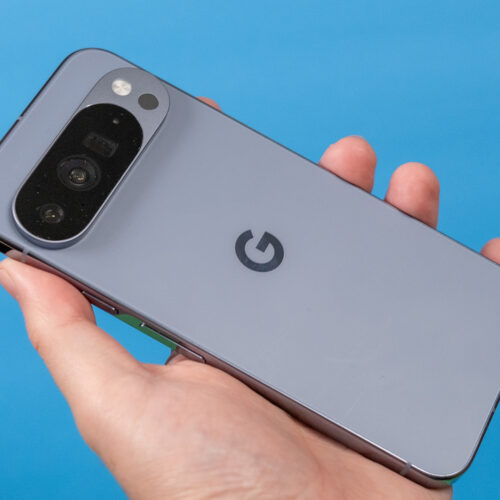
Despite being a vast repository of personal information, smartphones used to have little by way of security. That has thankfully changed, but companies like Cellebrite offer law enforcement tools that can bypass security on some devices. The company keeps the specifics quiet, but an anonymous individual recently logged in to a Cellebrite briefing and came away with a list of which of Google's Pixel phones are vulnerable to Cellebrite phone hacking.

This person, who goes by the handle rogueFed, posted screenshots from the recent Microsoft Teams meeting to the GrapheneOS forums (spotted by 404 Media). GrapheneOS is an Android-based operating system that can be installed on select phones, including Pixels. It ships with enhanced security features and no Google services. Because of its popularity among the security-conscious, Cellebrite apparently felt the need to include it in its matrix of Pixel phone support.

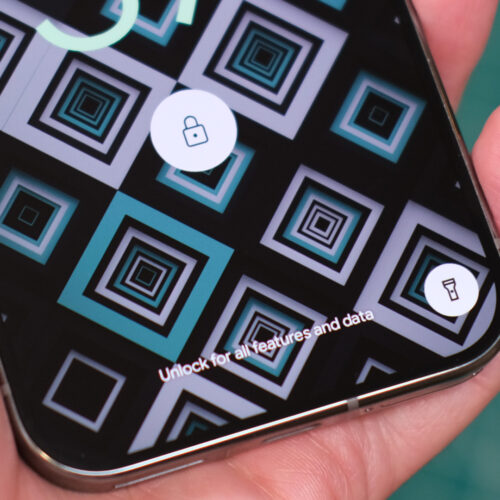
The screenshot includes data on the Pixel 6, Pixel 7, Pixel 8, and Pixel 9 family. It does not list the Pixel 10 series, which launched just a few months ago. The phone support is split up into three different conditions: before first unlock, after first unlock, and unlocked. The before first unlock (BFU) state means the phone has not been unlocked since restarting, so all data is encrypted. This is traditionally the most secure state for a phone. In the after first unlock (AFU) state, data extraction is easier. And naturally, an unlocked phone is open season on your data.

Read full article

Comments

© Ryan Whitwam

  • ✇Arstechnica
  • Android phones will soon reboot themselves after sitting unused for 3 days Ryan Whitwam
    A silent update rolling out to virtually all Android devices will make your phone more secure, and all you have to do is not touch it for a few days. The new feature implements auto-restart of a locked device, which will make your personal data harder to extract. It's coming as part of a Google Play Services update, though, so there's nothing you can do to speed along the process. Google is preparing to release a new update to Play Services (v25.14), which brings a raft of tweaks and improvement
     

Android phones will soon reboot themselves after sitting unused for 3 days

15 de Abril de 2025, 13:00

A silent update rolling out to virtually all Android devices will make your phone more secure, and all you have to do is not touch it for a few days. The new feature implements auto-restart of a locked device, which will make your personal data harder to extract. It's coming as part of a Google Play Services update, though, so there's nothing you can do to speed along the process.

Google is preparing to release a new update to Play Services (v25.14), which brings a raft of tweaks and improvements. First spotted by 9to5Google, the update was officially released on April 14, but as with all Play Services updates, it could take a week or more to reach all devices. When 25.14 arrives, Android devices will see a few minor improvements, including prettier settings screens, improved connection with cars and watches, and content previews when using Quick Share.

Most importantly, Play Services 25.14 adds a feature that Google describes thusly: "With this feature, your device automatically restarts if locked for 3 consecutive days."

Read full article

Comments

© Ryan Whitwam

❌
❌