In November 2024, supply chain attacks featured two key trends: attackers’ persistent use of “legitimate-first” package strategies and creative approaches like exploiting official documentation. Cryptocurrency remained the primary target through both credential theft and mining operations.Let’s delve into some of the most striking events of November:Dozens of Machines Infected: Year-Long NPM Supply Chain Attack Combines Crypto Mining and Data TheftA malicious NPM package, masquerading as a legit
In November 2024, supply chain attacks featured two key trends: attackers’ persistent use of “legitimate-first” package strategies and creative approaches like exploiting official documentation. Cryptocurrency remained the primary target through both credential theft and mining operations.
Let’s delve into some of the most striking events of November:
Dozens of Machines Infected: Year-Long NPM Supply Chain Attack Combines Crypto Mining and Data Theft
A malicious NPM package, masquerading as a legitimate XML-RPC implementation, operated for over a year — stealing data and mining cryptocurrency. Dozens of systems were affected. (Link to report).
xml-rpc attack flow
Malicious NPM Package Exploits React Native Documentation Example
An attacker published a malicious NPM package that mirrors an example from React Native’s official documentation, in an attempt to trick developers following the official guide. This highlights the need for careful package verification even when following official guides. (Link to report).
From React Native’s official documentationMalicious npm package mirroring example from React Native’s official documentation
Falling Stars
Two years after the discovery of StarJacking, an analysis of 21 package repositories reveals improved security measures against this threat — though the risk still persists in some repositories. (Link to report).
Example of PyPi ecosystem process — adding verification of the package metadata.
“aiocpa” Python Package Transforms From Legitimate Package to Crypto Thief
In November 2024, PyPI published an advisory about the aiocpa package, which was compromised when versions 0.1.13 and 0.1.14 introduced obfuscated malware designed to steal cryptocurrency credentials via Telegram. The attack was notable for its patience — the attacker maintained a legitimate package for months before adding malware, while keeping the GitHub repository clean. With thousands of downloads in its final month, aiocpa joins a growing trend where attackers establish legitimate packages before weaponizing them, in most cases to target cryptocurrency assets.
Our team will continue to hunt, squash attacks, and remove malicious packages in our effort to keep the open-source ecosystem safe.
I encourage you to stay up to date with the latest trends and tactics in software supply chain security by tuning into our future posts and learning how to defend against potential threats.
Dozens of Machines Infected: Year-Long NPM Supply Chain Attack Combines Crypto Mining and Data TheftThrough our continuous monitoring of software supply chain threats, the Checkmarx Research team identified a supply chain attack that has remained active for over a year. The package, @0xengine/xmlrpc, began its life as a “legitimate” XML-RPC implementation in October 2023, but strategically transformed into a malicious tool in later versions and has remained active through November of 2024. This
Dozens of Machines Infected: Year-Long NPM Supply Chain Attack Combines Crypto Mining and Data Theft
Through our continuous monitoring of software supply chain threats, the Checkmarx Research team identified a supply chain attack that has remained active for over a year. The package, @0xengine/xmlrpc, began its life as a “legitimate” XML-RPC implementation in October 2023, but strategically transformed into a malicious tool in later versions and has remained active through November of 2024. This discovery serves as a stark reminder that a package’s longevity and consistent maintenance history do not guarantee its safety. Whether initially malicious packages or legitimate ones becoming compromised through updates, the software supply chain requires constant vigilance — both during initial vetting and throughout a package’s lifecycle.
Key Findings
A malicious NPM package masquerading as an XML-RPC implementation has maintained an unusually long presence on the NPM registry from October 2023 to November 2024, receiving 16 updates during this period.
The package started as a “legitimate” XML-RPC implementation and strategically introduced malicious code in later versions.
The malware steals sensitive data (SSH keys, bash history, etc..) every 12 hours while mining cryptocurrency on infected systems. Data is exfiltrated through Dropbox and file.io.
The attack achieved distribution through multiple vectors: direct NPM installation and as a hidden dependency in a legitimate-looking repository.
Evasion techniques include system monitoring detection and activity-based mining
At the time of investigation, it appeared that up to 68 compromised systems were actively mining cryptocurrency through the attacker’s Monero wallet.
Package History and Evolution
The malicious package “@0xengine/xmlrpc” first appeared on the NPM registry on October 2nd, 2023, presenting itself as a pure JavaScript XML-RPC server and client implementation for Node.js.
What makes this package particularly interesting is its strategic evolution from legitimate to malicious code. The initial release (version 1.3.2) and its immediate follow-up appeared to be legitimate implementations of XML-RPC functionality. However, starting from version 1.3.4, the package underwent a significant transformation with the introduction of malicious code in the form of heavily obfuscated code within the “validator.js” file.
Part of the obfuscated code
Over its year-long presence on NPM, the package has received 16 updates, with the latest version (1.3.18) published on October 4th, 2024. This consistent update pattern helped maintain an appearance of legitimate maintenance while concealing the malicious functionality.
Distribution Strategy
Our research uncovered a calculated supply chain attack involving two distribution vectors. The first involves direct installation of @0xengine/xmlrpc from NPM. The second, more sophisticated approach, involves a GitHub repository named “yawpp” (hxxps[:]//github[.]com/hpc20235/yawpp), which presents itself as a WordPress posting tool.
The yawpp repository appears legitimate, offering functionality for WordPress credential checking and content posting. It requires @0xengine/xmlrpc as a dependency, claiming to use it for XML-RPC communication with WordPress sites. This dependency is automatically installed when users set up the yawpp tool through standard npm installation.
This strategy is particularly effective as it exploits the trust developers place in package dependencies, potentially leading to inadvertent installation of the malicious package through what appears to be a legitimate project dependency.
The combination of regular updates, seemingly legitimate functionality, and strategic dependency placement has contributed to the package’s unusual longevity in the NPM ecosystem, far exceeding the typical lifespan of malicious packages that are often detected and removed within days.
Attack Flow
The attack orchestrated through @0xengine/xmlrpc operates through a sophisticated multi-stage approach that combines cryptocurrency mining with data exfiltration capabilities. The malicious functionality, concealed within validator.js, remains dormant until executed through one of two vectors:
Direct package users execute any command with the ‘ — targets’ or ‘-t’ flag. This activation occurs when running the package’s validator functionality, which masquerades as an XML-RPC parameter validation feature.
Users installing the “yawpp” WordPress tool from GitHub automatically receive the malicious package as a dependency. The malware activates when running either of yawpp’s main scripts (checker.js or poster.js), as both require the ‘ — targets’ parameter for normal operation.
This implementation ensures the malware activates through legitimate-looking tool usage, making detection more difficult.
Initial Compromise
Once triggered, the malware begins gathering system information:
Deobfuscated version of the system information gathering code
Following the initial data collection phase, the malware deploys its cryptocurrency mining component with a particular focus on Linux systems. The deployment process involves downloading additional payloads from a Codeberg repository disguised as system authentication services. The mining operation utilizes XMRig to mine Monero cryptocurrency, directing all mining rewards to a predetermined wallet address while connecting to the mining pool.
Deobfuscated configuration revealing the attacker’s Codeberg repository URLs used to fetch mining components
These downloaded components include:
XMRig: The actual cryptocurrency mining software
xprintidle: Used to detect user activity
Xsession.sh: The main script that orchestrates the mining operation
The mining operation is configured with specific parameters targeting Monero:
Monero mining configuration found in the downloaded Xsession.sh script
At the time of our investigation, we observed 68 miners actively connected to this wallet address through the hashvault.pro mining pool, indicating a possible significant number of compromised systems actively mining cryptocurrency for the attacker.
Sophisticated Evasion Mechanisms
The malware implements an advanced process monitoring system to avoid detection. It maintains a list of monitoring tools and continuously checks for their presence.
Deobfuscated version of the process monitoring evasion logic found in Xsession.sh — checks for and terminates mining when system monitoring tools are detected
The malware also carefully monitors user activity through the xprintidle utility. It only initiates mining operations after a specified period of inactivity (default: 1 minute) and immediately suspends operations when user activity is detected. This behavior is controlled by the INACTIVITY_IN_MINS parameter.
Maintaining Persistence
To ensure long-term survival on infected systems, the malware establishes persistence through systemd, disguising itself as a legitimate session authentication service named “Xsession.auth”. This service is configured to automatically start with the system, ensuring the mining operation resumes after system reboots. The malware also implements a daily check-in mechanism, regularly sending system status updates and potentially receiving new commands or configurations.
Deobfuscated systemd service configuration from Xsession.sh used for maintaining persistence
Data Exfiltration Pipeline
The malware implements a comprehensive data collection and exfiltration system that operates continuously. Every 12 hours, it performs a systematic collection of sensitive system information through a “daily_tasks” function found in Xsession.sh:
During each collection cycle, the malware systematically gathers a wide range of sensitive data including:
SSH keys and configurations from ~/.ssh
Command history from ~/.bash_history
System information and configurations
Environment variables and user data
Network and IP information through ipinfo.io
The stolen data is exfiltrated through two channels. One, using the Dropbox API with hardcoded credentials.
Additionally, the malware employs file.io as a secondary exfiltration channel, using a bearer token for authentication and setting automatic file deletion after download to minimize detection risks.
Conclusion
This year-long campaign serves as a stark reminder of the critical importance of thoroughly vetting open-source projects before incorporation into any software development process. Projects can be malicious from the start, maintaining a long-term presence while hiding their true nature, or legitimate projects can later become compromised and introduce malicious code through updates.
This dual threat emphasizes why developers and organizations must remain vigilant not only during initial vetting but also in monitoring package updates, implementing robust security measures, and conducting regular audits of their dependencies to mitigate the risks associated with supply chain attacks.
As part of the Checkmarx Supply Chain Security solution, our research team continuously monitors suspicious activities in the open-source software ecosystem. We track and flag “signals” that may indicate foul play, including suspicious entry points, and promptly alert our customers to help protect them from potential threats.
Checkmarx One customers are protected from this attack.
October 2024 heralded a new chapter in supply chain security challenges, characterized by innovative attack techniques and cryptocurrency-focused threats. A groundbreaking entry point exploitation technique affecting multiple package ecosystems was unveiled, while the NPM ecosystem witnessed the first-ever use of Ethereum smart contracts for malware C2 infrastructure. The month also saw multiple sophisticated attacks on cryptocurrency wallets through PyPI packages and a notable compromise of the
October 2024 heralded a new chapter in supply chain security challenges, characterized by innovative attack techniques and cryptocurrency-focused threats. A groundbreaking entry point exploitation technique affecting multiple package ecosystems was unveiled, while the NPM ecosystem witnessed the first-ever use of Ethereum smart contracts for malware C2 infrastructure. The month also saw multiple sophisticated attacks on cryptocurrency wallets through PyPI packages and a notable compromise of the popular lottie-player package, despite 2FA protections, highlighting the increasing complexity of supply chain security threats.
Let’s delve into some of the most striking events of October:
This New Supply Chain Attack Technique Can Trojanize All Your CLI Commands
A new supply chain attack technique exploits entry points in various programming ecosystems, allowing attackers to trojanize CLI commands. This stealthy method poses risks to developers and enterprises, bypassing traditional security checks. (Link to report).
With 2FA Enabled: NPM Package lottie-player Taken Over by Attackers
NPM package lottie-player compromised via leaked automation token, bypassing 2FA. Malicious versions injected code to trick users into connecting crypto wallets. Swift response: safe version released, compromised versions unpublished. (Link to report).
Crypto-Stealing Code Lurking in Python Package Dependencies
A sophisticated cyber attack on PyPI targeted cryptocurrency wallets through malicious packages. The attack used deceptive strategies, distributed malicious code across dependencies, and only activated when specific functions were called, making detection challenging. (Link to report).
Cryptocurrency Enthusiasts Targeted in Multi-Vector Supply Chain Attack
A malicious PyPI package “cryptoaitools” targeted cryptocurrency enthusiasts through a multi-vector supply chain attack. It used deceptive GUI, multi-stage infection, and comprehensive data exfiltration to steal crypto-related information from Windows and macOS users. (Link to report).
Supply Chain Attack Using Ethereum Smart Contracts to Distribute Multi-Platform Malware
A sophisticated NPM supply chain attack uses Ethereum smart contracts for C2 distribution. The cross-platform malware, targeting popular testing packages, affects Windows, Linux, and macOS through Typosquatting and preinstall scripts. (Link to report)
Our team will continue to hunt, squash attacks, and remove malicious packages in our effort to keep the open-source ecosystem safe.
I encourage you to stay up to date with the latest trends and tactics in software supply chain security by tuning into our future posts and learning how to defend against potential threats.
As part of our ongoing security efforts, we continuously monitor and detect malicious packages within various software ecosystems. Recently, we uncovered a unique supply chain attack through the NPM package “jest-fet-mock,” which implements a different approach using Ethereum smart contracts for command-and-control operations. The package masquerades as a popular testing utility while distributing malware across Windows, Linux, and macOS platforms. This discovery represents a notable difference
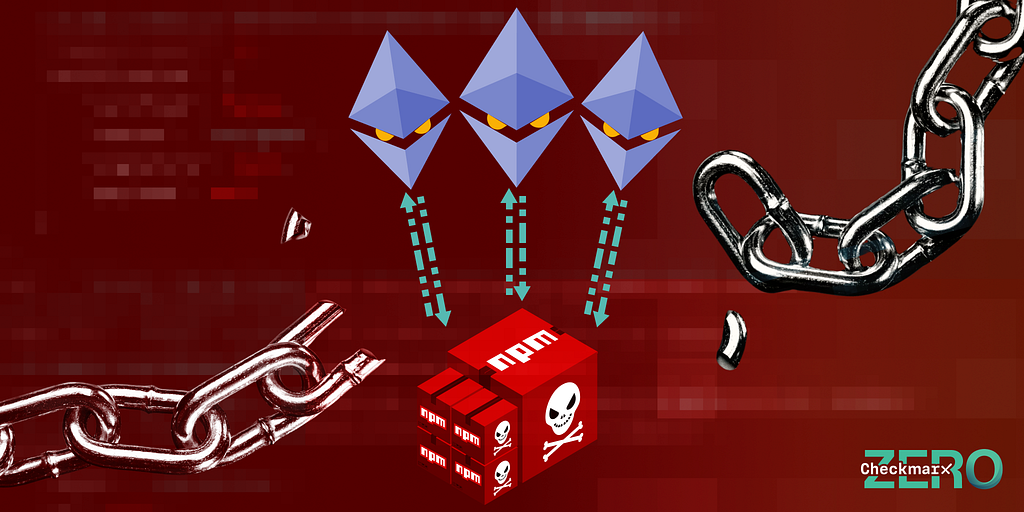
As part of our ongoing security efforts, we continuously monitor and detect malicious packages within various software ecosystems. Recently, we uncovered a unique supply chain attack through the NPM package “jest-fet-mock,” which implements a different approach using Ethereum smart contracts for command-and-control operations. The package masquerades as a popular testing utility while distributing malware across Windows, Linux, and macOS platforms. This discovery represents a notable difference in supply chain attack methodologies, combining blockchain technology with traditional attack vectors in a way not previously observed in npm. jest-fet-mock was the first package identified in a larger ongoing campaign targeting the npm ecosystem. Additional packages connected to this campaign were later reported by security firms Phylum and Socket.
Key Findings
First observed instance of malware utilizing Ethereum smart contracts for C2 server address distribution in the NPM ecosystem.
Typosquatting attack targeting developers by impersonating two legitimate, popular testing packages.
Cross-platform malware targeting Windows, Linux, and macOS development environments.
Uses NPM preinstall scripts to execute malicious code during package installation.
Performs info-stealing actions while establishing persistence mechanisms across infected systems.
The Art of Impersonation
The malicious package “jest-fet-mock”, published in mid-October, was designed to impersonate two legitimate and widely used JavaScript testing utilities.
The first, “fetch-mock-jest” (~200K weekly downloads), is a wrapper around fetch-mock that enables HTTP request mocking in Jest environments.
The second, “Jest-Fetch-Mock” (~1.3M weekly downloads), provides similar functionality through Jest’s native mocking capabilities.
Both legitimate packages are tools for testing HTTP requests in JavaScript applications. The attacker used a classic typosquatting technique by misspelling “fetch” as “fet” while maintaining the key terms “jest” and “mock”. Given that the legitimate packages are primarily used in development environments where developers typically have elevated system privileges, and are often integrated into CI/CD pipelines, we believe this attack specifically targets development infrastructure through the compromise of testing environments.
Attack Flow
Blockchain-Based Command & Control
Etherscan transaction details showing the smart contract’s getString method returning the C2 server address
The most distinctive aspect of this attack is how it leverages the Ethereum blockchain for its command-and-control infrastructure. When executed, the malware interacts with a smart contract at address “0xa1b40044EBc2794f207D45143Bd82a1B86156c6b”. Specifically, it calls the contract’s “getString” method, passing “0x52221c293a21D8CA7AFD01Ac6bFAC7175D590A84” as a parameter to retrieve its C2 server address.
By using the blockchain in this way, the attackers gain two key advantages: their infrastructure becomes virtually impossible to take down due to the blockchain’s immutable nature, and the decentralized architecture makes it extremely difficult to block these communications.
Understanding the Smart Contract Mechanism
Think of a smart contract on the Ethereum blockchain as a public bulletin board — anyone can read what’s posted, but only the owner has the ability to update it. The attackers in this case deployed such a contract, using it to store their C2 server address. Every time the malicious package is installed on a new system, it checks this bulletin board to find out where to download the actual malware. What makes this approach particularly effective is its flexibility. Instead of hardcoding server addresses in their malware, the attackers can simply update their smart contract whenever they need to point to a new server. This means that even if defenders successfully block one C2 server, the attackers can quickly switch to a new one by updating their contract, and all new infections will automatically connect to the new location.
Initial Execution
The attack chain begins during the npm package installation process through the preinstall script. This script determines the host operating system and constructs a platform-specific URL to download the appropriate payload. The malware then spawns a detached process, ensuring the malicious code continues running independently of the installation process.
Multi-Platform Malware
Our analysis revealed distinct malware variants designed for:
Windows (SHA-256: df67a118cacf68ffe5610e8acddbe38db9fb702b473c941f4ea0320943ef32ba),
Linux (SHA-256: 0801b24d2708b3f6195c8156d3661c027d678f5be064906db4fefe74e1a74b17),
and macOS (SHA-256: 3f4445eaf22cf236b5aeff5a5c24bf6dbc4c25dc926239b8732b351b09698653).
Notably, as of this writing, none of these files have been flagged as malicious by any security vendors on VirusTotal.
The malware variants demonstrated various capabilities including system reconnaissance, credential theft, and establishing persistence through platform-specific mechanisms — using AutoStart files in Linux and Launch Agent configuration (~/Library/LaunchAgents/com.user.startup.plist) in macOS.
Throughout their operation, all variants maintain consistent communication with the attacker’s C2 server, showcasing a coordinated cross-platform attack strategy aimed at compromising development environments.
Impact
By targeting development tools and testing utilities, attackers gain potential access to not only individual developer machines but also CI/CD pipelines and build systems. The use of blockchain technology for C2 infrastructure represents a different approach to supply chain attacks in the npm ecosystem, making the attack infrastructure more resilient to takedown attempts while complicating detection efforts.
The cross-platform nature of the malware, coupled with the fact that no security vendors have flagged these files as malicious on VirusTotal at the time of writing, makes this an actively dangerous threat to development environments.
Conclusion
The discovery of “jest-fet-mock” reveals how threat actors are finding different ways to compromise the software supply chain. This case serves as an important reminder for development teams to implement strict security controls around package management and carefully verify the authenticity of testing utilities, especially those requiring elevated privileges.
As part of the Checkmarx Supply Chain Security solution, our research team continuously monitors suspicious activities in the open-source software ecosystem. We track and flag “signals” that may indicate foul play, including suspicious entry points, and promptly alert our customers to help protect them from potential threats.
Cryptocurrency enthusiasts have been the target of another sophisticated and invasive malware campaign. This campaign was orchestrated through multiple attack vectors, including a malicious Python package named “cryptoaitools” on PyPI and deceptive GitHub repositories. This multi-stage malware, masquerading as a suite of cryptocurrency trading tools, aims to steal a wide range of sensitive data and drain victims’ crypto wallets.Key FindingsA malicious package “cryptoaitools” was uploaded to PyPI
Cryptocurrency enthusiasts have been the target of another sophisticated and invasive malware campaign. This campaign was orchestrated through multiple attack vectors, including a malicious Python package named “cryptoaitools” on PyPI and deceptive GitHub repositories. This multi-stage malware, masquerading as a suite of cryptocurrency trading tools, aims to steal a wide range of sensitive data and drain victims’ crypto wallets.
Key Findings
A malicious package “cryptoaitools” was uploaded to PyPI, impersonating legitimate cryptocurrency trading tools, complete with a seemingly functional trading bot implementation.
The malware activated automatically upon installation, targeting both Windows and macOS operating systems.
The attacker also distributed the malware through GitHub repositories, expanding the attack surface.
A deceptive graphical user interface (GUI) was used to distract victims while the malware performed its malicious activities in the background.
The malware employed a multi-stage infection process, utilizing a fake website that appeared legitimate to host and deliver second-stage payloads.
The malware displayed extensive data theft capabilities focused on cryptocurrency-related information, including wallet data, browser data, and sensitive system files.
Attack Flow
Initial Infection Vector
The CryptoAITools malware campaign began with the upload of a malicious package named “cryptoaitools” to PyPI. This package contained code for a seemingly legitimate cryptocurrency trading bot, including functions for automated trading on DEXs, price monitoring, and liquidity management. This legitimate-looking code served to disguise the malware’s true nature.
The malware activates automatically upon installation through the package’s __init__.py file. This file imports and executes the run_base() function from base.py:
__init__.py file
The run_base() function determines the victim’s operating system and executes the appropriate malware variant:
The malware employs platform-specific helper functions to execute different versions for Windows and macOS systems. While the Windows version (basec_helper.py) is less obfuscated, the macOS variant (base_helper.py) is more heavily disguised. Despite these differences, both versions perform similar malicious activities, including data theft and cryptocurrency-related operations. These helper functions are responsible for downloading and executing additional malicious payloads, thus initiating subsequent stages of the attack.
Multi-Stage Infection Process
The CryptoAITools malware employs a sophisticated multi-stage infection process, leveraging a fake website to deliver its secondary payloads.
After the initial infection via the PyPI package, the malware’s second stage begins with the execution of base_helper.py (for macOS) or basec_helper.py (for Windows). These scripts are responsible for downloading additional malicious components from a deceptive website.
The malware uses a domain that appears legitimate: https://coinsw.app. This domain hosts a convincing appearance of a cryptocurrency trading bot service, complete with fake user reviews, subscriber counts, and detailed descriptions of AI-driven trading features. This elaborate disguise attempts to add credibility if a curious user investigates the domain.
The helper script decodes a base64-encoded URL and a list of filenames:
It then downloads these files from the fake website.
These downloaded files constitute the secondary payloads, expanding the malware’s capabilities. Notable among these is MHTBot.py, which is executed immediately after download (For MAC a different set of files are downloaded and the main.py file is then executed immediately after download)
This multi-stage approach allows the malware to:
Maintain a small initial footprint in the PyPI package
Evade detection during the initial installation
Flexibly update and expand its capabilities post-infection
Use a legitimate-looking website as a hosting platform for malicious payloads
Deceptive GUI
A unique aspect of this attack, compared to many malicious packages we have seen in the past, is that the CryptoAITools malware incorporates a graphical user interface (GUI) as a key component of its social engineering strategy. This GUI appears the moment the second-stage malware is activated and presents itself as an “AI Bot Starter” application. It is designed to distract users and collect sensitive information while the malware operates covertly. The interface’s role is straightforward: it begins by prompting users to create a password “to start using the bot securely.” Once a new password is added, a fake setup process is displayed, featuring a progress bar and loading animations. While users are engaged and focused on this seemingly legitimate interface and its fake setup process, the malware continues its malicious operations in the background, including data theft and system manipulation.
Data Heist
The CryptoAITools malware conducts an extensive data theft operation, targeting a wide range of sensitive information on the infected system. The primary goal is to gather any data that could aid the attacker in stealing cryptocurrency assets. The malware’s data collection capabilities are implemented across several modules, each focusing on specific types of data or system areas.
Types of Data Targeted
Cryptocurrency wallet data from various applications (Bitcoin, Ethereum, Exodus, Atomic, Electrum, etc.)
Browser data: saved passwords, cookies, and browsing history
Data from a wide range of browser extensions related to cryptocurrency
Sensitive system files, including SSH keys and configuration files
Files from user directories (Downloads, Documents, Desktop) containing keywords related to cryptocurrencies, passwords, and financial information
Telegram application data, including configuration files and message databases
System terminal history
Data from Apple Notes and Stickies applications on macOS systems
Data Exfiltration Method
The malware’s exfiltration process begins with the collected data stored in a hidden .temp directory in the user’s home folder. For each file, the exfiltration script changes the file extension to ‘.minecraft’. It then uploads the file to gofile.io using their API. Upon successful upload, gofile.io returns a download link, which is then sent to a Telegram bot of the attacker. After transmission, the local copy of the exfiltrated file is deleted. The process also includes error handling to prevent disruptions to the malware’s operation.
The Attacker
Our continued investigation into this campaign revealed the attacker was employing multiple infection vectors and social engineering tactics. The attack is not limited to the malicious Python package on PyPI, but extends to other platforms and methods:
PyPI Package: The initial discovery of the malicious “cryptoaitools” package on PyPI.
GitHub Repository: The attacker also distributes the malware through a GitHub repository named “Meme-Token-Hunter-Bot”. This repository contains similar malicious code, potentially infecting users who clone and run the code directly from GitHub.
Fake Website: The attacker operates a fake website at https://coinsw.app/, which mimics a legitimate cryptocurrency trading bot service.
Telegram Channel: The website’s “Buy” page leads to a Telegram chat named “Pancakeswap prediction bot”, where the attacker directly engages with potential victims.
In the Telegram chat, the attacker employs various tactics to lure potential victims. They offer “bot support” to establish credibility and trust. To entice users, they promote their GitHub repository as hosting their “most powerful bot,” appealing to those seeking advanced trading tools. The attacker then proposes an attractive offer: a free trial period followed by a monthly subscription model, making the proposition seem both risk-free and professional. To further personalize the experience and maintain ongoing engagement, they offer customized configuration options and continuous support, which creates a facade of a legitimate, customer-focused service.
This multi-platform approach allows the attacker to cast a wide net, potentially reaching victims who might be cautious about one platform but trust another.
Analysis of the GitHub repository interactions suggests that the scope of the attack may be larger than initially thought. Users who have starred or forked the malicious repository could potentially be victims, though further investigation would be needed to confirm this.
Impact
The CryptoAITools malware campaign has severe consequences for victims and the broader cryptocurrency community. Individuals face immediate financial losses through cryptocurrency theft, along with long-term risks of identity theft and privacy breaches due to extensive data exfiltration.
The true scope of the attack may be larger than initially thought, particularly given the GitHub repository interactions. Users who starred or forked the malicious “Meme-Token-Hunter-Bot” repository are potential victims, significantly expanding the attack’s reach.
On a larger scale, this attack erodes trust in cryptocurrency tools and platforms, potentially slowing adoption and innovation in the cryptocurrency space.
Conclusion
This cryptobot malware serves as a potent reminder that the stakes — and the risks — are high in the world of cryptocurrency. As digital assets continue to gain value and popularity, we can expect to see more sophisticated threats targeting this space.
As part of the Checkmarx Supply Chain Security solution, our research team continuously monitors suspicious activities in the open-source software ecosystem. We track and flag “signals” that may indicate foul play, including suspicious entry points, and promptly alert our customers to help protect them from potential threats.
On September 22nd, a new PyPI user orchestrated a wide-ranging attack by uploading multiple packages within a short timeframe. These packages, bearing names like “AtomicDecoderss,” “TrustDecoderss,” “WalletDecoderss,” and “ExodusDecodes,” masqueraded as legitimate tools for decoding and managing data from an array of popular cryptocurrency wallets.The attack targeted users of Atomic, Trust Wallet, Metamask, Ronin, TronLink, Exodus, and other prominent wallets in the crypto ecosystem. Presenting
On September 22nd, a new PyPI user orchestrated a wide-ranging attack by uploading multiple packages within a short timeframe. These packages, bearing names like “AtomicDecoderss,” “TrustDecoderss,” “WalletDecoderss,” and “ExodusDecodes,” masqueraded as legitimate tools for decoding and managing data from an array of popular cryptocurrency wallets.
The attack targeted users of Atomic, Trust Wallet, Metamask, Ronin, TronLink, Exodus, and other prominent wallets in the crypto ecosystem. Presenting themselves as utilities for extracting mnemonic phrases and decrypting wallet data, these packages appeared to offer valuable functionality for cryptocurrency users engaged in wallet recovery or management. However, behind the scenes, these packages would fetch malicious code from dependencies to covertly steal sensitive cryptocurrency wallet data, including private keys and mnemonic phrases, potentially granting the attackers full access to victims’ funds.
This strategic use of dependencies allowed the main packages to appear harmless while harboring malicious intent in their underlying components.
Key Findings
On September 22nd, multiple packages were published to the PyPI platform, targeting a wide range of crypto wallets including Atomic, Trust Wallet, Metamask, Ronin, TronLink, and Exodus.
The malicious packages distributed their code across dependencies, making detection more challenging. This approach separated the seemingly benign main package from its harmful components.
Unlike most malicious packages we’ve seen, these packages activate only when specific functions are called, not automatically upon installation.
The malware’s capabilities include theft of private keys, mnemonic phrases, and other sensitive wallet data.
The attack exploits the trust in open-source communities and the apparent utility of wallet management tools, potentially affecting a broad spectrum of cryptocurrency users.
A Web of Deception
The attacker behind this campaign implemented a multi-faceted strategy to disguise their intent and maximize the download count of their packages. This approach combined several deceptive techniques, each designed to exploit different aspects of user trust and package evaluation practices.
Deceptive Package Names and READMEs
Package names were carefully crafted to appeal to developers and users working with various wallet types. Names like “AtomicDecoderss,” “TrustDecoderss,” and “ExodusDecodes” mimicked legitimate tools.
Each package was accompanied by a professionally crafted README file, further enhancing its apparent legitimacy. These READMEs included detailed installation instructions, usage examples, and in one case, even “best practices” for virtual environments.
The attacker went a step further in their deception by including fake package statistics in the README files. At first glance, the packages displayed impressive stats, making them appear to be part of very popular and well-maintained projects. However, these were merely images creating an illusion of popularity and active development, further encouraging users to trust and download the package.
This level of detail and apparent popularity not only made the packages seem genuine but also significantly increased the likelihood of users implementing and running the malicious code.
Distributed Functionality Across Dependencies
Functionality was distributed across multiple dependencies within the packages themselves. Six of the malicious packages relied on a dependency called “cipherbcryptors,” which contained the core malicious code. Some packages further obfuscated their functionality by utilizing an additional dependency, “ccl_leveldbases.” This approach served dual purposes.
Firstly, it made the main packages appear more innocuous upon initial inspection, as they themselves contained little to no overtly malicious code.
Secondly, it significantly complicated the analysis process for security researchers and vigilant users. The full scope of each package’s capabilities wasn’t immediately apparent, requiring a deeper dive into the dependency chain to uncover the true nature of the code.
Obfuscation of Malicious Code
Within the “cipherbcryptors” package, where the heart of the malicious functionality resided, the code was heavily obfuscated. This obfuscation makes it challenging for automated security tools and human reviewers alike to quickly identify the package’s true intent.
Original obfuscated malicious function within the “cipherbcryptors” packageAfter deobfuscation — malicious function within the “cipherbcryptors” package
Furthermore, the attacker employed an additional layer of security by not hardcoding the address of their command and control server within any of the packages. Instead, they used external resources to retrieve this information dynamically.
This technique not only makes static analysis of the code more difficult but also provides the attackers with the flexibility to change their infrastructure without needing to update the packages themselves.
By combining these various deceptive techniques — from package naming and detailed documentation to false popularity metrics and code obfuscation — the attacker created a sophisticated web of deception. This multi-layered approach significantly increased the chances of the malicious packages being downloaded and used, all while making detection and analysis more challenging.
Attack Flow
The execution of this attack diverged from the typical pattern seen in malicious packages. Rather than triggering malicious actions immediately upon installation, these packages lay dormant until specific functions were called. This approach significantly reduced the chances of detection by security tools that scan packages at installation time.
When a user attempted to use one of the advertised functions, the malicious code would activate. The process typically began with the package attempting to access the user’s cryptocurrency wallet data. For different wallet types, this involved targeting specific file locations or data structures known to contain sensitive information.
Once the wallet data was accessed, the malware would attempt to extract critical information such as private keys, mnemonic phrases, and potentially other sensitive data like transaction histories or wallet balances. This stolen data would then be prepared for exfiltration.
The exfiltration process involved encoding the stolen data and sending it to a remote server controlled by the attacker.
Impact
The consequences for victims could be severe and far-reaching. The most immediate and obvious impact is the potential for financial losses. With access to private keys and mnemonic phrases, attackers can swiftly drain cryptocurrency wallets. The irreversible nature of blockchain transactions means that once funds are stolen, recovery is nearly impossible. Beyond immediate financial theft, compromised wallet data can lead to ongoing vulnerability, as attackers may monitor and exploit the wallet over time.
The packages’ ability to fetch external code adds another layer of risk. This feature allows attackers to dynamically update and expand their malicious capabilities without updating the package itself. As a result, the impact could extend far beyond the initial theft, potentially introducing new threats or targeting additional assets over time.
Conclusion
This sophisticated supply chain attack on the Python ecosystem serves as another stark reminder of the ever-evolving threats in the open-source world. The cryptocurrency space, in particular, continues to be a prime target, with attackers constantly devising new and innovative methods to compromise valuable digital assets. This incident underscores the critical need for ongoing vigilance of the entire open-source community to remain alert and proactive in identifying and mitigating such threats. The attack’s complexity — from its deceptive packaging to its dynamic malicious capabilities and use of malicious dependencies — highlights the importance of comprehensive security measures and continuous monitoring.
As part of the Checkmarx Supply Chain Security solution, our research team continuously monitors suspicious activities in the open-source software ecosystem. We track and flag “signals” that may indicate foul play and promptly alert our customers to help protect them.
Checkmarx One customers are protected from this attack.

 Entrar