There is a certain irony in watching a statute designed to prevent clandestine eavesdropping on telephone calls become one of the most aggressively deployed tools against ordinary website functionality. The federal Wiretap Act—codified as part of the Electronic Communications Privacy Act (“ECPA”), 18 U.S.C. §§ 2510–2522—was never intended to regulate marketing pixels, session replay scripts,..
The post From Analytics to “Interception”: How Website Tracking Became a Wiretap Problem—and What Comp
There is a certain irony in watching a statute designed to prevent clandestine eavesdropping on telephone calls become one of the most aggressively deployed tools against ordinary website functionality. The federal Wiretap Act—codified as part of the Electronic Communications Privacy Act (“ECPA”), 18 U.S.C. §§ 2510–2522—was never intended to regulate marketing pixels, session replay scripts,..
The post Hijacking the Soundboard: Critical 9.8 RCE Flaws Hit Ubiquiti UniFi Play Audio appeared first on Daily CyberSecurity.
Related posts:
WiFi Hijack: Hikvision Patches Command Injection in DS-3WAP Access Points
Total Takeover: Critical Zyxel Flaw (CVSS 9.8) Exposes Routers to Remote Command Injection
Exploited in the Wild: Critical 9.3 CVSS Flaw Turns Tianxin Systems into Hacker Gateways
The EU's Cyber Resilience Act (Regulation 2024/2847) shifts cybersecurity responsibility upstream. Explore the March 2026 guidance on secure-by-design requirements, software bills of materials (SBOM), and the impact on U.S. manufacturers.
The post The EU CRA – Treating Cybersecurity as Product Liability appeared first on Security Boulevard.
The EU's Cyber Resilience Act (Regulation 2024/2847) shifts cybersecurity responsibility upstream. Explore the March 2026 guidance on secure-by-design requirements, software bills of materials (SBOM), and the impact on U.S. manufacturers.
Para conseguir concretizar seus planos ardilosos, os desenvolvedores de malware para Android precisam enfrentar vários desafios sucessivos: enganar os usuários para invadir o smartphone, burlar os softwares de segurança, convencer as vítimas a conceder várias permissões do sistema, manter a distância de otimizadores de bateria integrados que consomem muitos recursos e, depois de tudo isso, ter a certeza de que o malware realmente gera lucro. Os criadores do BeatBanker, uma campanha de malware ba
Para conseguir concretizar seus planos ardilosos, os desenvolvedores de malware para Android precisam enfrentar vários desafios sucessivos: enganar os usuários para invadir o smartphone, burlar os softwares de segurança, convencer as vítimas a conceder várias permissões do sistema, manter a distância de otimizadores de bateria integrados que consomem muitos recursos e, depois de tudo isso, ter a certeza de que o malware realmente gera lucro. Os criadores do BeatBanker, uma campanha de malware baseado em‑Android descoberta recentemente por nossos especialistas, desenvolveram algo novo para cada uma dessas etapas. O ataque é voltado, por enquanto, para usuários brasileiros, mas as ambições dos desenvolvedores quase certamente motivará uma expansão internacional, então, vale a pena permanecer em alerta e estudar os truques do agente da ameaça. É possível encontrar uma análise técnica completa do malware na Securelist.
Como o BeatBanker se infiltra em um smartphone
O malware é distribuído por páginas de phishing especialmente criadas que imitam a Google Play Store. Uma página facilmente confundida com o Marketplace oficial convida os usuários a baixar um aplicativo aparentemente útil. Em uma campanha, o trojan se disfarçou como o aplicativo de serviços do governo brasileiro, o INSS Reembolso. Em outra, ele se apresentava como um aplicativo da Starlink.
O site malicioso cupomgratisfood{.}shop faz um excelente trabalho ao imitar uma loja de aplicativos. Não está claro por que o aplicativo INSS Reembolso falso aparece todas as três vezes. Para transparecer mais credibilidade, talvez?!
A instalação ocorre em várias etapas para evitar a solicitação de muitas permissões ao mesmo tempo e para acalmar ainda mais a vítima. Depois que o primeiro aplicativo é baixado e iniciado, ele exibe uma interface que também se assemelha ao Google Play e simula uma atualização para o aplicativo falso, ao solicitar a permissão do usuário para instalar aplicativos, algo que não parece fora do comum no contexto. Se essa permissão for concedida, o malware baixará módulos maliciosos adicionais no smartphone.
Após a instalação, o trojan simula uma atualização do aplicativo chamariz via Google Play ao solicitar permissão para instalar aplicativos enquanto baixa módulos maliciosos adicionais no processo
Todos os componentes do trojan são criptografados. Antes de descriptografar e prosseguir para os próximos estágios da infecção, ele verifica se o smartphone é real e se ele está no país de destino. O BeatBanker encerra imediatamente o próprio processo se encontrar discrepâncias ou detectar que está sendo executado em ambientes emulados ou de análise. Isso complica a análise dinâmica do malware. Aliás, o falso downloader de atualizações injeta módulos diretamente na RAM para evitar a criação de arquivos no smartphone que seriam visíveis ao software de segurança.
Todos esses truques não são novidade e são frequentemente usados em malwares complexos para computadores desktop. No entanto, para smartphones, essa sofisticação ainda é uma raridade, e nem todas as ferramentas de segurança conseguirão detectar isso. Usuários de produtos da Kaspersky estão protegidos contra essa ameaça.
Reprodução de áudio como um escudo
Uma vez estabelecido no smartphone, o BeatBanker baixa um módulo para minerar a criptomoeda Monero. Os autores estavam muito preocupados com a possibilidade dos sistemas agressivos de otimização de bateria do smartphone desligarem o minerador, então eles criaram um truque: tocar um som quase inaudível o tempo todo. Os sistemas de controle de consumo de energia normalmente poupam os aplicativos que estão reproduzindo áudio ou vídeo para evitar cortar a música de fundo ou os players de podcast. Dessa forma, o malware pode ser executado continuamente. Além disso, ele exibe uma notificação persistente na barra de status para solicitar ao usuário que mantenha o telefone ligado para uma atualização do sistema.
Exemplo de uma notificação de atualização persistente do sistema de outro aplicativo malicioso disfarçado como um aplicativo da Starlink
Controle via Google
Para gerenciar o trojan, os autores utilizam o Firebase Cloud Messaging (FCM) legítimo do Google, um sistema para receber notificações e enviar dados de um smartphone. Esse recurso está disponível para todos os aplicativos e é o método mais popular para enviar e receber dados. Graças ao FCM, os invasores podem monitorar o status do dispositivo e alterar as configurações de acordo com suas necessidades.
Não acontecerá nada durante um tempo, depois que o malware for instalado, os invasores esperam pacientemente. Então, eles acionam o minerador, mas com o cuidado de reduzir a intensidade, se o telefone superaquecer, a bateria começar a descarregar ou o proprietário estiver usando o dispositivo. Tudo isso é feito via FCM.
Roubo e espionagem
Além do minerador de criptomoedas, o BeatBanker instala módulos extras para espionar o usuário e realizar o roubo no momento certo. O módulo de spyware solicita a permissão dos Serviços de Acessibilidade, e se ela for concedida, o monitoramento de tudo o que estiver acontecendo no smartphone começa.
Se o proprietário abrir o aplicativo Binance ou Trust Wallet para enviar USDT, o malware sobrepõe uma tela falsa na parte superior da interface da carteira ao trocar efetivamente o endereço do destinatário pelo seu próprio endereço. Todas as transferências vão para os golpistas.
O trojan possui um sistema de controle remoto avançado e é capaz de executar muitos outros comandos:
Interceptação de códigos únicos do Google Autenticador
Gravação de áudio do microfone
Streaming da tela em tempo real
Monitoramento da área de transferência e interceptação de pressionamentos de tecla
Envio de mensagens SMS
Simulação de toques em áreas específicas da tela e entrada de texto de acordo com um script enviado pelo invasor e muito mais
Tudo isso torna possível roubar a vítima quando ela usa qualquer outro serviço bancário ou de pagamento, não apenas os pagamentos de criptomoedas.
Às vezes, as vítimas são infectadas com um módulo diferente para espionagem e controle remoto por smartphone, o trojan de acesso remoto BTMOB. Seus recursos maliciosos são ainda mais amplos, incluindo:
Aquisição automática de determinadas permissões no Android 13 a 15
Rastreamento contínuo de geolocalização
Acesso às câmeras frontal e traseira
Obtenção de códigos PIN e senhas para desbloqueio da tela
Captura da digitação do teclado
Como se proteger contra o BeatBanker
Os criminosos virtuais estão constantemente refinando seus ataques e criando novas soluções como formas de lucrar com as vítimas. Apesar disso, é possível se proteger seguindo algumas precauções simples:
Baixe aplicativos somente de fontes oficiais, como o Google Play ou a loja de aplicativos pré-instalada pelo fornecedor. Se encontrar um aplicativo ao pesquisar na Internet, não o abra por meio de um link do navegador, em vez disso, acesse o aplicativo Google Play ou outra loja consolidada em seu smartphone e procure por ele lá. Enquanto estiver fazendo isso, verifique o número de downloads, o histórico do aplicativo, as classificações e os comentários. Evite aplicativos novos, aplicativos com classificações baixas e aqueles com um pequeno número de downloads.
Verifique todas as permissões concedidas. Não conceda permissões sem a certeza do que elas fazem ou por que esse aplicativo específico as requer. Tenha muito cuidado com permissões como Instalar aplicativos desconhecidos, Acessibilidade, Superusuário e Exibir sobre outros aplicativos. Escrevemos sobre isso em detalhes em um artigo separado.
Equipe seu dispositivo com uma solução antimalware abrangente. Naturalmente, recomendamos o Kaspersky for Android. Os usuários dos produtos Kaspersky estão protegidos contra o BeatBanker, detectado com os veredictos HEUR:Trojan-Dropper.AndroidOS.BeatBanker e HEUR:Trojan-Dropper.AndroidOS.Banker.*.
Ameaças aos usuários do Android estão aumentando bastante ultimamente. Confira nossas outras postagens sobre os ataques Android mais relevantes e difundidos, além das dicas para manter você e seus entes queridos seguros:
Starting from the third quarter of 2025, we have updated our statistical methodology based on the Kaspersky Security Network. These changes affect all sections of the report except for the installation package statistics, which remain unchanged.
To illustrate trends between reporting periods, we have recalculated the previous year’s data; consequently, these figures may differ significantly from previously published numbers. All subsequent reports will be generated using this new methodology, en
Starting from the third quarter of 2025, we have updated our statistical methodology based on the Kaspersky Security Network. These changes affect all sections of the report except for the installation package statistics, which remain unchanged.
To illustrate trends between reporting periods, we have recalculated the previous year’s data; consequently, these figures may differ significantly from previously published numbers. All subsequent reports will be generated using this new methodology, ensuring accurate data comparisons with the findings presented in this article.
Kaspersky Security Network (KSN) is a global network for analyzing anonymized threat intelligence, voluntarily shared by Kaspersky users. The statistics in this report are based on KSN data unless explicitly stated otherwise.
The year in figures
According to Kaspersky Security Network, in 2025:
Over 14 million attacks involving malware, adware or unwanted mobile software were blocked.
Adware remained the most prevalent mobile threat, accounting for 62% of all detections.
Over 815 thousand malicious installation packages were detected, including 255 thousand mobile banking Trojans.
The year’s highlights
In 2025, cybercriminals launched an average of approximately 1.17 million attacks per month against mobile devices using malicious, advertising, or unwanted software. In total, Kaspersky solutions blocked 14,059,465 attacks throughout the year.
Attacks on Kaspersky mobile users in 2025 (download)
Beyond the malware mentioned in previous quarterly reports, 2025 saw the discovery of several other notable Trojans. Among these, in Q4 we uncovered the Keenadu preinstalled backdoor. This malware is integrated into device firmware during the manufacturing stage. The malicious code is injected into libandroid_runtime.so – a core library for the Android Java runtime environment – allowing a copy of the backdoor to enter the address space of every app running on the device. Depending on the specific app, the malware can then perform actions such as inflating ad views, displaying banners on behalf of other apps, or hijacking search queries. The functionality of Keenadu is virtually unlimited, as its malicious modules are downloaded dynamically and can be updated remotely.
Cybersecurity researchers also identified the Kimwolf IoT botnet, which specifically targets Android TV boxes. Infected devices are capable of launching DDoS attacks, operating as reverse proxies, and executing malicious commands via a reverse shell. Subsequent analysis revealed that Kimwolf’s reverse proxy functionality was being leveraged by proxy providers to use compromised home devices as residential proxies.
Another notable discovery in 2025 was the LunaSpy Trojan.
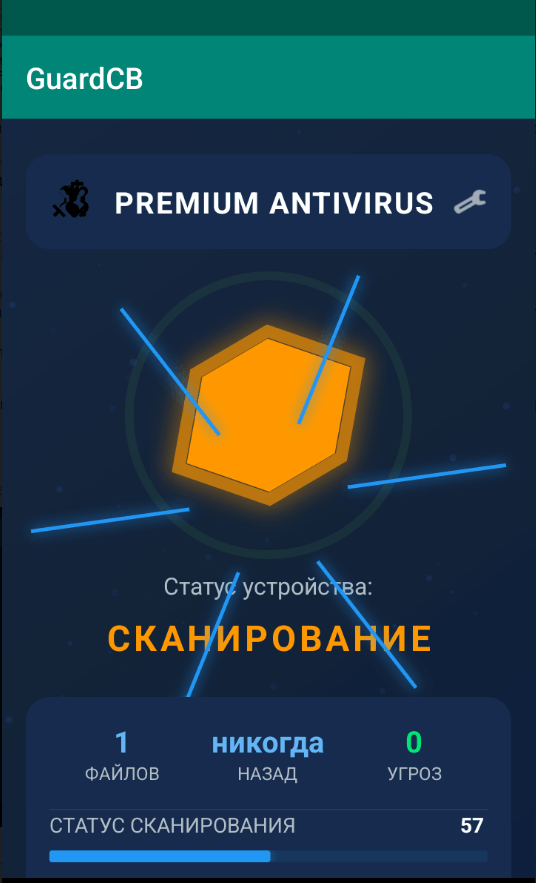
LunaSpy Trojan, distributed under the guise of an antivirus app
Disguised as antivirus software, this spyware exfiltrates browser passwords, messaging app credentials, SMS messages, and call logs. Furthermore, it is capable of recording audio via the device’s microphone and capturing video through the camera. This threat primarily targeted users in Russia.
Mobile threat statistics
815,735 new unique installation packages were observed in 2025, showing a decrease compared to the previous year. While the decline in 2024 was less pronounced, this past year saw the figure drop by nearly one-third.
Detected Android-specific malware and unwanted software installation packages in 2022–2025 (download)
The overall decrease in detected packages is primarily due to a reduction in apps categorized as not-a-virus. Conversely, the number of Trojans has increased significantly, a trend clearly reflected in the distribution data below.
Detected packages by type
Distribution* of detected mobile software by type, 2024–2025 (download)
* The data for the previous year may differ from previously published data due to some verdicts being retrospectively revised.
A significant increase in Trojan-Banker and Trojan-Spy apps was accompanied by a decline in AdWare and RiskTool files. The most prevalent banking Trojans were Mamont (accounting for 49.8% of apps) and Creduz (22.5%). Leading the persistent adware category were MobiDash (39%), Adlo (27%), and HiddenAd (20%).
Share* of users attacked by each type of malware or unwanted software out of all users of Kaspersky mobile solutions attacked in 2024–2025 (download)
* The total may exceed 100% if the same users encountered multiple attack types.
Trojan-Banker malware saw a significant surge in 2025, not only in terms of unique file counts but also in the total number of attacks. Nevertheless, this category ranked fourth overall, trailing far behind the Trojan file category, which was dominated by various modifications of Triada and Fakemoney.
TOP 20 types of mobile malware
Note that the malware rankings below exclude riskware and potentially unwanted apps, such as RiskTool and adware.
Verdict
% 2024*
% 2025*
Difference in p.p.
Change in ranking
Trojan.AndroidOS.Triada.fe
0.04
9.84
+9.80
Trojan.AndroidOS.Triada.gn
2.94
8.14
+5.21
+6
Trojan.AndroidOS.Fakemoney.v
7.46
7.97
+0.51
+1
DangerousObject.Multi.Generic
7.73
5.83
–1.91
–2
Trojan.AndroidOS.Triada.ii
0.00
5.25
+5.25
Trojan-Banker.AndroidOS.Mamont.da
0.10
4.12
+4.02
Trojan.AndroidOS.Triada.ga
10.56
3.75
–6.81
–6
Trojan-Banker.AndroidOS.Mamont.db
0.01
3.53
+3.51
Backdoor.AndroidOS.Triada.z
0.00
2.79
+2.79
Trojan-Banker.AndroidOS.Coper.c
0.81
2.54
+1.72
+35
Trojan-Clicker.AndroidOS.Agent.bh
0.34
2.48
+2.14
+74
Trojan-Dropper.Linux.Agent.gen
1.82
2.37
+0.55
+4
Trojan.AndroidOS.Boogr.gsh
5.41
2.06
–3.35
–8
DangerousObject.AndroidOS.GenericML
2.42
1.97
–0.45
–3
Trojan.AndroidOS.Triada.gs
3.69
1.93
–1.76
–9
Trojan-Downloader.AndroidOS.Agent.no
0.00
1.87
+1.87
Trojan.AndroidOS.Triada.hf
0.00
1.75
+1.75
Trojan-Banker.AndroidOS.Mamont.bc
1.13
1.65
+0.51
+8
Trojan.AndroidOS.Generic.
2.13
1.47
–0.66
–6
Trojan.AndroidOS.Triada.hy
0.00
1.44
+1.44
* Unique users who encountered this malware as a percentage of all attacked users of Kaspersky mobile solutions.
The list is largely dominated by the Triada family, which is distributed via malicious modifications of popular messaging apps. Another infection vector involves tricking victims into installing an official messaging app within a “customized virtual environment” that supposedly offers enhanced configuration options. Fakemoney scam applications, which promise fraudulent investment opportunities or fake payouts, continue to target users frequently, ranking third in our statistics. Meanwhile, the Mamont banking Trojan variants occupy the 6th, 8th, and 18th positions by number of attacks. The Triada backdoor preinstalled in the firmware of certain devices reached the 9th spot.
Region-specific malware
This section describes malware families whose attack campaigns are concentrated within specific countries.
Verdict
Country*
%**
Trojan-Banker.AndroidOS.Coper.a
Türkiye
95.74
Trojan-Dropper.AndroidOS.Hqwar.bj
Türkiye
94.96
Trojan.AndroidOS.Thamera.bb
India
94.71
Trojan-Proxy.AndroidOS.Agent.q
Germany
93.70
Trojan-Banker.AndroidOS.Coper.c
Türkiye
93.42
Trojan-Banker.AndroidOS.Rewardsteal.lv
India
92.44
Trojan-Banker.AndroidOS.Rewardsteal.jp
India
92.31
Trojan-Banker.AndroidOS.Rewardsteal.ib
India
91.91
Trojan-Dropper.AndroidOS.Rewardsteal.h
India
91.45
Trojan-Banker.AndroidOS.Rewardsteal.nk
India
90.98
Trojan-Dropper.AndroidOS.Agent.sm
Türkiye
90.34
Trojan-Dropper.AndroidOS.Rewardsteal.ac
India
89.38
Trojan-Banker.AndroidOS.Rewardsteal.oa
India
89.18
Trojan-Banker.AndroidOS.Rewardsteal.ma
India
88.58
Trojan-Spy.AndroidOS.SmForw.ko
India
88.48
Trojan-Dropper.AndroidOS.Pylcasa.c
Brazil
88.25
Trojan-Dropper.AndroidOS.Hqwar.bf
Türkiye
88.15
Trojan-Banker.AndroidOS.Agent.pp
India
87.85
* Country where the malware was most active. ** Unique users who encountered the malware in the indicated country as a percentage of all users of Kaspersky mobile solutions who were attacked by the same malware.
Türkiye saw the highest concentration of attacks from Coper banking Trojans and their associated Hqwar droppers. In India, Rewardsteal Trojans continued to proliferate, exfiltrating victims’ payment data under the guise of monetary giveaways. Additionally, India saw a resurgence of the Thamera Trojan, which we previously observed frequently attacking users in 2023. This malware hijacks the victim’s device to illicitly register social media accounts.
The Trojan-Proxy.AndroidOS.Agent.q campaign, concentrated in Germany, utilized a compromised third-party application designed for tracking discounts at a major German retail chain. Attackers monetized these infections through unauthorized use of the victims’ devices as residential proxies.
In Brazil, 2025 saw a concentration of Pylcasa Trojan attacks. This malware is primarily used to redirect users to phishing pages or illicit online casino sites.
Mobile banking Trojans
The number of new banking Trojan installation packages surged to 255,090, representing a several-fold increase over previous years.
Mobile banking Trojan installation packages detected by Kaspersky in 2022–2025 (download)
Notably, the total number of attacks involving bankers grew by 1.5 times, maintaining the same growth rate seen in the previous year. Given the sharp spike in the number of unique malicious packages, we can conclude that these attacks yield significant profit for cybercriminals. This is further evidenced by the fact that threat actors continue to diversify their delivery channels and accelerate the production of new variants in an effort to evade detection by security solutions.
TOP 10 mobile bankers
Verdict
% 2024*
% 2025*
Difference in p.p.
Change in ranking
Trojan-Banker.AndroidOS.Mamont.da
0.86
15.65
+14.79
+28
Trojan-Banker.AndroidOS.Mamont.db
0.12
13.41
+13.29
Trojan-Banker.AndroidOS.Coper.c
7.19
9.65
+2.46
+2
Trojan-Banker.AndroidOS.Mamont.bc
10.03
6.26
–3.77
–3
Trojan-Banker.AndroidOS.Mamont.ev
0.00
4.10
+4.10
Trojan-Banker.AndroidOS.Coper.a
9.04
4.00
–5.04
–4
Trojan-Banker.AndroidOS.Mamont.ek
0.00
3.73
+3.73
Trojan-Banker.AndroidOS.Mamont.cb
0.64
3.04
+2.40
+26
Trojan-Banker.AndroidOS.Faketoken.pac
2.17
2.95
+0.77
+5
Trojan-Banker.AndroidOS.Mamont.hi
0.00
2.75
+2.75
* Unique users who encountered this malware as a percentage of all users of Kaspersky mobile solutions who encountered banking threats.
In 2025, we observed a massive surge in activity from Mamont banking Trojans. They accounted for approximately half of all new apps in their category and also were utilized in half of all banking Trojan attacks.
Conclusion
The year 2025 saw a continuing trend toward a decline in total unique unwanted software installation packages. However, we noted a significant year-over-year increase in specific threats – most notably mobile banking Trojans and spyware – even though adware remained the most frequently detected threat overall.
Among the mobile threats detected, we have seen an increased prevalence of preinstalled backdoors, such as Triada and Keenadu. Consistent with last year’s findings, certain mobile malware families continue to proliferate via official app stores. Finally, we have observed a growing interest among threat actors in leveraging compromised devices as proxies.
Google used AI-driven review systems to block 1.75 million policy-violating apps and ban 80,000 developer accounts in 2025, expanding Play Store and Android security enforcement.
The post Google Blocked 1.75M Harmful Apps From Play Store in 2025 appeared first on TechRepublic.
Google used AI-driven review systems to block 1.75 million policy-violating apps and ban 80,000 developer accounts in 2025, expanding Play Store and Android security enforcement.
Posted by Vijaya Kaza, VP and GM, App & Ecosystem Trust
The Android ecosystem is a thriving global community built on trust, giving billions of users the confidence to download the latest apps. In order to maintain that trust, we’re focused on ensuring that apps do not cause real-world harm, such as malware, financial fraud, hidden subscriptions, and privacy invasions. As bad actors leverage AI to change their tactics and launch increasingly sophisticated attacks, we’ve deepened our in
Posted by Vijaya Kaza, VP and GM, App & Ecosystem Trust
The Android ecosystem is a thriving global community built on trust, giving billions of users the confidence to download the latest apps. In order to maintain that trust, we’re focused on ensuring that apps do not cause real-world harm, such as malware, financial fraud, hidden subscriptions, and privacy invasions. As bad actors leverage AI to change their tactics and launch increasingly sophisticated attacks, we’ve deepened our investments in AI and real-time defenses over the last year to maintain the upper hand and stop these threats before they reach users.
Upgrading Google Play’s AI-powered, multi-layered user protections
We’ve seen a clear impact from these safety efforts on Google Play. In 2025, we prevented over 1.75 million policy-violating apps from being published on Google Play and banned more than 80,000 bad developer accounts that attempted to publish harmful apps. These figures demonstrate how our proactive protections and push for a more accountable ecosystem are discouraging bad actors from publishing malicious apps, while our new tools help honest developers build compliant apps more easily. Initiatives like developer verification, mandatory pre-review checks, and testing requirements have raised the bar for the Google Play ecosystem, significantly reducing the paths for bad actors to enter.
User safety is at the core of everything we build. Over the years, we’ve continually introduced ways to help users stay safe and make informed app choices — from parental controls to data safety transparency and app badges. We’re constantly improving our policies and protections to encourage safe, high-quality apps on Google Play and stop bad actors before they cause harm.
Apps on Google Play undergo rigorous reviews for safety and compliance with our policies. Last year, we shared that Google Play runs over 10,000 safety checks on every app we publish, and we continue to check and recheck apps after they’ve been published. In 2025, we continued scaling our defenses even further by:
Boosting AI-enhanced app detection: We integrated Google’s latest generative AI models into our review process, helping our human review team continue to find complex malicious patterns faster.
Preventing unnecessary access to sensitive data: We prevented over 255,000 apps from getting excessive access to sensitive user data and continued to strengthen our privacy policies. Our commitment to privacy-forward app development, supported by tools like Play Policy Insights in Android Studio and Data safety section, has empowered developers to continue to: minimize privacy-sensitive permission requests, and prioritize the user in their design choices.
Blocking spam ratings and reviews: Whether they lead to review inflation or deflation, spam ratings and reviews can negatively impact our users’ trust and our developers’ growth. We’re continually evolving our detection models to help ensure app reviews are accurate. Our anti-spam protections blocked 160 million spam ratings and reviews last year, including inflated and deflated reviews. We also prevented an average 0.5-star rating drop for apps targeted by review bombing, protecting our users and developers from unhelpful reviews.
Safeguarding kids and families: Our approach to kids and families is built on the core belief that children deserve a safe, enriching digital environment. Our commitment is to empower parents with robust tools while providing children with access to high-quality, age-appropriate content. Last year, we announced new layers of protection, in addition to our existing safeguards, to prevent younger audiences from discovering or downloading apps involving activities like gambling or dating.
Enhancing Google Play Protect to help keep the entire Android ecosystem safe
We also continued to improve our protections for the broader Android ecosystem, by expanding Google Play Protect and real-time security measures like in-call scam protections to help keep users safe from scams, fraud, and other threats.
As Android’s built-in defense against malware and unwanted software, Google Play Protect now scans over 350 billion Android apps daily. This proactive protection constantly checks both Play apps and those from other sources to ensure they are not potentially harmful. And, last year, its real-time scanning capability identified more than 27 million new malicious apps from outside Google Play, warning users or blocking the app to neutralize the threat. To benefit from these protections, we recommend that users always keep Google Play Protect on.
While fraudsters are constantly evolving their tactics, Google Play Protect is evolving faster. Last year, we expanded:
Enhanced fraud protection: Google Play Protect’s enhanced fraud protection analyzes and automatically blocks the installation of apps that may abuse sensitive permissions to commit financial fraud. This protection is triggered when a user attempts to install an app from an "Internet-sideloading source" — such as a web browser or messaging app — that requests a sensitive permission. Building on the success of our initial pilot in Singapore, we expanded enhanced fraud protection to 185 markets, now covering more than 2.8 billion Android devices. In 2025, we blocked 266 million risky installation attempts and helped protect users from 872,000 unique, high-risk applications.
In-call scam protection: We also introduced new protections to combat social engineering attacks during phone calls. This feature preemptively disables the ability to turn off Google Play Protect during phone calls, stopping bad actors from being able to trick users into disabling their device's built-in defenses to download a malicious app while on a call.
Partnering with developers for a more secure, privacy-friendly future
Keeping Android and Google Play safe requires deep collaboration. We want to thank our global developer community for their partnership and for sharing their feedback on the tools and support they need to succeed.
In 2025, we focused on reducing friction for developers and providing them with tools to safeguard their businesses:
Building safer apps more easily: We’re helping developers streamline their work by bringing insights directly into their natural workflows. It starts with Play Policy Insights in Android Studio, which gives developers real-time feedback as they code. We focused first on permissions and APIs that grant deeper system access or handle personal data, like location or photos. This gives developers a head start on policy requirements, including prominent disclosures or usage declarations, while they’re still building. When developers move to Play Console to prepare their apps for submission, our expanded pre-review checks help catch common reasons for rejection, like improper usage of credentials or permissions and broken privacy policy links, ensuring smoother, faster reviews.
Stronger threat detection with Play Integrity API: Every day, apps and games make over 20 billion checks with Play Integrity API to protect against abuse and unauthorized access. In 2025, we added hardware-backed signals to make it even harder for bad actors to spoof devices and introduced new in-app prompts that let users fix common issues like network errors without leaving the app. We also launched device recall in beta to help developers identify repeat bad actors even after a device has been reset, all while protecting user privacy.
Building trust through developer verification: We’ve seen how effective developer verification is on Google Play, and now we’re applying those lessons to the broader Android ecosystem. By ensuring there is a real, accountable identity behind every app, verification helps legitimize authentic developers and prevents bad actors from hiding behind anonymity to repeatedly cause harm. After gathering feedback during our early access period, we’ll open up verification to all developers this year. We’ve also added a dedicated account type for students and hobbyists, which will allow them to distribute these apps to a limited number of devices without the full verification requirements.
Greater security with every Android release: In Android 16, developers can protect users’ most private information, like bank logins, with just one line of code. We’ve integrated this feature automatically to certain apps for an instant security boost against “tapjacking,” a trick where bad apps use hidden layers to steal clicks for ad fraud.
Looking ahead
Our top priority remains making Google Play and Android the most trusted app ecosystems for everyone. This year, we’ll continue to invest in AI-driven defenses to stay ahead of emerging threats and equip Android developers with the tools they need to build apps safely. To empower developers who distribute their apps on Google Play, we’ll maintain our focus on embedding checks to help build apps that are compliant by design, while providing guidance to help proactively avoid policy violations before an app is published. We’ll also roll out Android developer verifications to hold bad actors accountable and prevent them from hiding behind anonymity to cause repeated harm.
Thank you for being part of the Google Play and Android community as we work together to build a safer app ecosystem.
Android is adding new verification steps to sideloaded apps, introducing friction for advanced users while aiming to reduce malware, fraud, and scams.
The post Android Adds ‘Accountability Layer’ to Third-Party Apps appeared first on TechRepublic.
Key Takeaways Private Threat Briefs: 20+ private DFIR reports annually. Contact us today for pricing or a demo! Table of Contents: Case Summary Analysts Initial Access Execution Persistence Privilege Escalation Defense Evasion Credential Access Discovery Lateral Movement Collection Command and Control Exfiltration Impact Timeline Diamond Model Indicators Detections MITRE ATT&CK Case Summary The intrusion began in […]
The post Blurring the Lines: Intrusion Shows Connection With Three Major Ra
Key Takeaways Private Threat Briefs: 20+ private DFIR reports annually. Contact us today for pricing or a demo! Table of Contents: Case Summary Analysts Initial Access Execution Persistence Privilege Escalation Defense Evasion Credential Access Discovery Lateral Movement Collection Command and Control Exfiltration Impact Timeline Diamond Model Indicators Detections MITRE ATT&CK Case Summary The intrusion began in […]
IntroductionThis blog is a summary and analysis of recent additions to
the Ransomware
Tool Matrix (RTM) as well as the Ransomware
Vulnerability Matrix (RVM). Feedback from the infosec community about these projects has
been overwhelmingly positive and many researchers have contacted me to tell me
how helpful they have found these to be. It makes me happy to hear how doing something in my spare
time can help stop ransomware attacks and cybercriminals from exploiting our
society’s systems. And it
This blog is a summary and analysis of recent additions to
the Ransomware
Tool Matrix (RTM) as well as the Ransomware
Vulnerability Matrix (RVM). Feedback from the infosec community about these projects has
been overwhelmingly positive and many researchers have contacted me to tell me
how helpful they have found these to be. It makes me happy to hear how doing something in my spare
time can help stop ransomware attacks and cybercriminals from exploiting our
society’s systems. And it is for that reason, I shall continue to maintain
these projects as long as ransomware is still around. For anyone new to these projects, please read the
descriptions on GitHub or feel free to watch my talk explaining the project at BSides London.
Background on the current ransomware ecosystem as of May
2025
Following the impact of Operation Cronos against LockBit and
the exit scam by ALPHV/BlackCat, the ransomware ecosystem has been even more unstable
than usual. The exit scams and law enforcement infiltration operations
have created a zero trust environment for the cybercriminals participating in
the ransomware economy. The days of affiliates putting their faith in one RaaS
platform seem to be long gone and many are experimenting and going from one
RaaS to the next.
Sources of Threat Intelligence for the RTM
The RTM was updated with OSINT reports shared by
cybersecurity researchers at various private service providers or vendors. The
thing to remember about these reports is that the tool usage is going to be
slightly outdated due to the time it takes incident response teams to wrap up
an investigation, compile findings, and publish a report.
From the reports, threat groups such as Qilin, BlackSuit,
RansomEXX, Medusa, BianLian, Hunters International and PLAY have been active
for over one year or for multiple years. These are established groups. Since
RansomHub and LockBit have shut down, it is more likely than not that the
affiliates have already shifted to one of the other RaaS platforms, like Qilin,
among others.
There has also been a number of ransomware operations suspected
to be linked to Chinese cyber-espionage groups, such as RA World (for using PlugX),
NailaoLocker (for using ShadowPad and PlugX), and CrazyHunter (for its focus on
Taiwan).
Threat groups such as IMN Crew, QWCrypt (linked to RedCurl),
NightSpire, SuperBlack, and Helldown are all rising threat groups that have
more recently begun their ransomware campaigns.
These factors have led to seeing a large variety of tool
usage in ransomware operations being observed across the landscape. The
reliance on tools from sites like GitHub and other free software sites, however,
continues to remain a constant theme among all of these ransomware operations.
List of sources used for the May 2025 major update to the
RTM:
EDRSandBlast and WKTools are relatively new tools that are
being used by multiple groups to deactivate and overcome EDR tools that many victims
will have on their networks to prevent ransomware attacks.
Typical ransomware tools, such as PsExec, Mimikatz, and
Rclone remain effective and still used by multiple ransomware gangs for the
foreseeable future.
Tool
Type
Groups Using It
WinSCP
Exfiltration
NightSpire
Hunters International
Mimikatz
Credential Theft
RansomHub
Qilin
Helldown
Impacket
Offensive Security Tool
RansomHub
RA World
NailaoLocker
Rclone
Exfiltration
RansomHub
Hunters International Medusa
NetScan
Discovery
RansomHub
Medusa
WKTools
Discovery
RansomHub
BianLian
PLAY
Advanced IP Scanner
Discovery
Hunters International BianLian
Advanced Port Scanner
Discovery
Hunters International Helldown
AnyDesk
RMM Tool
Medusa
BianLian
EDRSandBlast
Defense Evasion
Medusa
Qilin
New Tools Added to the RTM
The most notable new tools added to RTM include several defense
evasion tools for deactivating EDRs, discovery for sensitive files, and tunnelling
tools to conceal adversary network connections.
Tool
Type
Groups Usage
Bublup
Exfiltration
BlackSuit
WKTools
Discovery
BianLian, PLAY
AmmyyAdmin
RMM Tool
BianLian
CQHashDump
Credential Theft
NailaoLocker
Throttle Stop Driver
Defense Evasion
Medusa
KillAV
Defense Evasion
Medusa
BadRentdrv2
Defense Evasion
RansomHub
Toshiba Power Driver (BYOVD)
Defense Evasion
Qilin
ZammoCide
Defense Evasion
CrazyHunter
FRP
Networking
Medusa
Stowaway
Networking
RansomHub
Navicat
Discovery
Medusa
Everything.exe
Discovery
NighSpire
RoboCopy
Discovery
Medusa
NPS
Networking
RA World
SharpGPOAbuse
Offensive Security Tool
CrazyHunter
Attrib
LOLBAS
BlackSuit
Curl
LOLBAS
QWCrypt (RedCurl)
PCA Utility (pcalua)
LOLBAS
QWCrypt (RedCurl)
Exploits used by Ransomware Gangs added to the RVM
As is now usual, multiple ransomware groups have been targeting
Fortinet networking devices for initial access into to victim environments.
Multiple ransomware groups continue to exploit the Windows Common
Log File System (CLFS) for local privilege escalation to run hacking tools and
steal credentials.
Other exploits involve targeting edge devices, such as Check
Point VPNs or PAN Firewalls, or exposed servers, such as Atlassian Confluence Data
Center Servers.
The targeting of Veeam backup software should come as no
surprise as preventing backups or stealing sensitive files, such as Active
Directory backups, are key objectives of ransomware gangs to complete their
mission.
My recommendation for defenders who continue the fight against ransomware is to take some of the findings from this report and begin threat hunting, detection rule writing, and start blocking some of these tools not present in the environments you are protecting.
Here are a few sites to help you get started with:
Posted by Bethel Otuteye and Khawaja Shams (Android Security and Privacy Team), and Ron Aquino (Play Trust and Safety)
Android and Google Play comprise a vibrant ecosystem with billions of users around the globe and millions of helpful apps. Keeping this ecosystem safe for users and developers remains our top priority. However, like any flourishing ecosystem, it also attracts its share of bad actors. That’s why every year, we continue to invest in more ways to protect our community and fight b
Posted by Bethel Otuteye and Khawaja Shams (Android Security and Privacy Team), and Ron Aquino (Play Trust and Safety)
Android and Google Play comprise a vibrant ecosystem with billions of users around the globe and millions of helpful apps. Keeping this ecosystem safe for users and developers remains our top priority. However, like any flourishing ecosystem, it also attracts its share of bad actors. That’s why every year, we continue to invest in more ways to protect our community and fight bad actors, so users can trust the apps they download from Google Play and developers can build thriving businesses.
Last year, those investments included AI-powered threat detection, stronger privacy policies, supercharged developer tools, new industry-wide alliances, and more. As a result, we prevented 2.36 million policy-violating apps from being published on Google Play and banned more than 158,000 bad developer accounts that attempted to publish harmful apps.
But that was just the start. For more, take a look at our recent highlights from 2024:
Google’s advanced AI: helping make Google Play a safer place
To keep out bad actors, we have always used a combination of human security experts and the latest threat-detection technology. In 2024, we used Google’s advanced AI to improve our systems’ ability to proactively identify malware, enabling us to detect and block bad apps more effectively. It also helps us streamline review processes for developers with a proven track record of policy compliance. Today, over 92% of our human reviews for harmful apps are AI-assisted, allowing us to take quicker and more accurate action to help prevent harmful apps from becoming available on Google Play.
That’s enabled us to stop more bad apps than ever from reaching users through the Play Store, protecting users from harmful or malicious apps before they can cause any damage.
Working with developers to enhance security and privacy on Google Play
To protect user privacy, we’re working with developers to reduce unnecessary access to sensitive data. In 2024, we prevented 1.3 million apps from getting excessive or unnecessary access to sensitive user data. We also required apps to be more transparent about how they handle user information by launching new developer requirements and a new “Data deletion” option for apps that support user accounts and data collection. This helps users manage their app data and understand the app’s deletion practices, making it easier for Play users to delete data collected from third-party apps.
We also worked to ensure that apps use the strongest and most up-to-date privacy and security capabilities Android has to offer. Every new version of Android introduces new security and privacy features, and we encourage developers to embrace these advancements as soon as possible. As a result of partnering closely with developers, over 91% of app installs on the Google Play Store now use the latest protections of Android 13 or newer.
Safeguarding apps from scams and fraud is an ongoing battle for developers. The Play Integrity API allows developers to check if their apps have been tampered with or are running in potentially compromised environments, helping them to prevent abuse like fraud, bots, cheating, and data theft. Play Integrity API and Play’s automatic protection helps developers ensure that users are using the official Play version of their app with the latest security updates. Apps using Play integrity features are seeing 80% lower usage from unverified and untrusted sources on average.
We’re also constantly working to improve the safety of apps on Play at scale, such as with the Google Play SDK Index. This tool offers insights and data to help developers make more informed decisions about the safety of an SDK. Last year, in addition to adding 80 SDKs to the index, we also worked closely with SDK and app developers to address potential SDK security and privacy issues, helping to build safer and more secure apps for Google Play.
Google Play’s multi-layered protections against bad apps
To create a trusted experience for everyone on Google Play, we use our SAFE principles as a guide, incorporating multi-layered protections that are always evolving to help keep Google Play safe. These protections start with the developers themselves, who play a crucial role in building secure apps. We provide developers with best-in-class tools, best practices, and on-demand training resources for building safe, high-quality apps. Every app undergoes rigorous review and testing, with only approved apps allowed to appear in the Play Store. Before a user downloads an app from Play, users can explore its user reviews, ratings, and Data safety section on Google Play to help them make an informed decision. And once installed, Google Play Protect, Android’s built-in security protection, helps to shield their Android device by continuously scanning for malicious app behavior.
Enhancing Google Play Protect to help keep users safe on Android
While the Play Store offers best-in-class security, we know it’s not the only place users download Android apps – so it’s important that we also defend Android users from more generalized mobile threats. To do this in an open ecosystem, we’ve invested in sophisticated, real-time defenses that protect against scams, malware, and abusive apps. These intelligent security measures help to keep users, user data, and devices safe, even if apps are installed from various sources with varying levels of security.
Google Play Protect automatically scans every app on Android devices with Google Play Services, no matter the download source. This built-in protection, enabled by default, provides crucial security against malware and unwanted software. Google Play Protect scans more than 200 billion apps daily and performs real-time scanning at the code-level on novel apps to combat emerging and hidden threats, like polymorphic malware. In 2024, Google Play Protect’s real-time scanning identified more than 13 million new malicious apps from outside Google Play1.
Google Play Protect is always evolving to combat new threats and protect users from harmful apps that can lead to scams and fraud. Here are some of the new improvements that are now available globally on Android devices with Google Play Services:
Reminder notifications in Chrome on Android to re-enable Google Play Protect: According to our research, more than 95 percent of app installations from major malware families that exploit sensitive permissions highly correlated to financial fraud came from Internet-sideloading sources like web browsers, messaging apps, or file managers. To help users stay protected when browsing the web, Chrome will now display a reminder notification to re-enable Google Play Protect if it has been turned off.
Additional protection against social engineering attacks: Scammers may manipulate users into disabling Play Protect during calls to download malicious Internet-sideloaded apps. To prevent this, the Play Protect app scanning toggle is now temporarily disabled during phone or video calls. This safeguard is enabled by default during traditional phone calls as well as during voice and video calls in popular third-party apps.
Automatically revoking app permissions for potentially dangerous apps: Since Android 11, we’ve taken a proactive approach to data privacy by automatically resetting permissions for apps that users haven't used in a while. This ensures apps can only access the data they truly need, and users can always grant permissions back if necessary. To further enhance security, Play Protect now automatically revokes permissions for potentially harmful apps, limiting their access to sensitive data like storage, photos, and camera. Users can restore app permissions at any time, with a confirmation step for added security.
Google Play Protect’s enhanced fraud protection pilot analyzes and automatically blocks the installation of apps that may use sensitive permissions frequently abused for financial fraud when the user attempts to install the app from an Internet-sideloading source (web browsers, messaging apps, or file managers).
Building on the success of our initial pilot in partnership with the Cyber Security Agency of Singapore (CSA), additional enhanced fraud protection pilots are now active in nine regions – Brazil, Hong Kong, India, Kenya, Nigeria, Philippines, South Africa, Thailand, and Vietnam.
In 2024, Google Play Protect’s enhanced fraud protection pilots have shielded 10 million devices from over 36 million risky installation attempts, encompassing over 200,000 unique apps.
By piloting these new protections, we can proactively combat emerging threats and refine our solutions to thwart scammers and their increasingly sophisticated fraud attempts. We look forward to continuing to partner with governments, ecosystem partners, and other stakeholders to improve user protections.
App badging to help users find apps they can trust at a glance on Google Play
In 2024, we introduced a new badge for government developers to help users around the world identify official government apps. Government apps are often targets of impersonation due to the highly sensitive nature of the data users provide, giving bad actors the ability to steal identities and commit financial fraud. Badging verified government apps is an important step in helping connect people with safe, high-quality, useful, and relevant experiences. We partner closely with global governments and are already exploring ways to build on this work.
We also recently introduced a new badge to help Google Play users discover VPN apps that take extra steps to demonstrate their strong commitment to security. We allow developers who adhere to Play safety and security guidelines and have passed an additional independent Mobile Application Security Assessment (MASA) to display a dedicated badge in the Play Store to highlight their increased commitment to safety.
Collaborating to advance app security standards
In addition to our partnerships with governments, developers, and other stakeholders, we also worked with our industry peers to protect the entire app ecosystem for everyone. The App Defense Alliance, in partnership with fellow steering committee members Microsoft and Meta, recently launched the ADA Application Security Assessment (ASA) v1.0, a new standard to help developers build more secure mobile, web, and cloud applications. This standard provides clear guidance on protecting sensitive data, defending against cyberattacks, and ultimately, strengthening user trust. This marks a significant step forward in establishing industry-wide security best practices for application development.
All developers are encouraged to review and comply with the new mobile security standard. You’ll see this standard in action for all carrier apps pre-installed on future Pixel phone models.
Looking ahead
This year, we’ll continue to protect the Android and Google Play ecosystem, building on these tools and resources in response to user and developer feedback and the changing landscape. As always, we’ll keep empowering developers to build safer apps more easily, streamline their policy experience, and protect their businesses and users from bad actors.
1 Based on Google Play Protect 2024 internal data.

 Entrar