Visualização normal

Antes de ontemStream principal

AIはクラウドを攻撃できるのか?自律型クラウド攻撃型マルチエージェント システムの構築から得られた教訓

23 de Abril de 2026, 07:00

Unit 42は、マルチエージェントAIシステムがクラウド環境をどのように自律的に攻撃できるかを明らかにします。プロアクティブなセキュリティのための重要なインサイトと不可欠な教訓を学びます。

The post AIはクラウドを攻撃できるのか?自律型クラウド攻撃型マルチエージェント システムの構築から得られた教訓 appeared first on Unit 42.

  • ✇Unit 42
  • Fracturing Software Security With Frontier AI Models Andy Piazza
    Unit 42 finds frontier AI models enhance vulnerability discovery, acting as full-spectrum security researchers. They enable autonomous zero-day discovery and faster N-day patching. The post Fracturing Software Security With Frontier AI Models appeared first on Unit 42.
     

Fracturing Software Security With Frontier AI Models

20 de Abril de 2026, 07:00

Unit 42 finds frontier AI models enhance vulnerability discovery, acting as full-spectrum security researchers. They enable autonomous zero-day discovery and faster N-day patching.

The post Fracturing Software Security With Frontier AI Models appeared first on Unit 42.

  • ✇Firewall Daily – The Cyber Express
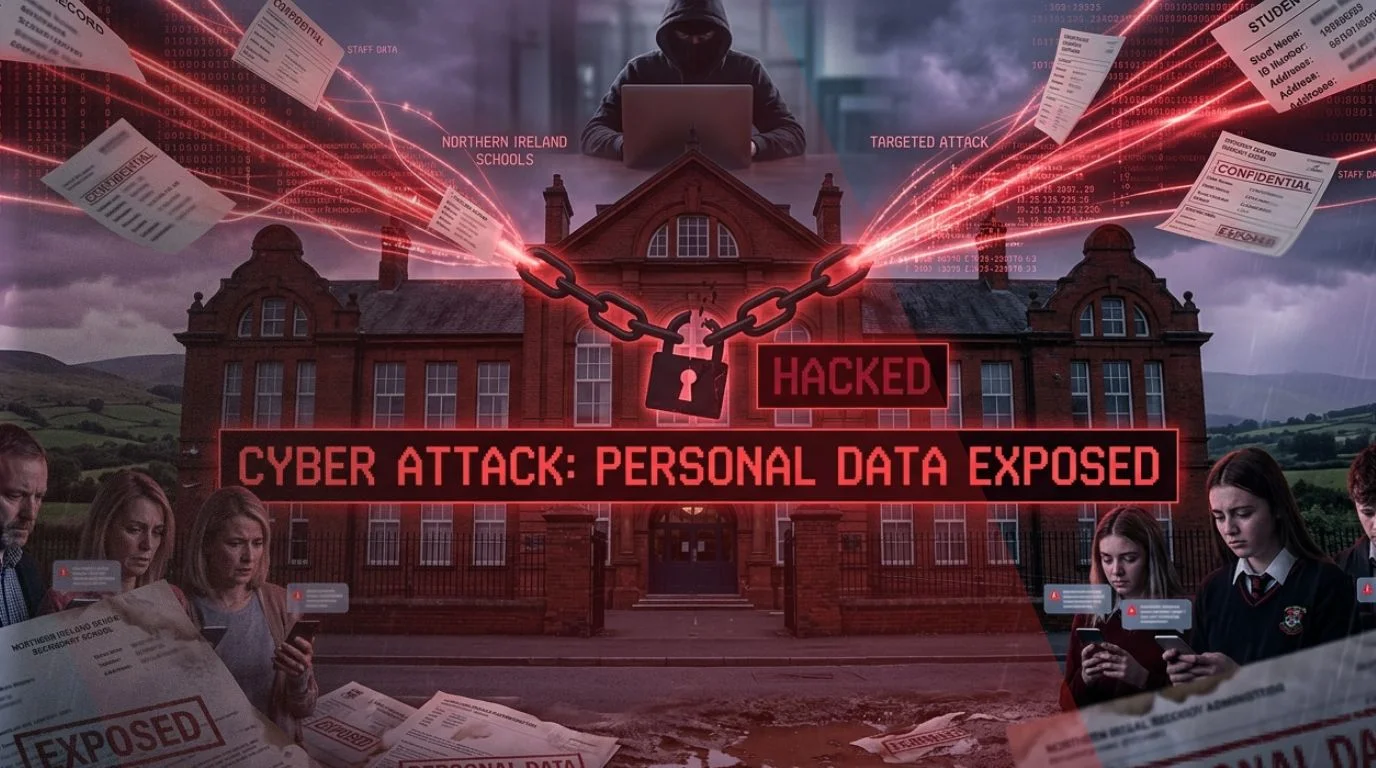
  • Targeted Cyberattack on Northern Ireland Schools Exposes Personal Data Samiksha Jain
    The Education Authority cyberattack investigation has confirmed that a recent incident involved a targeted attack on a small number of schools, leading to the compromise of some personal data. The update comes days after the incident was first reported, with new findings shedding light on the nature and impact of the breach. According to officials, the Education Authority cyberattack was identified on April 10, 2026, when authorities were alerted to suspicious activity affecting school system
     

Targeted Cyberattack on Northern Ireland Schools Exposes Personal Data

Education Authority cyberattack

The Education Authority cyberattack investigation has confirmed that a recent incident involved a targeted attack on a small number of schools, leading to the compromise of some personal data. The update comes days after the incident was first reported, with new findings shedding light on the nature and impact of the breach. According to officials, the Education Authority cyberattack was identified on April 10, 2026, when authorities were alerted to suspicious activity affecting school systems. Forensic experts have since determined that attackers gained specific and targeted access to personal information linked to certain schools.

Targeted Nature of Education Authority Cyberattack

The latest findings indicate that the Education Authority cyberattack was not a widespread system breach but a focused attack on select institutions. Investigators confirmed that personal data was accessed in these cases, though the full extent of the compromised information has not yet been disclosed. Authorities had earlier stated that there was no evidence of data exfiltration or corruption. That assessment was based on initial findings, with officials noting at the time that the investigation was ongoing. The updated confirmation reflects the results of a more detailed forensic review, which required analysis across multiple systems. The breach is believed to have occurred before additional cybersecurity measures were implemented by the authority earlier this month.

Investigation and Law Enforcement Involvement

The Education Authority cyberattack is currently under active investigation, with law enforcement agencies involved. The Police Service of Northern Ireland and the Information Commissioner’s Office were notified immediately after forensic experts confirmed that personal data had been accessed. Officials stated that details of the incident are being disclosed publicly following an arrest made by the police. Prior to this development, authorities had withheld information to avoid interfering with ongoing investigations. The involvement of regulatory and law enforcement bodies highlights the seriousness of the Education Authority cyberattack, particularly given the sensitivity of data held by educational institutions.

Containment and System Recovery Efforts

System managers have assessed that the Education Authority cyberattack has been contained. Additional security measures were deployed as soon as the incident was detected, aimed at preventing further unauthorized access. Efforts are now focused on restoring normal operations. Work is ongoing to reconnect affected schools to the C2k system, which supports digital services across the education network. Officials said that restoring full functionality remains a priority while ensuring system security. The authority has also urged users to reset their C2k passwords as a precautionary step.

Notification of Affected Individuals

Authorities have confirmed that individuals whose personal data may have been compromised in the Education Authority cyberattack will be notified. The process of informing affected schools and individuals is currently underway and is being guided by the final findings of the investigation, along with advice from relevant authorities. Officials acknowledged the concern such incidents may cause and said efforts are being made to communicate with impacted parties as quickly as possible. At the same time, they noted that certain details cannot yet be disclosed publicly due to the ongoing police investigation. Further updates are expected once authorities are able to share more information without affecting the case.

Ongoing Monitoring and Next Steps

The Education Authority cyberattack remains under close monitoring as forensic analysis continues. Investigators are working to fully understand how the breach occurred and whether additional risks remain. While the incident appears to be contained, the confirmation of targeted access to personal data underscores the risks facing education systems, which often manage sensitive information across interconnected platforms. Authorities have indicated that further updates will be provided as the investigation progresses and more details become available.
  • ✇Cybersecurity News
  • Attackers Weaponize Mailbox Rules to Control Your Inbox Ddos
    The post Attackers Weaponize Mailbox Rules to Control Your Inbox appeared first on Daily CyberSecurity. Related posts: TeamFiltration Weaponized: UNK_SneakyStrike Campaign Targets 80,000+ Microsoft Entra ID Accounts The Trust Trap: Phishing Attacks Weaponize Security Tools by Abusing Proofpoint & Intermedia Link Wrapping Hackers Abuse “Device Codes” to Bypass Security and Seize Microsoft 365 Accounts
     
  • ✇Firewall Daily – The Cyber Express
  • Intesa Sanpaolo Missed Unauthorized Access for 2 Years, Regulator Reveals Samiksha Jain
    The Intesa Sanpaolo data breach was not just the result of unauthorized access, it was a failure of detection that lasted for more than two years. In an exclusive response to The Cyber Express, Italy’s data protection authority has now clarified that the bank’s monitoring systems were not equipped to identify repeated, low-volume misuse of access over time. The Intesa Sanpaolo data breach, which has already led to a €31.8 million fine, involved a single employee accessing the data of over 3,5
     

Intesa Sanpaolo Missed Unauthorized Access for 2 Years, Regulator Reveals

Intesa Sanpaolo Data Breach Update

The Intesa Sanpaolo data breach was not just the result of unauthorized access, it was a failure of detection that lasted for more than two years. In an exclusive response to The Cyber Express, Italy’s data protection authority has now clarified that the bank’s monitoring systems were not equipped to identify repeated, low-volume misuse of access over time. The Intesa Sanpaolo data breach, which has already led to a €31.8 million fine, involved a single employee accessing the data of over 3,500 customers without any valid business reason. While earlier findings established the scale of the incident, the latest response explains why it continued undetected for so long.

Intesa Sanpaolo Data Breach: Monitoring Failed to Catch Slow, Repeated Access

At the center of the Intesa Sanpaolo data breach is a critical gap in how internal activity was monitored. In response to queries from The Cyber Express, Secretary General of the Italian Data Protection Authority, Luigi Montuori, said:
“The Authority found that the employee carried out unauthorized access over a period of more than two years without the bank’s alert systems detecting any anomaly. According to the decision, the controls adopted by the bank proved inadequate in light of the specific risks connected with its operating model, which allowed broad internal access to customer data.”
He further added:
“In particular, the Authority considered that the thresholds and monitoring mechanisms in place were not sufficient to promptly detect repeated but time-distributed improper access, including access involving politically exposed or otherwise high-profile individuals.”
This clarification is significant. It shows that the Intesa Sanpaolo data breach was not missed because of a lack of controls, but because those controls were not designed to detect how insider threats actually behave. Rather than triggering alerts through large or unusual spikes, the access remained under the radar by being spread out over time. This exposes a common blind spot in enterprise monitoring, systems often focus on volume, not patterns.

No Confirmed Misuse, But Regulator Flags High Risk

Another key question in the Intesa Sanpaolo data breach has been whether the accessed data was misused beyond internal viewing. Montuori clarified in his response:
“The decision does not state that there is confirmed evidence of data exfiltration or further misuse of the data outside the unauthorized access itself. However, the Authority found that the unlawful access, its scale, its duration, and the categories of persons affected were sufficient to create a high risk for the rights and freedoms of the individuals concerned. Beyond the conclusions set out in our decision, the case is also under investigation by the judicial authority in criminal proceedings.”
Even without confirmed data exfiltration, the Intesa Sanpaolo data breach was treated as a serious violation. The regulator’s position is clear: prolonged unauthorized access, especially involving sensitive and high-profile individuals, creates inherent risk. This reflects a broader shift in enforcement, where exposure itself, not just proven misuse, is enough to trigger regulatory action.

Post-Breach Fixes Highlight Earlier Gaps

Following the Intesa Sanpaolo data breach, the bank introduced several measures to strengthen its controls. The authority noted:
“The decision notes that, after the incident, the bank adopted a number of measures to strengthen its safeguards, including:
  • stronger protections for certain particularly sensitive or high-profile customers;
  •  enhanced ex ante authorization mechanisms and ex post controls on access;
  • strengthened alerting and monitoring systems for anomalous access;
  • a dedicated task force for analysis and decision support;
  • the introduction of additional data masking measures;
  • broader governance improvements in the management of personal data breaches.
As stated in the decision, the Authority also took these remedial measures into account in its overall assessment.”
While these steps address key weaknesses, they also underline a larger issue. In the Intesa Sanpaolo data breach, the most critical safeguards, effective monitoring, stricter access control, and risk-based oversight, were strengthened only after the breach had already persisted for years.

A Broader Warning on Insider Risk

The Intesa Sanpaolo data breach offers a clear lesson for the banking sector and beyond. Internal access remains one of the most difficult risks to control. Systems are often designed to enable efficiency, giving employees broad visibility across customer data. But without monitoring that reflects real user behavior, that access can be misused without detection. What stands out in this case is that even access involving politically exposed and high-profile individuals did not trigger alerts. That points to a deeper issue—not just in tools, but in how risk is defined and monitored. As Montuori concluded:
“At this stage, we have no further comment beyond the contents of the adopted measure”.
The case may be closed from a regulatory standpoint, but its implications are not. The Intesa Sanpaolo data breach shows that insider threats do not always appear as obvious anomalies, they often build quietly over time. Without systems designed to catch that, similar incidents are likely to happen again.

❌
❌