 Entrar
Amazon Connect Reinvents the Enterprise as an AI-Powered “Operating Brain”
29 de Abril de 2026, 04:03
The post Amazon Connect Reinvents the Enterprise as an AI-Powered “Operating Brain” appeared first on Daily CyberSecurity.



A landmark jury verdict has found Meta and YouTube negligent in a social media addiction case, raising major questions about platform accountability and legal protections under Section 230. This episode covers the details of the case, why the ruling is significant, and what it could mean for the future of social media, privacy, and cybersecurity. […]
The post Meta & YouTube Found Negligent: A Turning Point for Big Tech? appeared first on Shared Security Podcast.
The post Meta & YouTube Found Negligent: A Turning Point for Big Tech? appeared first on Security Boulevard.

Oversecured flagged 1,575 flaws in 10 Android health apps with 14.7M installs, putting chats, CBT notes, and mood logs at risk, per BleepingComputer.
The post Millions at Risk as Android Mental Health Apps Expose Sensitive Data appeared first on TechRepublic.
How comfortable are you with sharing your medical history with an AI?
I’m certainly not.
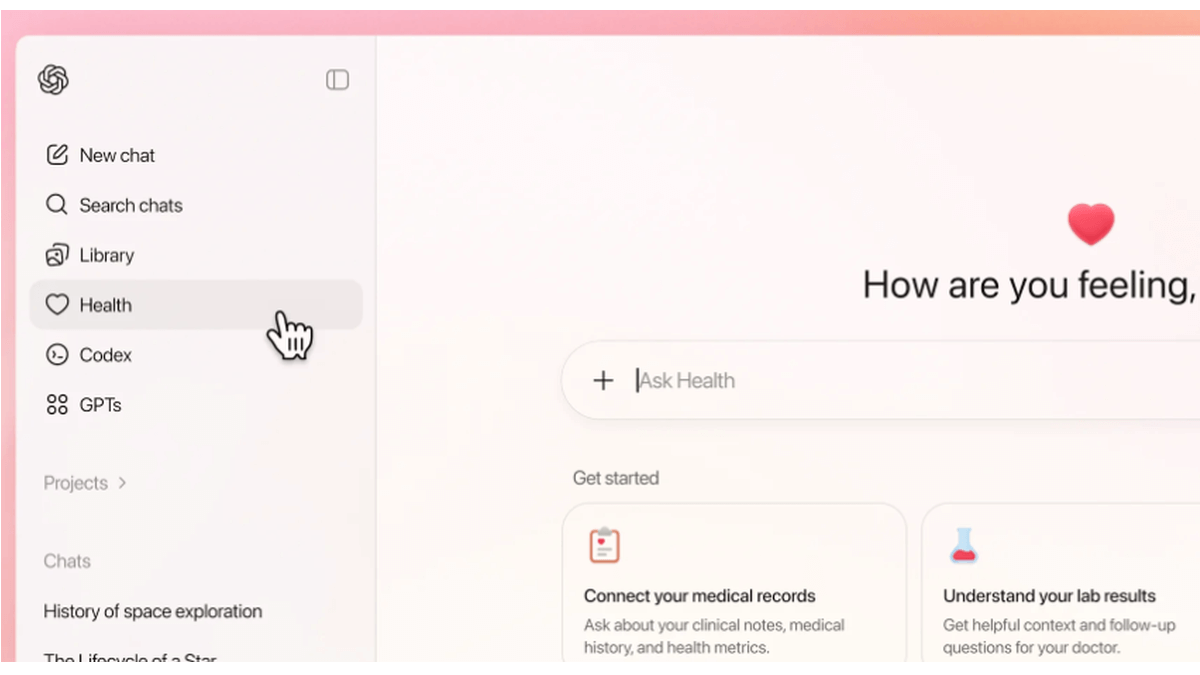
OpenAI’s announcement about its new ChatGPT Health program prompted discussions about data privacy and how the company plans to keep the information users submit safe.
ChatGPT Health is a dedicated “health space” inside ChatGPT that lets users connect their medical records and wellness apps so the model can answer health and wellness questions in a more personalized way.
OpenAI promises additional, layered protections designed specifically for health, “to keep health conversations protected and compartmentalized.”
First off, it’s important to understand that this is not a diagnostic or treatment system. It’s framed as a support tool to help understand health information and prepare for care.
But this is the part that raised questions and concerns:
“You can securely connect medical records and wellness apps to ground conversations in your own health information, so responses are more relevant and useful to you.”
In other words, ChatGPT Health lets you link medical records and apps such as Apple Health, MyFitnessPal, and others so the system can explain lab results, track trends (e.g., cholesterol), and help you prepare questions for clinicians or compare insurance options based on your health data.
Given our reservations about the state of AI security in general and chatbots in particular, this is a line that I don’t dare cross. For now, however, I don’t even have the option, since only users with ChatGPT Free, Go, Plus, and Pro plans outside of the European Economic Area, Switzerland, and the United Kingdom can sign up for the waitlist.
OpenAI only uses partners and apps in ChatGPT Health that meet OpenAI’s privacy and security requirements, which, by design, shifts a great deal of trust onto ChatGPT Health itself.
Users should realize that health information is very sensitive and as Sara Geoghegan, senior counsel at the Electronic Privacy Information Center told The Record: by sharing their electronic medical records with ChatGPT Health, users in the US could effectively remove the HIPAA protection from those records, which is a serious consideration for anyone sharing medical data.
She added:
“ChatGPT is only bound by its own disclosures and promises, so without any meaningful limitation on that, like regulation or a law, ChatGPT can change the terms of its service at any time.”
Should you decide to try this new feature out, we would advise you to proceed with caution and take the advice to enable 2FA for ChatGPT to heart. OpenAI claims 230 million users already ask ChatGPT health and wellness questions each week. I’d encourage them to do the same.
We don’t just report on data privacy—we help you remove your personal information
Cybersecurity risks should never spread beyond a headline. With Malwarebytes Personal Data Remover, you can scan to find out which sites are exposing your personal information, and then delete that sensitive data from the internet.

Gathering data used to be a fringe pursuit of Silicon Valley nerds. Now we’re all at it, recording everything from menstrual cycles and mobility to toothbrushing and time spent in daylight. Is this just narcissism redesigned for the big tech age?
I first heard about my friend Adam’s curious new habit in a busy pub. He said he’d been doing it for over a year, but had never spoken to anyone about it before. He had a furtive look around, then took out his phone and showed me the product of his burning obsession: a spreadsheet.
This was not a record of his annual tax return or numbers he was crunching for work (Adam is a data scientist). Instead, it was a spreadsheet recording the minutiae of his life, with dozens of columns tracking every element of his daily routine. It all started, he told me, because of a recurring argument with his boyfriend. His partner didn’t think they spent enough time together, but Adam thought that they did. There was only one way to settle this, he decided: cold, hard data. So he began keeping a note of the days they saw each other and the days they didn’t.
Continue reading...
© Illustration: Carl Godfrey/The Guardian
© Illustration: Carl Godfrey/The Guardian
