uCreater is Android spyware disguised as trusted apps, stealing credentials, messages and wallet data through a rentable platform.
uCreater is a rentable Android spyware platform that hides inside repackaged legitimate apps, targeting messaging services and mobile wallets. Its YingGai framework can intercept one-time passwords, steal account and chat data, collect contacts, manipulate sessions and spoof camera feeds to bypass identity checks. Victims may install modified versions of Telegram, WeChat or GCash through sideloading or social engineering.
Researcher Ovi found stolen data on a control server, but the number of victims and links between operators and customers remain unconfirmed.
“The repackaged APK can be relatively thin: target-specific instrumentation is retrieved after installation from the operator’s Alibaba OSS and MinIO infrastructure, including buckets and paths named Huuk_<target> and fengzhuang-app (literally, “packaging”). Distribution hosts include telegram-apk.uzyzx.com.” researcher Ovi states. “I could reconstruct much of the post-installation execution chain from the recovered code, but I could not directly establish the initial delivery mechanism for every victim.”
Ovi rebuilt most of the chain from recovered code but couldn’t establish how every victim got the first install.
The product is older than the samples. The package com.ucreater.autotool dates to about 2014, Windows tools tied to ucreater.com were signed between 2016 and 2019, and the YingGai mobile line shows up in records from September 2021. The samples Ovi studied run from 2024 to 2026: uip.exe builds from February to December 2024, Telegram repacks from July and November 2024, the WeChat host and Telegram framework from December 2024, and the Onion Box client from March 2026. The control server’s ICP filing, 湘ICP备2024061212号, dates to 2024.
The infrastructure hints at scale, though not at victim numbers. Ovi counts about 20 target apps with confirmed code support, six operator domains with dozens of subdomains, three Redis buses, two MQTT buses, and a cloud-phone cluster in Changsha spread across several ISPs. A Censys search for the operator’s Tengine gateway fingerprint returned roughly 48 hosts. It looks like a multi-year product sold to many downstream operators, but he can’t say how many customers used it or how many devices fell.
Attributing the platform to a specific legal entity is more difficult. Hunan Youchuang Technology is linked to the ucreater.com brand and a self-signed certificate on videoflow.cn. Changsha Sukai Network holds the ICP filing for the control server’s main domain, qianxuncc.cn, while Changsha Zhuoqing E-commerce appears as the signing identity on uip.exe, using a DigiCert certificate. A common owner is plausible but unproven.
Another lead involves hunanzhijing.com, a domain belonging to the Hunan Intelligent Police Public Safety Technology Research Institute. It shares the same gateway fingerprint, and an official Hunan document connects the institute to an intelligent-policing research project. However, shared cloud infrastructure establishes only co-tenancy, not ownership or operational involvement. There is no evidence that the police developed or operated uCreater.
Other infrastructure links also require caution. A Thailand-based relay used by the Telegram component, hosted on Huawei Cloud, also served gambling websites, an advertising-account service and an SMS service. The cloud-phone web client displayed a certificate for another vendor, while the gateway served a Vue application titled 舆情交易, meaning “public-opinion trading”. These observations are leads for further investigation, not proof of common ownership.
uCreater relies on app virtualization, a technique already identified by Zimperium as a growing mobile threat. VirtualApp runs another application inside a container, LSPatch merges code hooks into repackaged apps without requiring root access, and Pine hooks Android’s runtime. Together, these components allow malicious code to operate inside a legitimate app while it is signed in and has access to decrypted data.
“uCreater is notable because it turns these techniques into a reusable, remotely managed product.” the researchers continues.
Operators distribute modified versions of Telegram-X, Telegram-Web and other messaging apps, integrating modules through LSPatch or loading them from an asset called TgJarPine.dex. WeChat can instead run inside a VirtualApp container, including the va_vx or Onion Box host. LSPatch also stores the original APK under cache/lspatch/origin/*.apk. The presence of this path or the specific asset can help identify an infected device.
The approach differs from GodFather, a banking trojan documented by Zimperium that runs apps in a virtual container and displays fake overlays to capture credentials. uCreater operates inside the real application without relying on an overlay. It uses XposedBridge hooks, reflection and access to the app’s own database interfaces. This allows it to reach beyond login screens and potentially support any application for which the vendor develops a module. Ovi found no evidence linking the two platforms.
One distinguishing feature is a local command server embedded in each hooked application. It exposes around 40 numbered handlers, with descriptions and parameters that allow operators to discover available functions. The code supports device monitoring, contact and SMS collection, installed-app enumeration, message sending, chat-history retrieval, session management and account-related actions.
The Telegram module can execute SQL queries directly against the application’s live database through its own interface. Its Db_MessagesStorageRawQuery handler accepts operator-supplied SQL and returns results through compatibility classes that recreate Telegram objects. This can expose information that would otherwise be protected in the app’s encrypted or locally stored data while the application is running.
The module also hooks Telegram’s SRPHelper.getX routine, capturing the two-step verification password in cleartext before hashing and storing it for exfiltration. The code provides functions to list or reset sessions, change or confirm a linked phone number, delete an account and lock users out. It can also remove its own session from the victim’s device list, potentially concealing the operator’s access. Ovi stresses that the source code demonstrates these capabilities, not that every action has been successfully performed against victims.
The implant retrieves its control-server address from Redis using the Domain key, optionally selecting a value for a particular channel. It caches the address and can fall back to a hardcoded value, explaining why callback domains differ between builds. Signed JSON beacons report to endpoints under /api/callback/Tg*, while command requests include a device fingerprint and signature and use retries with increasing delays.
Updates and additional code arrive through Alibaba Object Storage Service (OSS) and MinIO. The Telegram module retrieves an update manifest and hooks from designated storage paths, while a contacts.vcf file can supply contact information. The WeChat component subscribes to a Redis channel identified by a device-specific machine ID, with its host and credentials embedded in a child code file.
The WeChat module focuses on account access rather than chat-history collection. Its _2_0_UploadAppLoginInfo command retrieves login identity information, after which the app data can be packaged, uploaded to OSS and used in account cloning. Ovi found no evidence that the examined sample accessed WeChat’s encrypted database.
Ovi tested uCreater on a Pixel 10 Pro running Android 17 and found that its bundled Pine engine fails because of changes to Android’s internal APIs. The latest sample, dated July 29, 2026, still uses the outdated engine. Although this creates obstacles for operators, updating Pine could restore functionality, and other devices remain untested. Ovi also identified five samples that successfully contacted the control server, confirming active deployments targeting Telegram, Telegram-X and WeChat.
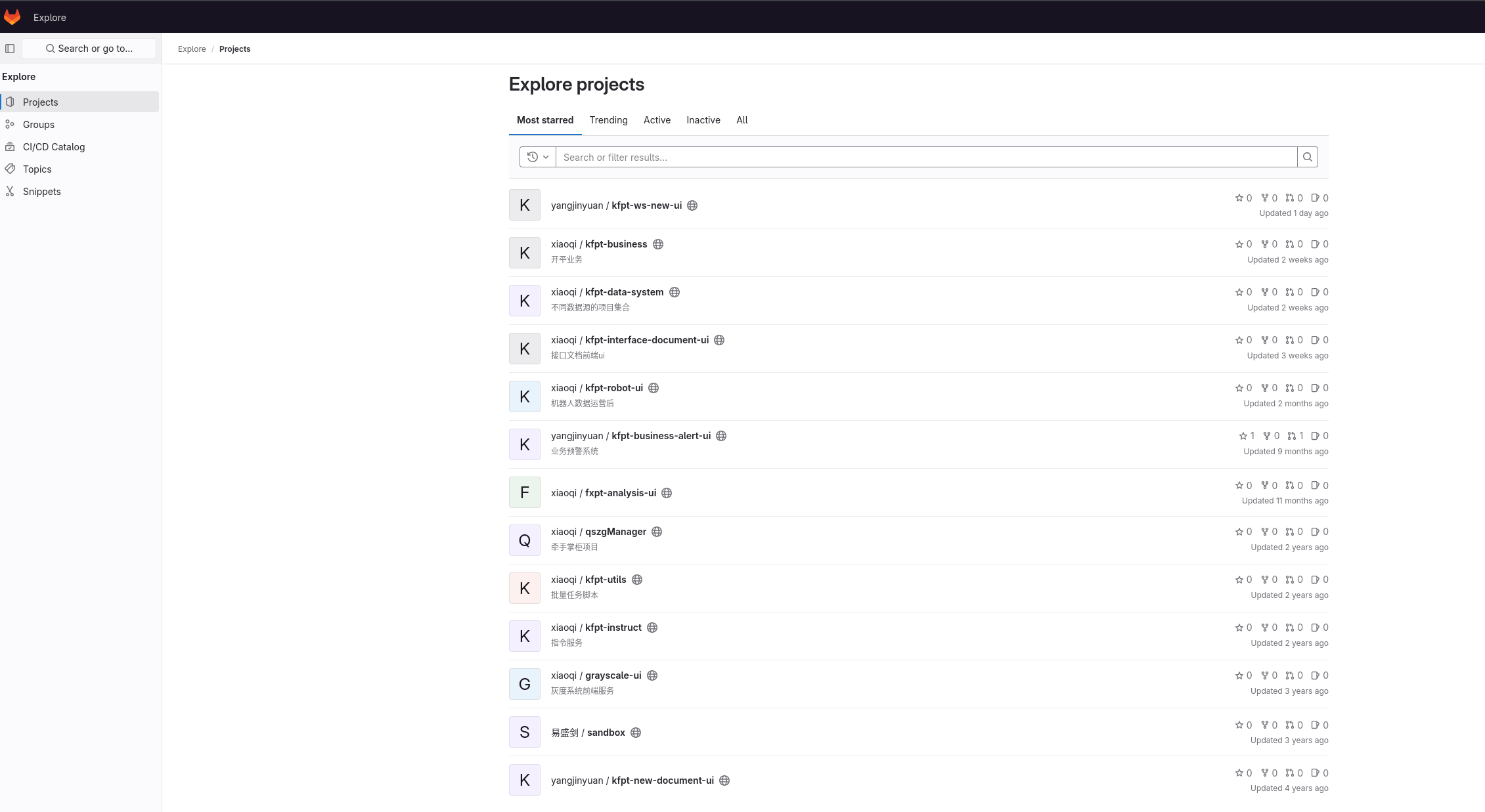
Ovi and researcher Jurre discovered the platform’s source code after finding an exposed GitLab server. Other infrastructure was protected by IP allowlists, but this server contained the control platform’s source code, configuration and operational details.
The repositories revealed Spring Cloud services for command dispatch, authorization capture, data collection, backups and message bridging, alongside a Vue-based administration console. Thirteen repositories contained commit histories identifying roughly three dozen developers, with activity timestamps consistent with China time. At least one commit used a corporate email domain associated with Tanzhou, a Changsha software firm.
uCreater’s backend is a rented, multi-tenant platform that lets operators manage infected devices, steal account data and automate contact collection. Kafka, RocketMQ, Redis and Nacos coordinate commands and schedule activity to avoid triggering security controls. The infrastructure runs on Aliyun and Huawei Cloud, with control services and storage hosted in China. Although GitLab records identify developers behind key components, Ovi stresses they are not confirmed operators. The recovered backend did not appear to support Telegram, and some callback domains are no longer active.
Ovi attributes the platform to a vendor in Changsha and Hunan operating through three companies, each linked to a different technical or infrastructure artifact. The reseller model, focus on mobile wallets and theft of authentication codes suggest financially motivated crime, but the researcher presents this as an assessment rather than a proven fact.
The technical findings show that uCreater goes beyond a conventional banking trojan or a tool that merely steals credentials. By embedding code inside legitimate applications, it can manipulate sessions, access account data, collect contacts and potentially take control of messaging accounts. Its rented, multi-tenant architecture also allows different operators to use the same underlying platform.
The scale of the infrastructure indicates a substantial operation, but neither the number of customers nor the number of compromised devices has been established. Likewise, infrastructure overlaps and developer records provide investigative leads, not conclusive proof of who operated the spyware or who was responsible for individual attacks.
“Mapping points to a commercial resale structure, and targeting driven by wallets and OTPs. My assumption is financially-motivated crimeware.” concludes the report.
Follow me on Twitter: @securityaffairs and Facebook and Mastodon
Pierluigi Paganini
(SecurityAffairs – hacking, newsletter)

 Entrar