Discover how Google Cloud Gemini Enterprise empowers the financial and legal sectors. Learn about its secure AI agents, data lineage, and MCP integration.
Samsung plans to ban Smart TV apps containing residential proxy software after researchers found apps could route traffic through users’ home connections.
Meta is removing Instagram videos that use Ray-Ban smart glasses to harass strangers, highlighting growing privacy concerns around AI-powered wearable cameras.
See how stablecoins, tokenized stocks and fractional investing lower costs and expand global access to US markets through modern financial super apps worldwide.
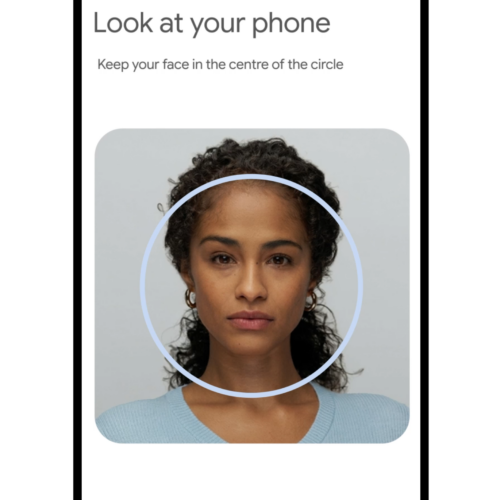
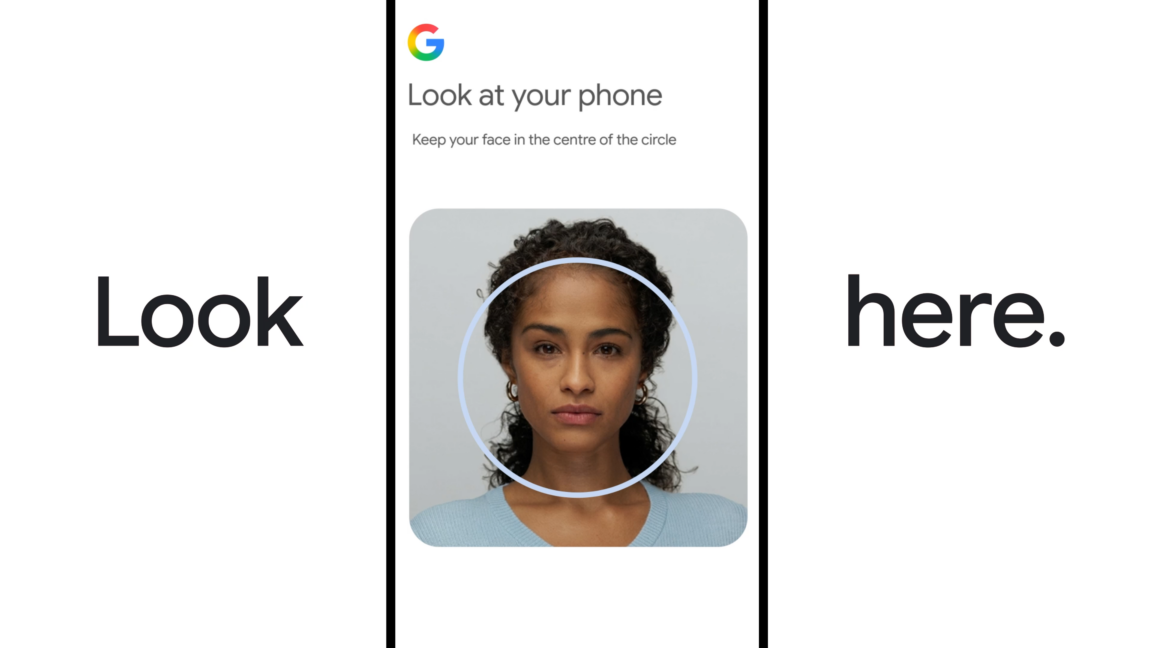
Getting locked out of an account is no fun. Google has a few ways to help you regain access if you happen to forget your password or lose an authenticator, including recovery contacts and backup codes. Now, Google has a completely new option: your face. You can now give Google a video record of your face and sign into your account with a selfie, which sounds like something people are going to just love.
You will have to set this feature up ahead of time if you want the option of regaining account access with a selfie later on. To get started, verify your account type is supported. You won't be able to configure selfie sign-ins for Workspace accounts, child accounts, or any account enrolled in Google's Advanced Protection Program.
Configuring selfie sign-in requires you to record a video, which Google will store on its servers. Google's selfie sign-in landing page includes the typical disclaimers about privacy and data access, promising that the company will keep the video encrypted and won't use it for any other purposes unless you opt in.
Learn how cryptocurrency works, from blockchains and wallets to private keys, custody, and secure transactions, with practical security tips. for confident use.
Companies will once again be allowed to scan citizens’ personal texts, emails, and social media messages via the “Chat Control” bill to find child abuse material online.
Over-the-counter CGMs are making glucose data easier to access, but not every user benefits equally. Here’s where the evidence is strongest — and what to know about app privacy.
Rank One, whose board includes a former CIA deputy director and a former FBI science chief, supplied face recognition to Meta for internal development of its smart glasses app.
The code WIRED identified is gone from the latest version of Meta AI, the companion app for the company’s smart glasses. Meta won’t say why or whether it’s coming back.
A WIRED timeline shows how dozens of governments, companies, and other organizations across Europe are moving, or planning to shift, away from US Big Tech.

 Entrar