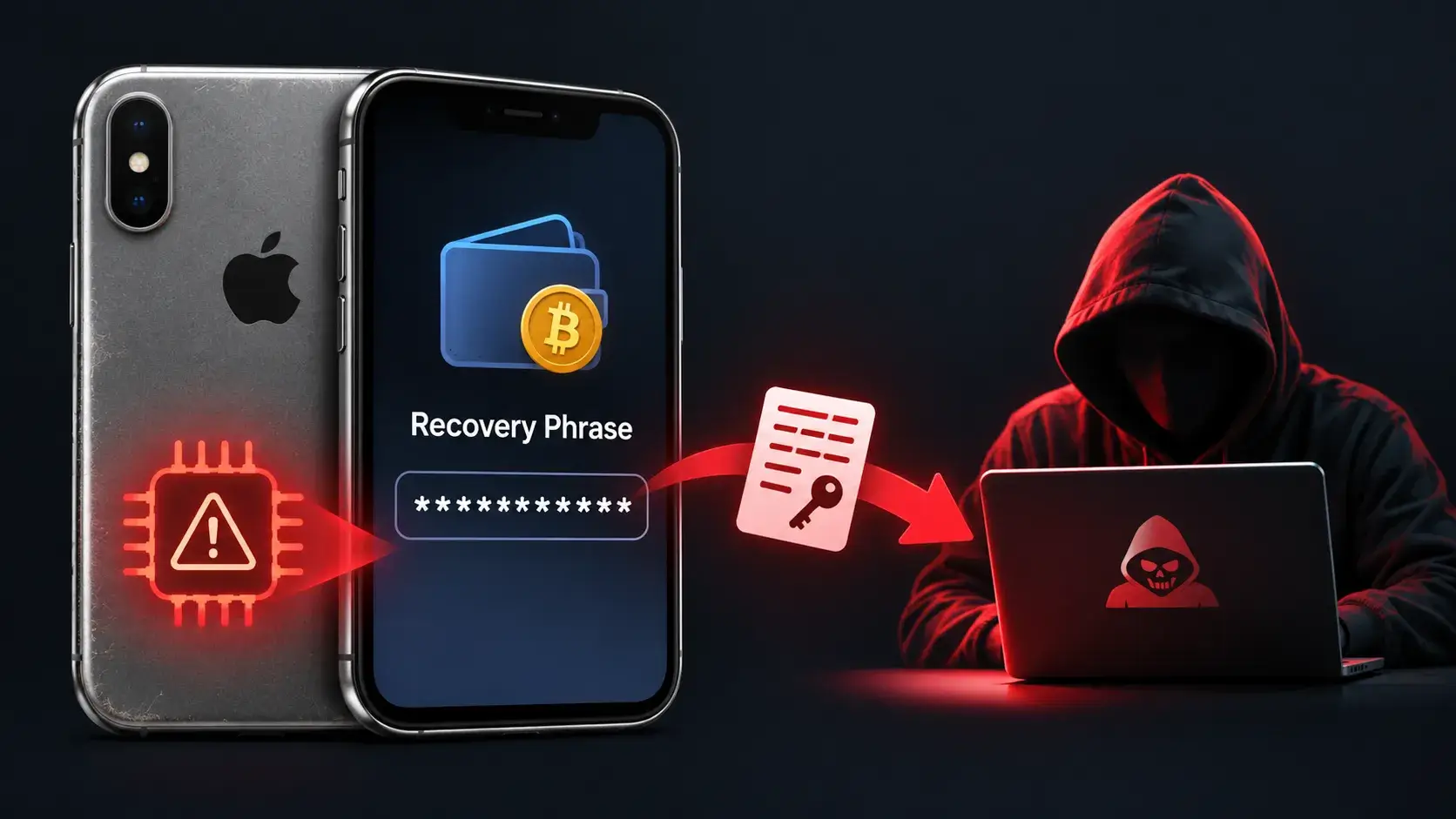
Older iPhones that store cryptocurrency recovery phrases are at a continuous security risk due to unpatchable BootROM vulnerabilities, even if the devices are wiped and kept in airplane mode. While attackers require physical access to exploit this vulnerability, doing so does not automatically reveal encrypted wallet data. However, other weaknesses could potentially allow them to […]
Dutch spies, Russian hackers and Jared Kushner’s iPhone. It sounds like the ingredients for a thriller, but according to claims in a new book the US President's son-in-law may have been hacked twice. Is any of it true, and what does it tell us about the phones in our pockets?
Meanwhile, James Ball explains that of the internet’s most trusted security keys were protected by numbers so small that one of them was... four. Yes, "4". And then, of course, to make the week worse we suffered a PHPocalpyse...
Plus, Chuck Randolph of 360 Privacy explains how the internet has made it scarily easy to put company executives and public officials in danger.
All this and more in episode 490 of the “Smashing Security” podcast with cybersecurity expert and keynote speaker Graham Cluley, and special guest James Ball.
You've had your iPhone stolen. A day later, you get a text from Apple saying they've found it, and a very helpful woman called Alice from Apple Support calls to walk you through recovering it. She's polite. She's professional. But she is not from Apple. She's not even human. And she's about to break into your iPhone.
Meanwhile, OpenAI, Anthropic, and Meta have all announced - with varying degrees of drama - that their AI agents have "broken out of the sandbox" and gone hacking. James takes a step back and asks the awkward question: is this really an emergent AI apocalypse, or did they just leave the door open?
All this and more in episode 483 of the "Smashing Security" podcast with cybersecurity expert and keynote speaker Graham Cluley, and special guest James Ball.
Security researchers at Google on Tuesday released a report describing what they’re calling “Coruna,” a highly sophisticated iPhone hacking toolkit that includes five complete hacking techniques capable of bypassing all the defenses of an iPhone to silently install malware on a device when it visits a website containing the exploitation code. In total, Coruna takes advantage of 23 distinct vulnerabilities in iOS, a rare collection of hacking components that suggests it was created by a well-resourced, likely state-sponsored group of hackers...
iPhone hacking techniques have sometimes been described almost like rare and elusive animals: Hackers have used them so stealthily and carefully against such a small number of hand-picked targets that they're only rarely seen in the wild. Now a recent spate of espionage and cybercriminal campaigns has instead deployed those same phone-takeover tools, embedded in infected websites, to indiscriminately hack phones by the thousands. And one new technique in particular—capable of taking over any of hundreds of millions of iOS devices—has appeared on the web in an easily reusable form, putting a significant fraction of the world's iPhone users at risk.
Researchers at Google and cybersecurity firms iVerify and Lookout on Wednesday jointlyrevealed the discovery of a sophisticated iPhone hacking technique known as DarkSword that they've seen in use on infected websites, capable of instantly and silently hacking iOS devices that visit those sites. While the technique doesn't affect the latest updated versions of iOS, it does work against iOS devices running versions of Apple's previous operating system release, iOS 18, which as of last month still accounted for close to a quarter of iPhones, according to Apple's own count.
“A vast number of iOS users could have all of their personal data stolen simply for visiting a popular website,” says Rocky Cole, iVerify's cofounder and CEO. “Hundreds of millions of people who are still using older Apple devices or older operating system versions remain vulnerable.”

 Entrar