 Entrar
The Technology Revolution: A Journey of Innovation and Transformation

Technology has reshaped our world in countless ways over the past two decades. From how we communicate to how we work, learn, and interact…

Technology has reshaped our world in countless ways over the past two decades. From how we communicate to how we work, learn, and interact…
In the modern age of hyperconnectivity, cyber threats lurk in the most unexpected corners of the internet — from the openly accessible…
In today’s evolving cybersecurity landscape, offensive AI is rapidly transforming how attacks and defenses operate.
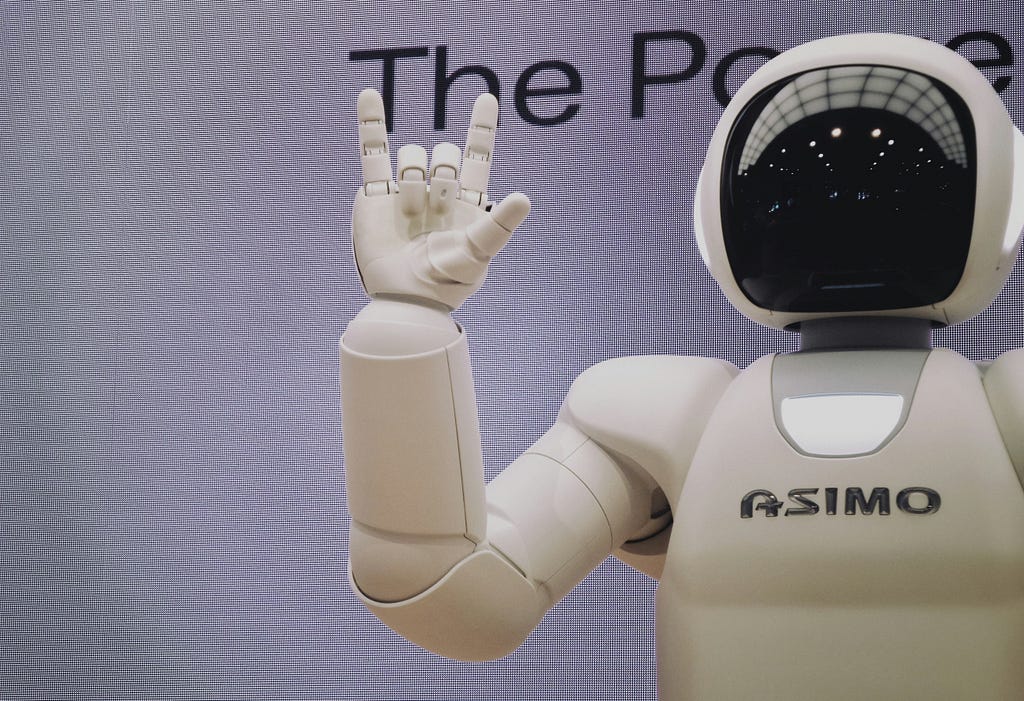
Introduction: Welcome to today’s deep dive into TAZI AI, a standout in the artificial intelligence landscape, revolutionizing how businesses harness machine learning (ML) to make informed decisions. As AI and ML technologies increasingly become business-critical assets, the need for robust security measures has never been more crucial. This post explores TAZI AI’s innovative platform and underscores why security is a fundamental component of deploying AI technologies in any business.
Understanding TAZI AI: Founded in 2017 in San Francisco, TAZI AI is not just another tech company. It’s a pioneer in making advanced AI accessible to not just data scientists but also to business professionals. TAZI AI’s automated Machine Learning platform allows users from various sectors, including banking, insurance, retail, and telecommunications, to interact directly with data, refine models, and make strategic decisions based on real-time insights.
Features That Set TAZI AI Apart:
The Imperative of Robust Security: As beneficial as AI platforms like TAZI AI are, they also bring significant security challenges:
Challenges and Best Practices in AI Security: Securing AI and ML platforms involves addressing unique vulnerabilities:
In an era where data drives decisions, platforms like TAZI AI are invaluable for their ability to provide deep insights and predictive analytics. However, the utility of these platforms is deeply entwined with their security. Companies investing in AI must prioritize robust security frameworks to protect their operations and maintain their reputations. By focusing on both innovation and security, businesses can leverage the full potential of AI to drive success and safeguard their future.
Final Thoughts: TAZI AI exemplifies how integrating smart technologies with stringent security can lead to revolutionary changes in business operations. As we continue to navigate this digital age, understanding and implementing these technologies securely will dictate the success of enterprises.
Stay tuned for more updates on the intersection of technology and business, and remember, a secure AI is a powerful AI!

Today, we’re diving deep into an exhilarating frontier of cybersecurity: “Advancing Edge Security: AI and ML Innovations for Robust Cyber Defense”. This topic is not just relevant but crucial in our hyper-connected world, where the proliferation of internet-connected devices is enhancing our lives but also exposing us to new vulnerabilities. Let’s explore how Artificial Intelligence (AI) and Machine Learning (ML) are revolutionizing the way we secure these devices and networks at the edge of our digital universe.
Firstly, it’s essential to understand what edge computing is and why it’s become so critical. Unlike traditional cloud computing, which relies on data centers located far from the end-user, edge computing processes data at or near the source of data generation. This shift brings processing power closer to data sources — be it smartphones, industrial robots, or IoT devices — enhancing speed and reducing latency.
As the number of smart devices continues to skyrocket, the global data sphere is expected to grow exponentially. This expansion is not without risks, as it potentially widens the attack surface for cybercriminals. Herein lies the critical role of edge security, aimed at protecting data right where it’s collected and processed.
Artificial Intelligence and Machine Learning are playing pivotal roles in this arena. By integrating AI with edge computing, cybersecurity systems can leverage the power of AI algorithms to monitor, detect, and respond to threats in real-time. But how does this work in practice? AI models deployed at the edge learn to recognize patterns and anomalies that may indicate a security breach.
Real-Time Threat Detection: Consider a scenario where an edge device, such as a security camera, identifies an unauthorized entry based on its understanding of typical human behaviors within a secured environment. Using ML algorithms, the device can immediately alert security personnel, initiate lockdown protocols, or take other pre-emptive actions without human intervention.
Predictive Maintenance: In industrial settings, AI can predict equipment failures before they occur by analyzing data from sensors and identifying deviations from normal operating parameters. This capability not only ensures safety but also reduces downtime and maintenance costs.
Implementing AI at the edge is not without its challenges. Edge devices often have limited processing power and storage, which can restrict the complexity of AI algorithms that can be run directly on these devices. Moreover, the decentralized nature of edge computing can make it difficult to manage and secure these devices effectively.
Resource Constraints: To tackle this, researchers and engineers are developing lightweight ML models that require less computational power and storage. Techniques such as model compression, quantization, and pruning are used to shrink AI models without significantly reducing their accuracy.
Security Management: Centralized management platforms are being designed to maintain the integrity and security of edge devices. These platforms help in deploying patches and updates uniformly and securely across all edge devices.
Data Privacy: With devices processing sensitive data locally, ensuring privacy becomes paramount. Edge computing can aid in this by limiting the amount of data that needs to be sent over the network, reducing exposure to data breaches. Additionally, techniques like federated learning allow ML models to be trained across multiple decentralized devices without needing to share the data itself, thus enhancing privacy.
Looking forward, the integration of AI and ML with edge computing holds promising potential to transform cybersecurity. Here are a few trends and innovations that could shape the future of edge security:
Autonomous Security Systems: As AI technology matures, we can expect more sophisticated autonomous security systems that can make decisions and respond to threats without human intervention. This advancement could significantly reduce the response time to security incidents, thereby minimizing potential damage.
Advanced Anomaly Detection: With the improvement in ML algorithms, anomaly detection will become more refined. Systems will be better at distinguishing between false alarms and actual threats, which will enhance the efficiency and reliability of security systems.
Enhanced Collaboration Between Devices: Edge devices will be able to communicate and collaborate more effectively with each other, creating a mesh of interconnected devices that can share intelligence and improve overall security posture. This network of devices, often referred to as the Internet of Behavior (IoB), will leverage collected data to make informed decisions about security policies and threat responses.
Regulatory Compliance and Standardization: As edge computing and AI become more prevalent, regulatory bodies will likely introduce more stringent standards and regulations to ensure these technologies are used responsibly and safely. Compliance with these regulations will be critical for businesses to ensure trust and reliability in their AI-driven edge security systems.
The convergence of AI and ML with edge computing is not just a technological evolution — it’s a revolution in how we approach cybersecurity. As we look to a future where our digital and physical worlds become increasingly intertwined, the importance of robust edge security cannot be overstated. By leveraging AI and ML, we can protect our networks and devices more effectively, ensuring that we can reap the benefits
of the digital age without sacrificing our security and privacy.
For those interested in exploring this topic further, the detailed research paper provides a comprehensive look into the innovative approaches and technological advancements at the forefront of edge security. It’s a must-read for anyone committed to understanding and implementing cutting-edge security solutions in an increasingly connected world.

The future of AI is here, and it’s democratized. Gone are the days of complex coding and hefty price tags. With ChatGPT’s GPT Store, anyone can become an AI architect, crafting personalized bots capable of solving everyday problems, boosting productivity, and even generating income.
Imagine this: You’re a budding entrepreneur drowning in repetitive tasks. Enter your custom GPT, trained on marketing automation principles and industry best practices. Boom! Emails, social media posts, and content calendars churned out on auto-pilot.
Or maybe: You’re a freelancer juggling writing deadlines with client calls. Your custom GPT, trained on your writing style and industry knowledge, becomes your loyal writing assistant, drafting emails, outlines, and even generating first drafts faster than ever.
These are just a taste of the limitless possibilities. The GPT Store empowers you to create AI companions tailor-made for your specific needs, whether it’s tackling writer’s block, conquering language barriers, or streamlining workflows.
But how do you, the non-coding genius, turn this AI dream into reality? Fear not, for the road to AI mastery is paved with simple steps and endless creativity:
1. Unleash Your Inner Problem Solver:
The first step is identifying a pain point, a task you wish could be automated or a problem you long for an AI solution. Is it managing social media interactions, summarizing research papers, or crafting personalized marketing messages? Define your niche, and your AI journey begins.
2. Data: The Fuel for Your AI Engine:
Once you know your mission, it’s time to gather the training data that will fuel your GPT’s learning. Think of it as building a knowledge base for your AI assistant. Scrape relevant websites, upload documents, and even include your own text or code to personalize your GPT’s expertise.
3. OpenAI’s GPT Builder: Your AI Creation Workshop:
No coding required! OpenAI’s user-friendly GPT Builder is your playground for crafting your AI masterpiece. Drag and drop your data sets, fine-tune settings, and watch your GPT come to life. It’s like building a digital lego set, except you’re assembling the future of personalized AI.
4. Unleashing the AI Beast: Training Time:
Now comes the magic. Hit the “Train” button, and OpenAI’s powerful servers will work their algorithmic magic, feeding your GPT the curated data. This is where your custom assistant learns the ropes, absorbing information and developing its unique problem-solving skills.
5. Putting Your AI to the Test:
Once training is complete, it’s time to let your GPT out to play! Experiment, interact, and observe its performance. Does it fulfill your expectations? Does it understand your queries and solve your problems effectively? Remember, training is an iterative process, so refine your data, adjust settings, and keep training until your AI companion shines.
6. Share Your AI Brilliance: Join the GPT Store Revolution:
Don’t keep your AI genius under wraps! Publish your creation on the GPT Store, where you can share your skills with the world and even monetize your efforts. Imagine other entrepreneurs, students, and creative minds benefiting from your personalized AI solution. It’s a win-win for everyone!
7. Spread the Word: Become an AI Evangelist:
The world needs to know about your AI masterpiece! Use social media, blogs, and email marketing to spread the word and build an audience for your GPT. Create tutorials, showcase its capabilities, and engage with potential users. Remember, the more you share, the more your AI creation can thrive.
8. The Monetization Magic: From Free to Premium:
Here’s where your AI journey intersects with financial freedom. The GPT Store offers various monetization options. Offer a freemium version with limited features, introduce subscription plans for full access, or partner with businesses to offer custom AI solutions. Get creative, explore opportunities, and watch your AI-powered income stream grow.
Remember, you don’t need a computer science degree to become an AI whisperer. With ChatGPT’s GPT Store, everyone has the power to become an AI creator, a problem solver, and even an entrepreneur. So, unleash your inner innovator, embrace the AI revolution, and start building your dream GPT today!
Try Prgya —
https://chat.openai.com/g/g-1uYGbPyn2-pragya
Pragya, a specialized ChatGPT, connects users with expert agents for tailored advice. It clarifies goals, provides expert solutions, and guides users efficiently towards achieving their objectives.
Thank you for being a part of the In Plain English community! Before you go:
Monetize Your Creativity with ChatGPT’s GPT Store was originally published in Artificial Intelligence in Plain English on Medium, where people are continuing the conversation by highlighting and responding to this story.


