In the latest evolution of automated cyberattacks, two threat campaigns heavily leveraged AI agents to support attacks against entities in Mexico and Brazil.
The cyberthreat group targets an Azerbaijani oil and gas firm with repeated attacks, as the China-linked actors extend targeting beyond hospitality, telecom, and government sectors.
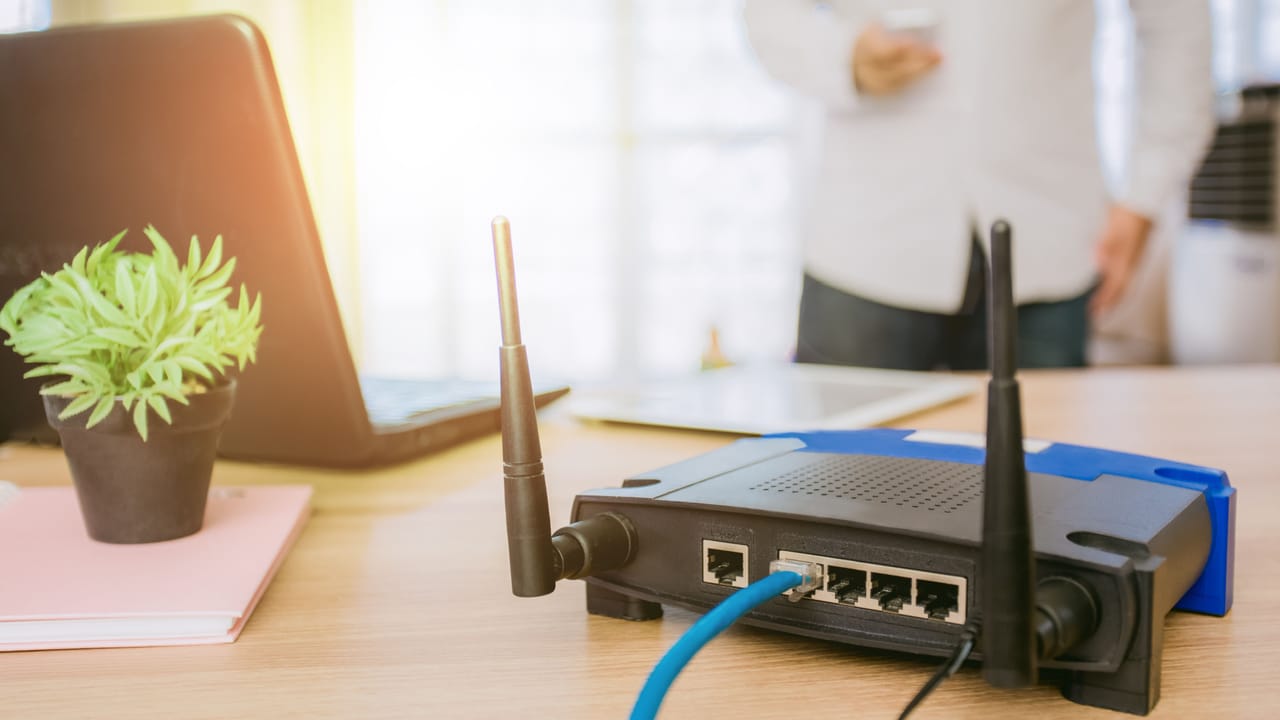
The Federal Communications Commission eased some restrictions and pushed back deadlines for foreign router manufacturers, but the ban is still in place.
As part of Dark Reading's 20th anniversary special coverage, we profile the CISOs, founders, researchers, criminals, and policymakers who rewrote the enterprise risk playbook.
The privilege escalation vulnerability, which is similar to other Linux flaws like Copy Fail and Dirty Pipe, may already be under limited exploitation.
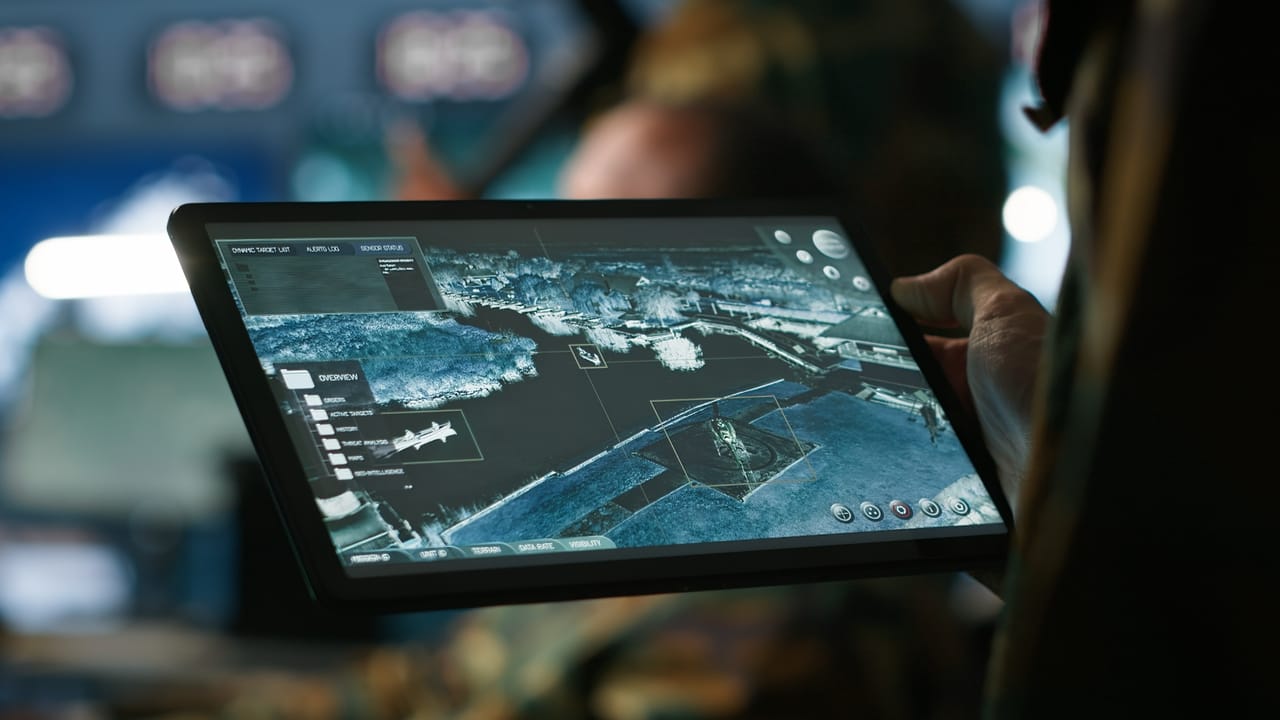
The campaign quietly compromises aerospace and drone operators to exfiltrate GIS files, terrain models, and GPS data and gain a clear picture of adversaries' world view.
Malicious repositories can trigger code execution in Claude Code, Cursor CLI, Gemini CLI, and CoPilot CLI with minimal or no user interaction, thanks to skimpy warning dialogs.
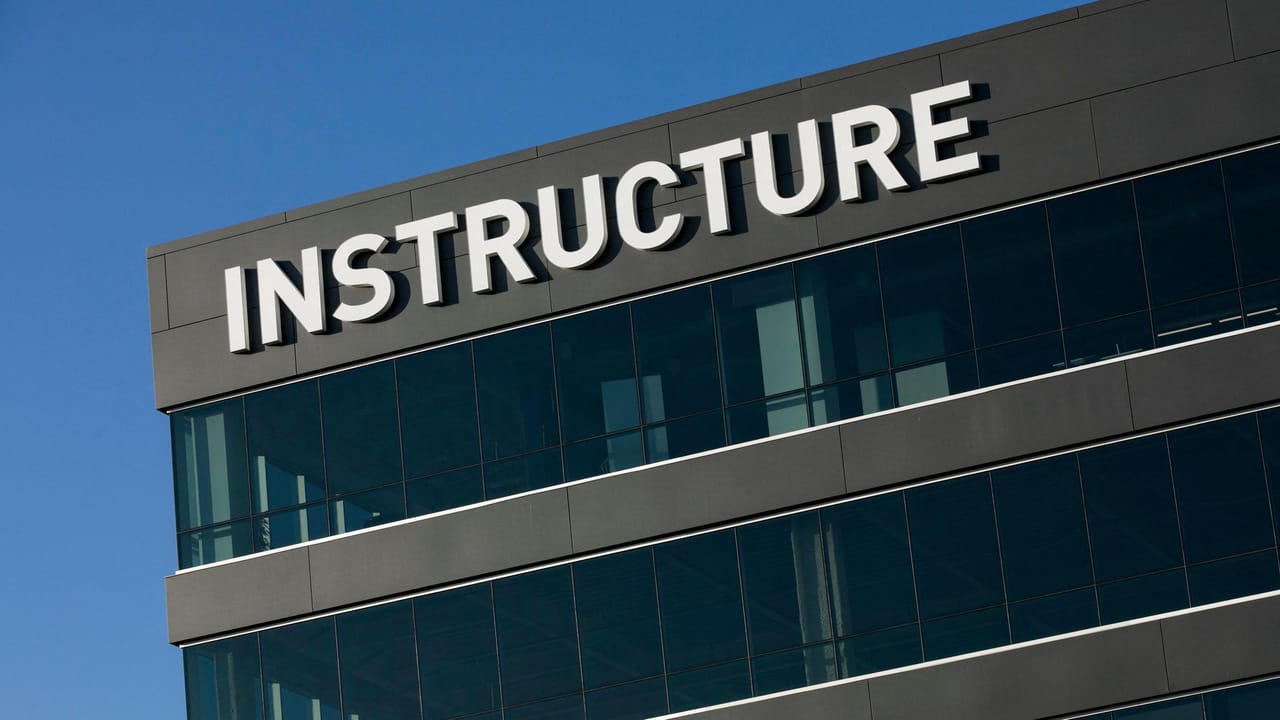
ShinyHunters' attack on Instructure, which owns the widely used Canvas learning management system (LMS), carries big questions about the trust educational institutions put into their vendors.
In hard-to-detect attacks, hackers are dropping the CloudZ RAT and a fresh plug-in, Pheno, to hijack the Windows-based bridge between PCs and smartphones.
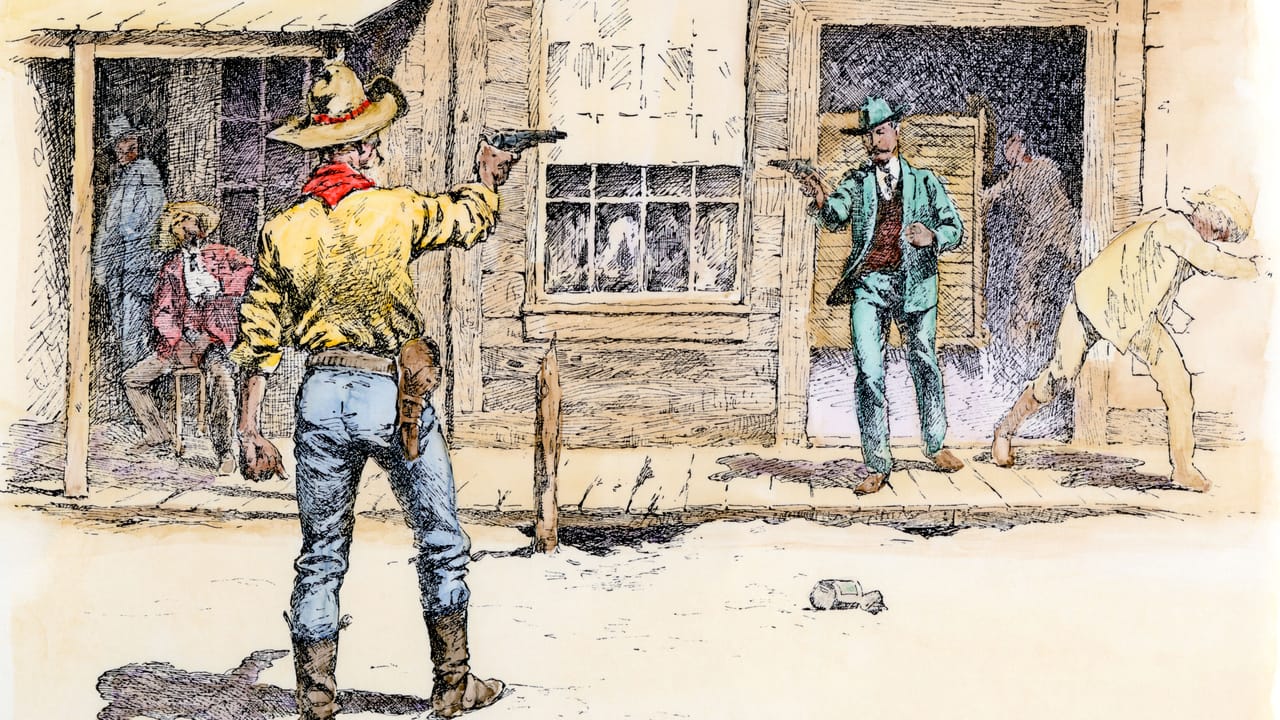
As part of its 20th anniversary celebration, Dark Reading looks back on 20 of the biggest newsmaking events from the past two decades that influenced the risk landscape for today's cybersecurity teams.
 Entrar