❌

Visualização de leitura

Google dismantles botnet secretly running on 1.3 million Android TV boxes

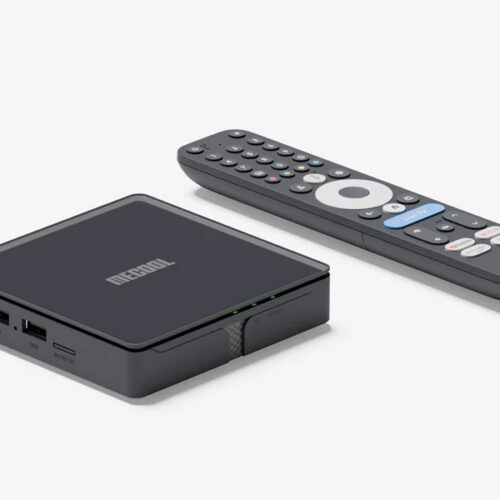
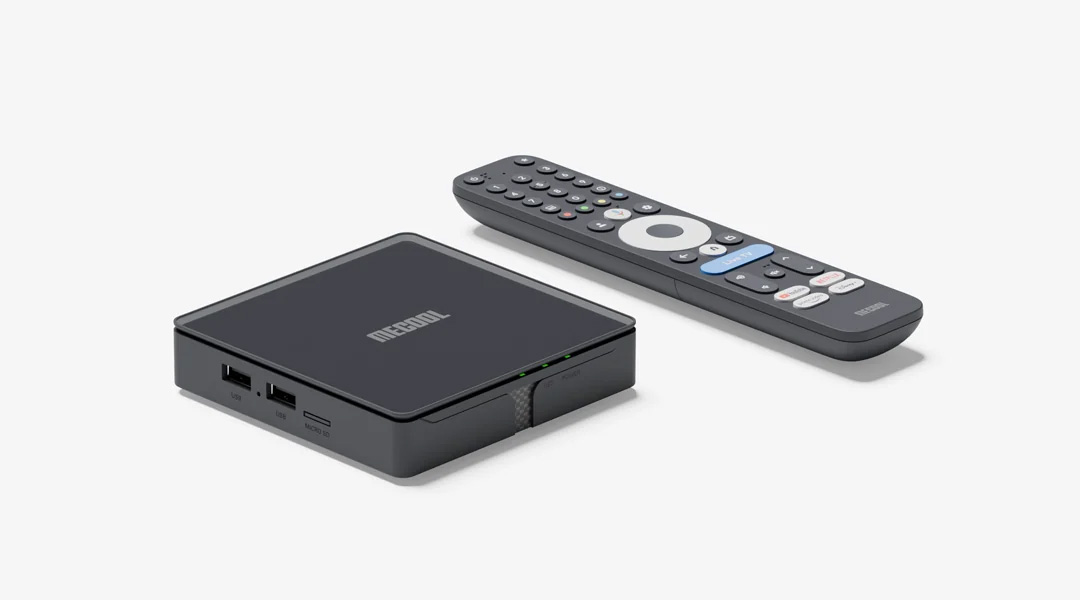
Google's Threat Intelligence Group says it has shut down a massive botnet called x.cpe. At its height, x.cpe ran on more than 1.3 million Android TV devices, and unusually, these were Google-certified boxes. Google says its screening process missed the malware due to "obfuscation techniques" employed by Shenzhen-based Videostrong Technology.

In a detailed blog post, the Threat Intelligence Group explains how the x.cpe botnet evolved quickly from a single-stage dropper into a modular three-stage malware platform that sold access to third parties. Manufacturers must have their devices certified if they want access to Google apps and branding, a process that is supposed to catch threats like this. However, Videostrong's compromised boxes, mostly sold under the MECOOL brand, evaded detection by using a backdoor to remotely install the malware after the devices were set up and online.

After devices appeared online, a stub application called x.cpe or com.oemservice would phone home. This package did not have any malicious capabilities of its own, but it had the system-level permissions necessary to install malware modules at the operator's behest. It also disabled Play Protect, which would have otherwise flagged the silently installed packages as malicious.
Read full article

Comments

© Google

With developer verification, Google's Apple envy threatens to dismantle Android's open legacy

It's been nearly 20 years since Google revealed Android, which the company described as the first "truly open" mobile operating system, setting Google-powered phones apart from the iPhone's aggressively managed experience. Over time, though, Android has become more aligned with Apple's approach. For the moment, users still have the final say in what software runs on their increasingly locked-down smartphones. Later this year, though, Google plans to seriously curtail that freedom in the name of security.

In the coming weeks, Google will officially debut Android developer verification, which will require app makers outside the Play Store to register with their real names and pay a fee to Google. Failure to do so will block their apps from installation (sometimes called sideloading) on virtually all Android devices. Google says this is a necessary evolution of the platform's security model, but upending the status quo could push developers away from Android and risk the privacy of those that remain.

This might make your phone a little safer, sure, but it won't stop people from getting scammed. At the same time, it could rob the Android ecosystem of what made it special in the first place.

Read full article

Comments

© Aurich Lawson | Getty Images

❌