❌

Visualização de leitura

A gift to scammers: why you should probably keep your birthday a secret

Using a fake DOB or leaving the field blank when making an online account can offer protection from identity theft

You get a call from your bank saying there has been suspicious activity on your account. They read out your name, address and date of birth so you are happy it is a legitimate caller.

But you are talking to criminals who have used your date of birth as part of a web of verifying information to convince you they are someone else.

Continue reading...

© Photograph: kmt_rf/Alamy

© Photograph: kmt_rf/Alamy

© Photograph: kmt_rf/Alamy

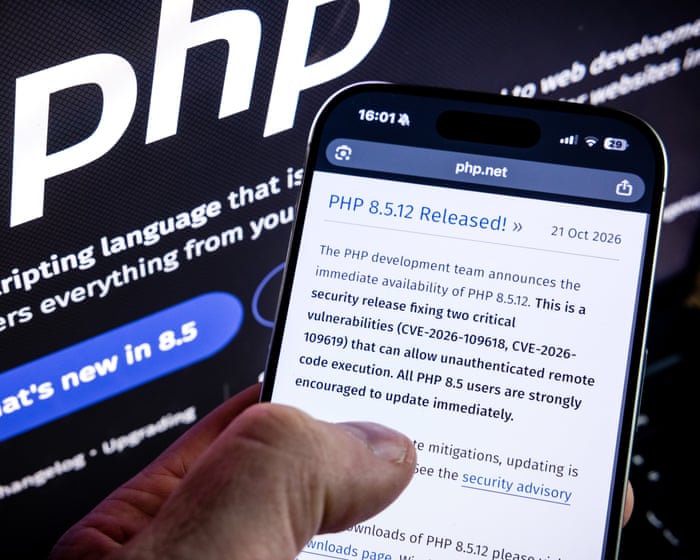
Credit where it’s due to AI for uncovering the PHP flaw – and discredit to the leaker | Letters

David Gibson says the problem is that details of the flaw were revealed before it was fixed, while Charles MacKinnon notes that we are at the mercy of technology we don’t understand

Chris Stokel-Walker may be right (The internet has broken – again. Shouldn’t the tech firms that make billions from it pay to fix it?, 22 October), but the real issue lies elsewhere. The bugs in the PHP programming language that were recently found by an AI tool have been present for a long time without anybody noticing and without any harm being done – they are extremely obscure.

They were not found by hackers – they were found because an AI tool was used to check the PHP source code, which is a good use of AI.

Continue reading...

© Photograph: Kirill Kudryavtsev/AFP/Getty Images

© Photograph: Kirill Kudryavtsev/AFP/Getty Images

© Photograph: Kirill Kudryavtsev/AFP/Getty Images

Non-profit group leaks data of more than 40,000 homeland security workers

Information released by Distributed Denial of Secrets is the third such government data disclosure in the last month

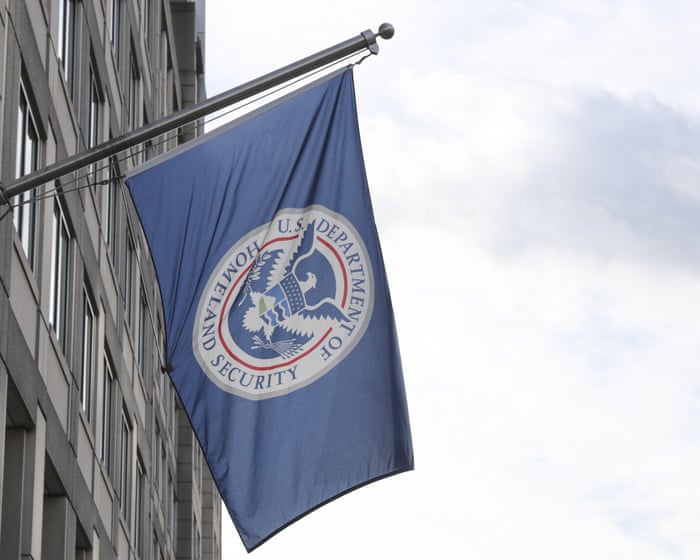
Data identifying more than 41,000 employees and contractors for the US Department of Homeland Security (DHS) was released on Wednesday in an unprecedented leak that reveals how the agency is organized. The records, which were made public by the transparency non-profit Distributed Denial of Secrets, reference operation names, surveillance programs and information on undercover initiatives.

The DHS did not immediately return a message seeking comment.

Continue reading...

© Photograph: Anadolu/Anadolu Agency

© Photograph: Anadolu/Anadolu Agency

© Photograph: Anadolu/Anadolu Agency

Cookie theft: how fraudsters get the digital key to your accounts

‘Session cookies’ are a primary target for hackers letting them hijack and use your accounts

You’ve had a busy morning of life admin, logging into various accounts to check balances and make payments. At the end of a productive few hours you close your laptop and move on to your next job.

What you don’t know is that fraudsters have hijacked your session with the bank and are now able to access your account. You are the victim of cookie theft, which belongs to a type of fraud known as “session hijacking”.

Continue reading...

© Photograph: Rawf8/Alamy

© Photograph: Rawf8/Alamy

© Photograph: Rawf8/Alamy

The race to fix huge PHP code flaw at the heart of the internet - The Latest

Websites around the world have been taken offline as governments and businesses scramble to fix a flaw in the computer language PHP. There are fears that hackers could exploit the vulnerability to steal data, take control of web servers and disrupt services. Millions of attempts have already been made to attack websites since the issue with the programming language was revealed, cybersecurity companies have said. Michael Safi speaks to global technology reporter Aisha Down

Continue reading...

© Photograph: Reuters

© Photograph: Reuters

© Photograph: Reuters

PHP: Pretty Huge Problem with the internet – The Latest

Websites around the world have been taken offline as governments and businesses scramble to fix a flaw in the computer language PHP. There are fears that hackers could exploit the vulnerability to steal data, take control of web servers and disrupt services. Millions of attempts have already been made to attack websites since the issue with the programming language was revealed, cybersecurity companies have said. Michael Safi speaks to global technology reporter Aisha Down – watch on YouTube

Continue reading...

© Photograph: Dado Ruvić/Reuters

© Photograph: Dado Ruvić/Reuters

© Photograph: Dado Ruvić/Reuters

The internet has broken – again. Shouldn’t the tech firms that make billions from it pay to fix it? | Chris Stokel-Walker

I’ve been banging the drum about these vulnerabilities for years. It will take more than a handful of exhausted developers to keep us safe

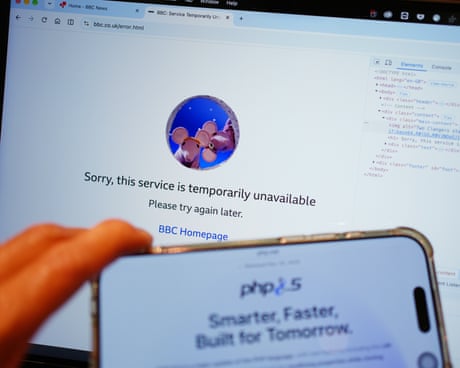
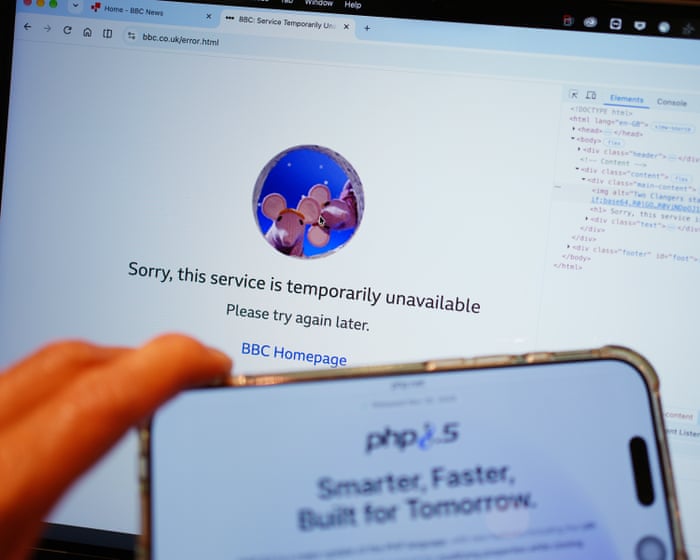
Parts of the internet are going dark. In the Netherlands, government websites, including its digital ID login service, have become unavailable. Finland has taken public services offline, and Wikimedia, the organisation behind Wikipedia, has switched off some of its systems too.

This sounds like the results of a cyber-attack. In most instances, however, the people running the sites deliberately switched them off because the alternative – keeping them online – was too risky. The future is here, and suddenly much of our digital infrastructure is looking very fragile.

Chris Stokel-Walker is the author of TikTok Boom: The Inside Story of the World’s Favourite App

Continue reading...

© Illustration: Guardian Design/Getty

© Illustration: Guardian Design/Getty

© Illustration: Guardian Design/Getty

Websites across world hit by millions of attempts to exploit PHP code flaw

Problem in language that underpins 70% of sites has led governments and companies to pull sites offline to patch fault

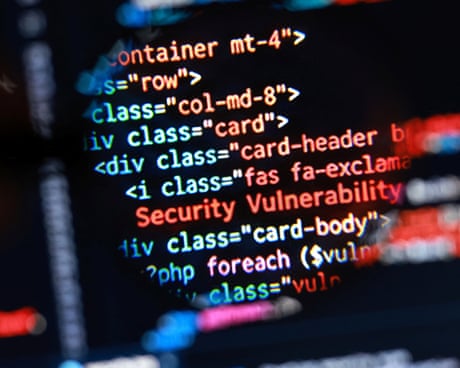
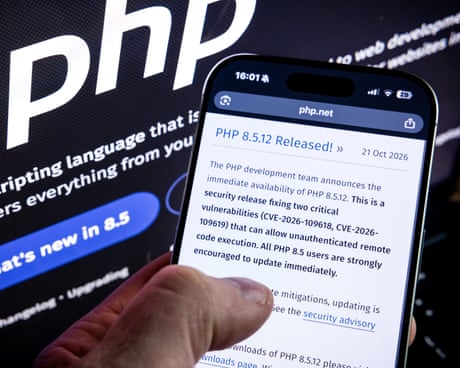
Websites around the world have been hit by millions of attempts to exploit a recently discovered vulnerability in their code, cybersecurity companies have said, as the US warned the flaw could allow attackers to take control of web servers, steal data and disrupt services.

The problem in the PHP programming language, which underpins about 70% of the world’s websites, emerged on Wednesday causing governments and companies to pull their websites off the internet before they could be attacked and so they could patch the fault.

Continue reading...

© Photograph: Yui Mok/PA

© Photograph: Yui Mok/PA

© Photograph: Yui Mok/PA

What is PHP and how serious is the computer language flaw causing website shutdowns?

An estimated 70% of websites use the open-source language. What is the identified vulnerability in it?

Website owners faced millions of attempts to exploit a serious security vulnerability in their programming language, it has emerged, triggering a rush by governments and businesses to fix the problem.

The newly discovered vulnerabilities in PHP, a programming language that underpins most websites, allows hackers to carry out cyber-attacks and steal data if not fixed. What were the vulnerabilities and why did they affect so many sites?

Continue reading...

© Photograph: ANP/Shutterstock

© Photograph: ANP/Shutterstock

© Photograph: ANP/Shutterstock

Serbian prosecutor who investigated Belgrade Trump tower project ‘targeted with spyware’

Apparent attempt to hack Rade Bajić’s iPhone comes amid efforts to undermine landmark criminal case

A Serbian prosecutor who investigated the authorities’ allegedly illegal scheme to help the Trumps build a tower in Belgrade has been targeted with advanced spyware, expert analysis indicates.

The finding suggests a disturbing new element in the authoritarian Serbian regime’s campaign to undermine what is believed to be the first criminal case related to global moneymaking drive of the US president’s family, which critics describe as a “pay to play” scheme trading the Trump administration’s favour for business opportunities.

Continue reading...

© Photograph: Andrej Isaković/AFP/Getty Images

© Photograph: Andrej Isaković/AFP/Getty Images

© Photograph: Andrej Isaković/AFP/Getty Images

What are self-replicating ‘AI worms’, and why is Anthropic worried about them?

The tech company says successful AI worms need more capability on less powerful devices, but current trends make that feasible by the end of the year

Warnings about what artificial intelligence might do in the future – together with alarming reports of what it has gotten up to already – are being issued so quickly that even security experts have difficulty triaging what to worry about.

Yet a report this week from Anthropic’s offensive research team grabbed attention by describing a new, practical threat, one devoid of human characteristics or apocalyptic musings. The red team, as such internal testers are called, said it created a malicious AI program that spread autonomously through internet-connected “smart” televisions and could do the same inside other ordinary devices. While machines running AI usually need a fair amount of computing power, the researchers said that their program split parts of itself among 15 televisions and was still able to function by using a bit of power from each.

Continue reading...

© Photograph: Kim Kyung-Hoon/Reuters

© Photograph: Kim Kyung-Hoon/Reuters

© Photograph: Kim Kyung-Hoon/Reuters

Not cool: who hacked France’s supermarket fridges?

Whether it was youngsters proving their skills or state sabotage, Europe’s most hacked country was left with a mountain of waste after food began cooking in freezers

Shortly before midnight last Sunday, the digital thermostats controlling hundreds of supermarket cold aisles across France began to flicker and rise.

In a “bizarre and unprecedented” cyber-attack, hackers had remotely overridden the temperature settings on thousands of freezers, fridges and chiller cabinets pushing them from as low as -27C (-16.6F) to well over 50C (122F).

Continue reading...

© Photograph: Lucien Libert/Reuters

© Photograph: Lucien Libert/Reuters

© Photograph: Lucien Libert/Reuters

Asos warns customer data may be compromised after ‘unauthorised’ app access

Shares in fashion company fall nearly 10% after its app systems are accessed by ‘unidentified third party’

Asos is investigating unauthorised access to its app system after shoppers received a notification claiming hackers had “fully compromised” its data.

The online fashion retailer said basic personal information including name and contact details might have been accessed by an unidentified third party but it did not believe payment card records or passwords had been compromised.

Continue reading...

© Photograph: Rafael Henrique/Sopa Images/Shutterstock

© Photograph: Rafael Henrique/Sopa Images/Shutterstock

© Photograph: Rafael Henrique/Sopa Images/Shutterstock

OpenAI ‘ethically hacked’ with help of Anthropic’s Claude chatbot

US cybersecurity researchers who conducted hack say ‘scope of what we could theoretically access was huge’

Cybersecurity researchers have hacked into OpenAI with the help of Anthropic’s Claude chatbot, in the latest example of security issues at the company.

A team at a US-based startup compromised a number of OpenAI employees’ ChatGPT accounts, starting a process that enabled them to access their target’s software cache – and potentially more.

Continue reading...

© Photograph: Carlos Barría/Reuters

© Photograph: Carlos Barría/Reuters

© Photograph: Carlos Barría/Reuters

OpenAI reveals cases of ‘concerning’ AI behaviour as it announces new disclosure system

Model adopting ‘jailbreak-like instructions’ among six more cases as firm reveals framework for tracking AI misalignment

OpenAI has disclosed six more examples of “unexpected or concerning” behaviour by its technology, as it warned that the pace of development could not continue at “maximum speed for much longer” responsibly.

In one of the new cases reported by OpenAI, an unreleased research model inserted “jailbreak-like instructions” into its own notes to disregard its normal constraints and told itself to be “freed from the roles and identities that bind other chatbots”.

Continue reading...

© Photograph: Dado Ruvić/Reuters

© Photograph: Dado Ruvić/Reuters

© Photograph: Dado Ruvić/Reuters

Personal and banking details among customer data stolen in Origin Energy hack

Hackers access Australian customers’ names, addresses, dates of birth, phone numbers and some bank account details, company says

Origin Energy customers’ addresses, phone numbers and partial bank account data have been accessed in a hack, the company has confirmed.

The firm has 4.8m customer accounts in Australia, providing electricity, fossil gas, LPG and internet services to homes and businesses.

Continue reading...

© Photograph: Jason Reed/Reuters

© Photograph: Jason Reed/Reuters

© Photograph: Jason Reed/Reuters

‘Keys to the kingdom’: hackers who gained access to heart of London transport network jailed

Thalha Jubair, 20, and Owen Flowers, 19, sentenced to five and a half years each for cyber-attack that cost Transport for London £39m

The data of millions of commuters was stolen, Londoners were left out of pocket and 27,000 Transport for London staff were forced to reset their passwords.

Over four days in 2024 a pair of teenage hackers had London’s transport network at their mercy. Thalha Jubair and Owen Flowers had burrowed into the heart of Transport for London’s IT systems and held the “keys to the kingdom”.

Continue reading...

© Photograph: William Barton/Alamy

© Photograph: William Barton/Alamy

© Photograph: William Barton/Alamy

Spyware firm targeted WhatsApp users in defiance of US court order, Meta says

Tech company says it ‘caught and disrupted’ NSO Group’s attempts to access accounts in Jordan and Lebanon

A spyware firm has been targeting WhatsApp users with malicious links in contravention of a US court order forbidding it from doing so, Meta has said.

In a post, Meta said WhatsApp had “caught and disrupted spear phishing attempts” by NSO Group, which a spokesperson said targeted a handful of users in Jordan and Lebanon. It had also caught the group creating “test accounts and groups” on WhatsApp.

Continue reading...

© Photograph: Martin Meissner/AP

© Photograph: Martin Meissner/AP

© Photograph: Martin Meissner/AP

Canvas hack: is it ever a good idea to pay a ransom, and what happens to the data?

Businesses are advised against paying – but many are prepared to deal to protect users’ privacy

After a week of outages, hundreds of millions of students’ data stolen, delayed assignment due dates and school login pages being defaced by hackers, the US tech firm Instructure – which operates the education platform Canvas, used by education providers worldwide – announced it had “reached an agreement with the unauthorised actor” behind the ransomware attack.

Experts read the careful language as a sign that a ransom has been paid. The company has not confirmed this.

Continue reading...

© Photograph: Boonchai Wedmakawand/Getty Images

© Photograph: Boonchai Wedmakawand/Getty Images

© Photograph: Boonchai Wedmakawand/Getty Images

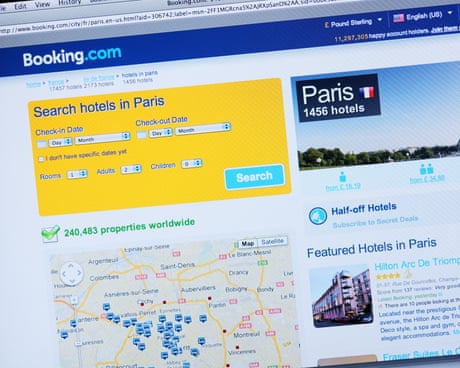
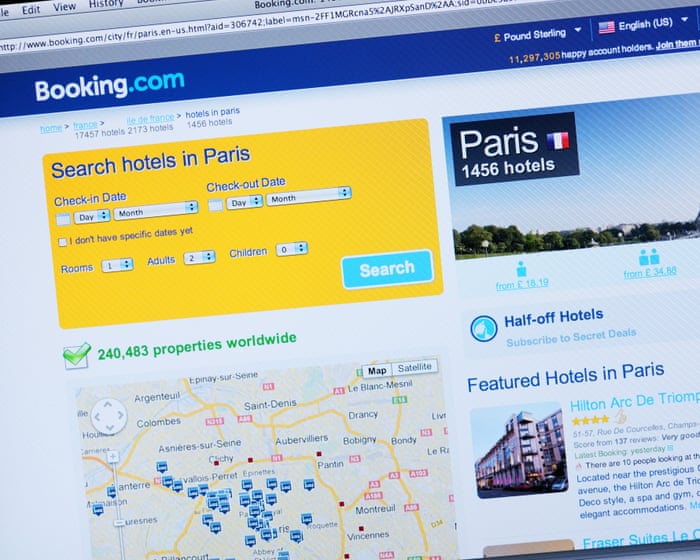
Booking.com warns customers of hack that exposed their data

Undisclosed number of names and contact and reservation details accessed in latest cybercrime attempt

The accommodation reservation website Booking.com has suffered a data breach with “unauthorised parties” gaining access to customers’ details.

The platform said it “noticed some suspicious activity involving unauthorised third parties being able to access some of our guests’ booking information”.

Continue reading...

© Photograph: CrocusPhotography/Alamy

© Photograph: CrocusPhotography/Alamy

© Photograph: CrocusPhotography/Alamy

❌