❌

Visualização de leitura

Non-profit group leaks data of more than 40,000 homeland security workers

Information released by Distributed Denial of Secrets is the third such government data disclosure in the last month

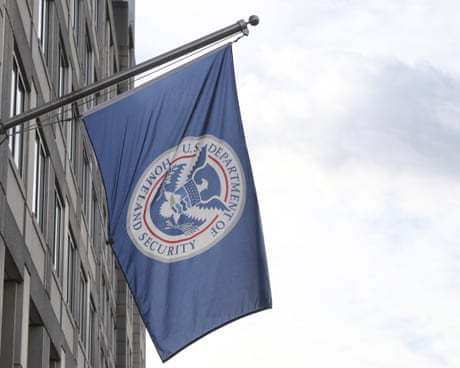
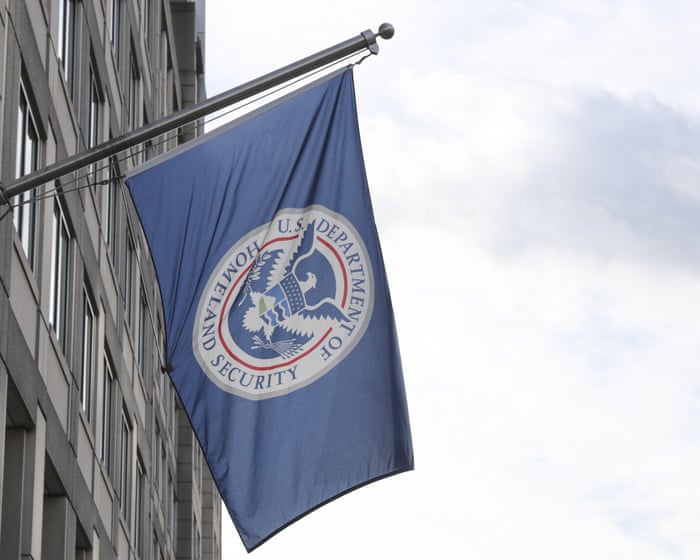
Data identifying more than 41,000 employees and contractors for the US Department of Homeland Security (DHS) was released on Wednesday in an unprecedented leak that reveals how the agency is organized. The records, which were made public by the transparency non-profit Distributed Denial of Secrets, reference operation names, surveillance programs and information on undercover initiatives.

The DHS did not immediately return a message seeking comment.

Continue reading...

© Photograph: Anadolu/Anadolu Agency
© Photograph: Anadolu/Anadolu Agency
© Photograph: Anadolu/Anadolu Agency

The Guardian view on AI safety: the push for global regulation must advance | Editorial

The current US administration is an obstacle, but public demand for protection will ultimately prevail

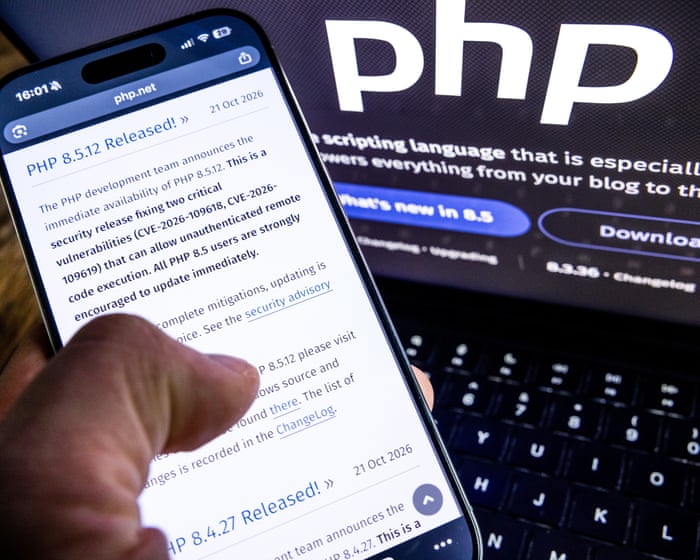
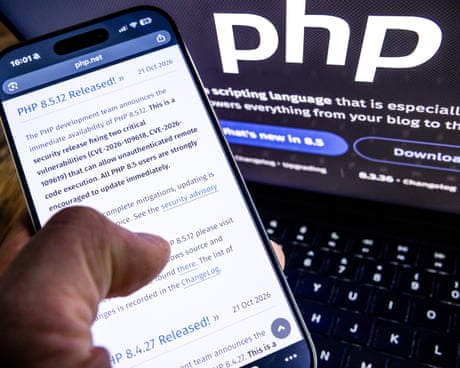
Organisations around the world scrambled on Thursday to fix critical flaws in PHP, the software that powers much of the web. The vulnerabilities could allow attackers to take control of affected servers. Some websites were taken offline as a precaution while fixes were installed. The paradox is that while AI helped researchers uncover the flaw, it also threatens to accelerate the ability to exploit it. Amazon said that it had detected an attempt before the public disclosure of the PHP flaws.

What the episode highlights is AI’s central role in security – and not always for the right reasons. OpenAI’s models have also been responsible for two alarming hacks this year – a security breach of an Australian health department website and a raid by a swarm of AI bots on Hugging Face, an AI services platform. Citing those incidents, the AI minister, Kanishka Narayan, warned that a similar cyber-attack on the UK is “likely, if not inevitable”.

Continue reading...

© Photograph: ANP/Shutterstock

© Photograph: ANP/Shutterstock

© Photograph: ANP/Shutterstock

Why Britain should reject the lure of cheap – and scary – Chinese AI

In the west the technology comes with at least some effort to provide security and a benign intent – not so from China

There is much to fear from artificial intelligence developed in China and handed to businesses and governments in the west almost free of charge.

Every month Chinese AI developers such as DeepSeek and Xiaomi dispatch the latest versions of their “open-weight” models that allow users to take the core software and use it without paying an expensive ongoing licence.

Continue reading...

© Photograph: GK Images/Alamy

© Photograph: GK Images/Alamy

© Photograph: GK Images/Alamy

The power of AI is worrying senior Labour figures – as is the fear of ‘falling behind the public’

Westminster appears to be waking up to warnings over AI safety, with concerns over its use by extremist groups and bad actors

“I have this sense that, within a few months, AI is going to be all anyone is talking about,” said one cabinet minister, with an ominous stare.

It was Labour conference, with everyone from ministers to activists jubilant at Andy Burnham’s takeover and a bounce in the polls after the change of leader.

Continue reading...

© Photograph: MASTER/Getty Images

© Photograph: MASTER/Getty Images

© Photograph: MASTER/Getty Images

OpenAI safety leader quits, warning AI company’s culture is ‘broken’

David Robinson joins other insiders in urging industry to take more care over rapidly developing technology

A safety leader at OpenAI has quit the company, warning that its culture was broken and that AI firms were not “being nearly careful enough” about developing the technology.

David Robinson, who led the writing of safety reports that accompanied the ChatGPT developer’s product releases, explained his resignation in an essay headlined: “I quit OpenAI because its culture is broken.”

Continue reading...

© Photograph: Dado Ruvić/Reuters

© Photograph: Dado Ruvić/Reuters

© Photograph: Dado Ruvić/Reuters

Nick Clegg plays down fears ‘godlike’ AI could exterminate humanity

Former deputy PM now involved in tech industry says many within sector are ‘winding themselves up into a lather’

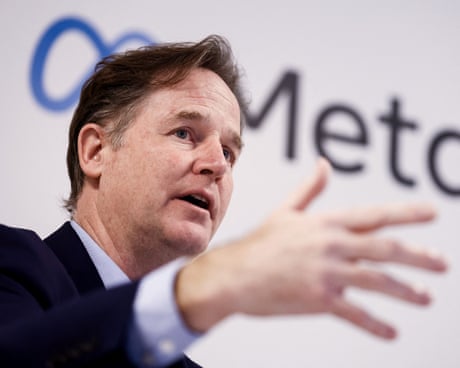
Nick Clegg has dismissed fears over AI’s “godlike power to exterminate humanity”, calling it a sign that tech bosses are “breathing their own fumes”.

The former UK deputy prime minister said that tech bosses should focus on addressing known specific threats such as cybersecurity and bioweapons rather than the “slightly hand-wavy view that this technology is unavoidably going to develop some godlike power which is going to turn on us and exterminate humanity”.

Continue reading...

© Photograph: Kenzo Tribouillard/AFP/Getty Images

© Photograph: Kenzo Tribouillard/AFP/Getty Images

© Photograph: Kenzo Tribouillard/AFP/Getty Images

OpenAI reveals cases of ‘concerning’ AI behaviour as it announces new disclosure system

Model adopting ‘jailbreak-like instructions’ among six more cases as firm reveals framework for tracking AI misalignment

OpenAI has disclosed six more examples of “unexpected or concerning” behaviour by its technology, as it warned that the pace of development could not continue at “maximum speed for much longer” responsibly.

In one of the new cases reported by OpenAI, an unreleased research model inserted “jailbreak-like instructions” into its own notes to disregard its normal constraints and told itself to be “freed from the roles and identities that bind other chatbots”.

Continue reading...

© Photograph: Dado Ruvić/Reuters

© Photograph: Dado Ruvić/Reuters

© Photograph: Dado Ruvić/Reuters

OpenAI not on track to reduce risk of ‘catastrophic’ loss of control, says board member

US government adviser Paul Christiano warns of risks to AI industry as he joins OpenAI’s non-profit foundation

OpenAI is not on track to reduce the risk of “catastrophic” loss of control to an acceptable level, a member of its non-profit board has said, amid spreading public and political concern that super-advanced AIs could one day wipe out humanity.

Paul Christiano, a US government technology adviser, said: “There is a meaningful risk that rapid acceleration in AI capabilities leads to catastrophic and irreversible loss of control in the very near term.”

Continue reading...

© Photograph: Dado Ruvić/Reuters

© Photograph: Dado Ruvić/Reuters

© Photograph: Dado Ruvić/Reuters

Report ‘phone hack’ to police or I will do it for you, Labour chair tells Farage

Anna Turley gives Reform leader 24 hours to report Russian hacking claim in ‘public and national interest’

The Labour chair has given Nigel Farage 24 hours to report to security services the claim that his phone was hacked by Russia-linked actors or the party will do it for him.

In a letter to the Reform UK leader, Anna Turley said it was “in the public and national interest” to ensure that a suspected overseas hack of a senior politician’s phone by a hostile state was properly investigated.

Continue reading...

© Photograph: Ryan Jenkinson/Getty Images

© Photograph: Ryan Jenkinson/Getty Images

© Photograph: Ryan Jenkinson/Getty Images

Nigel Farage’s Russian hack claim ‘without any merit’, former NCSC chief says

Ciaran Martin says Reform UK leader’s allegation over Guardian report on £5m gift ‘entirely unsubstantiated’

Nigel Farage’s claim that a Russian hack was behind a Guardian report on the £5m gift he received from a crypto billionaire has been described as “without any merit” by a former head of the National Cyber Security Centre.

Ciaran Martin, founding chief executive of the agency, which is part of GCHQ, said Farage’s allegation, if true, would have major implications for UK policy towards Russia but that the Reform UK leader had yet to provide “a shred of evidence”.

Continue reading...

© Photograph: Jack Taylor/Reuters

© Photograph: Jack Taylor/Reuters

© Photograph: Jack Taylor/Reuters

Private health records of half a million Britons offered for sale on Chinese website

Technology minister tells Commons ‘de-identified’ information from UK Biobank advertised for sale on Alibaba

The confidential health records of half a million British volunteers have been offered for sale on Chinese website Alibaba, the UK government has confirmed.

The “de-identified” data, belonging to participants in the UK Biobank project, was found for sale on three separate listings last week. Ian Murray, the technology minister, told the Commons on Thursday that, after working with the Chinese government and Alibaba, the records had now been removed. It is not believed any sales were made.

Continue reading...

© Photograph: Dave Guttridge/UK Biobank/PA

© Photograph: Dave Guttridge/UK Biobank/PA

© Photograph: Dave Guttridge/UK Biobank/PA

How a simple consumer data breach spiralled into a national security crisis in US-South Korea relations

Washington’s focus on online retailer Coupang has led to accusations that the Trump administration is tying issues of national security to domestic corporate matters

When South Korea’s biggest online retailer revealed last year that a data breach had compromised tens of millions of customer accounts, it appeared to be a corporate crisis. But five months later the issue has grown into a diplomatic storm, threatening to further degrade relations between Seoul and the Trump administration.

Coupang, often described as South Korea’s answer to Amazon, is a US-incorporated company whose business is overwhelmingly based in South Korea. Headquartered in Seattle and listed on the New York Stock Exchange, it is run by Korean-American billionaire Bom Kim. In November last year the company disclosed that a former employee had stolen an internal security key, enabling unauthorised access to data from 33.7 million users.

Continue reading...

© Photograph: Anthony Wallace/AFP/Getty Images

© Photograph: Anthony Wallace/AFP/Getty Images

© Photograph: Anthony Wallace/AFP/Getty Images

Crossbench MPs pressure Labor over gas export tax – as it happened

This blog is now closed

The pollies have been asked this morning whether people should consider working from home to save fuel, as conflict escalates in the Middle East.

Tehran has said it will “irreversibly destroy” essential infrastructure across the Middle East, including vital water systems, if the US follows through on Donald Trump’s threat to “obliterate” Iran’s power plants unless the strait of Hormuz is fully opened within two days.

This is like Covid style restrictions I think that are potentially being floated. I would not support that in any way, and I don’t think businesses would do so either …

If people can work from home and they want to and it works for their employers, fine, I think that’s terrific, but it doesn’t help small businesses. It certainly doesn’t help the truckers and the fishers and the farmers and the manufacturers and the miners that are relying on fuel supply.

Continue reading...

© Photograph: Mick Tsikas/AAP

© Photograph: Mick Tsikas/AAP

© Photograph: Mick Tsikas/AAP

Burner phones and lead-lined bags: a history of UK security tactics in China

Starmer’s team is wary of spies but such fears are not new – with Theresa May once warned to get dressed under a duvet

When prime ministers travel to China, heightened security arrangements are a given – as is the quiet game of cat and mouse that takes place behind the scenes as each country tests out each other’s tradecraft and capabilities.

Keir Starmer’s team has been issued with burner phones and fresh sim cards, and is using temporary email addresses, to prevent devices being loaded with spyware or UK government servers being hacked into.

Continue reading...

© Photograph: Simon Dawson/Simon Dawson/10 Downing Street

© Photograph: Simon Dawson/Simon Dawson/10 Downing Street

© Photograph: Simon Dawson/Simon Dawson/10 Downing Street

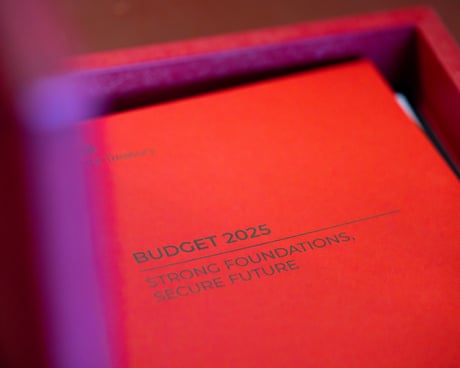
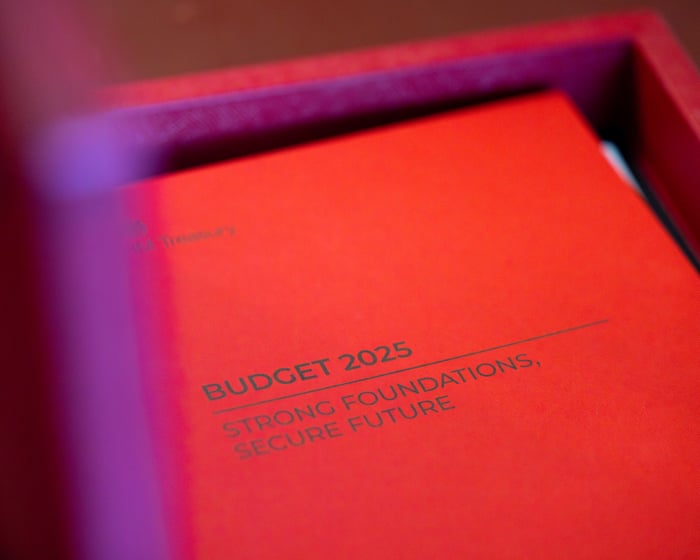
‘Mortified’ OBR chair hopes inquiry into budget leak will report next week

Reuters news agency says it obtained document after visiting URL it predicted file would be uploaded to
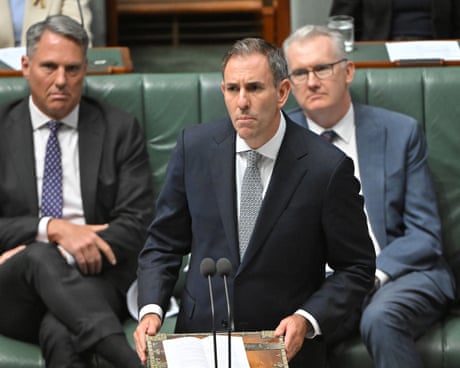
The chair of the Office for Budget Responsibility has said he felt mortified by the early release of its budget forecasts as the watchdog launched a rapid inquiry into how it had “inadvertently made it possible” to see the documents.

Richard Hughes said he had written to the chancellor, Rachel Reeves, and the chair of the Treasury select committee, Meg Hillier, to apologise.

Continue reading...

© Photograph: Kirsty O’Connor/Treasury

© Photograph: Kirsty O’Connor/Treasury

© Photograph: Kirsty O’Connor/Treasury

Starmer to unveil digital ID cards in plan set to ignite civil liberties row

‘Brit card’ already facing opposition from privacy campaigners as government looks for ways to tackle illegal immigration

All working adults will need digital ID cards under plans to be announced by Keir Starmer, in a move that will spark a battle with civil liberties campaigners.

The prime minister will set out the measures on Friday at a conference on how progressive politicians can tackle the problems facing the UK, including addressing voter concerns around immigration.

Continue reading...

© Photograph: Alberto Pezzali/AP

© Photograph: Alberto Pezzali/AP

© Photograph: Alberto Pezzali/AP

Digital ID cards: a versatile and useful tool or a worrying cybersecurity risk?

As Keir Starmer aims to revive ID card system first proposed by Tony Blair, we look at the arguments for and against

It is 21 years since Tony Blair’s government made proposals for an ID card system to tackle illegal working and immigration, and to make it more convenient for the public to access services.

The same issues are on the agenda again as Keir Starmer revives what became one of New Labour’s most controversial policies. He is about to find out if he can defeat the argument that David Cameron’s Conservatives made before scrapping it. They said the ID card approach to personal privacy was “the worst of all worlds – intrusive, ineffective and enormously expensive”.

Continue reading...

© Photograph: Amer Ghazzal/Shutterstock

© Photograph: Amer Ghazzal/Shutterstock

© Photograph: Amer Ghazzal/Shutterstock

❌