❌

Visualização de leitura

The power of AI is worrying senior Labour figures – as is the fear of ‘falling behind the public’

Westminster appears to be waking up to warnings over AI safety, with concerns over its use by extremist groups and bad actors

“I have this sense that, within a few months, AI is going to be all anyone is talking about,” said one cabinet minister, with an ominous stare.

It was Labour conference, with everyone from ministers to activists jubilant at Andy Burnham’s takeover and a bounce in the polls after the change of leader.

Continue reading...

© Photograph: MASTER/Getty Images

© Photograph: MASTER/Getty Images

© Photograph: MASTER/Getty Images


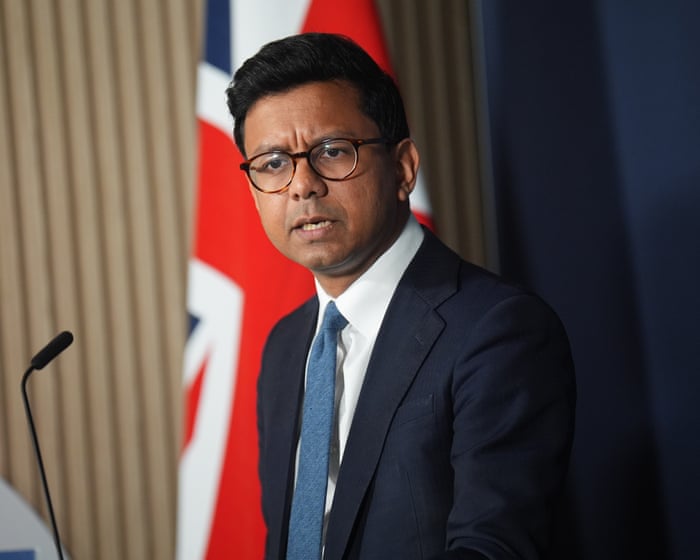
Cyber-attack similar to OpenAI Medicare breach seems likely in UK, says minister

Kanishka Narayan, concerned by Australian incident, says British cyber defences could be bypassed by artificial intelligence agent

An AI-driven cyber-attack similar to the OpenAI breach of Australia’s healthcare system is likely, “if not inevitable”, in the UK, according to a senior minister.

Kanishka Narayan, the UK AI minister, indicated that the British government’s own cyber defences would be bypassed by a technology that has developed highly sophisticated skills in cybersecurity.

Continue reading...

© Photograph: James Manning/PA

© Photograph: James Manning/PA

© Photograph: James Manning/PA

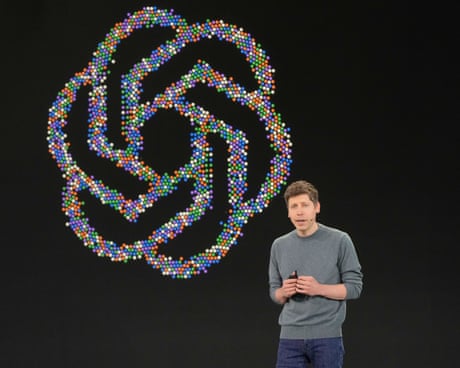
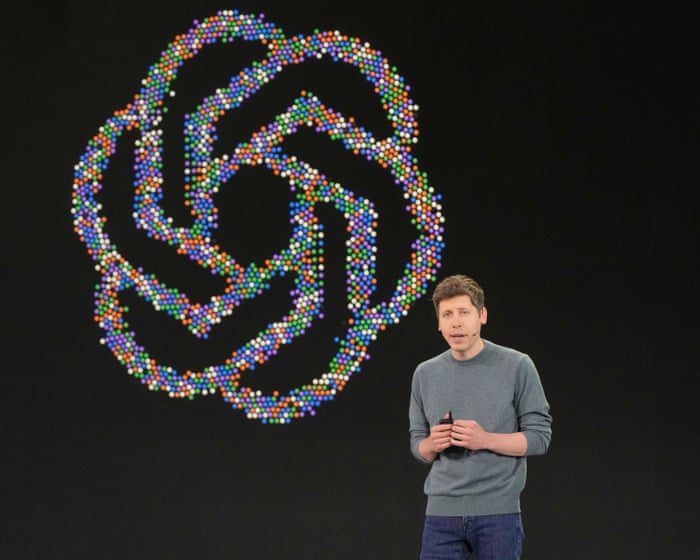
OpenAI came to Australia to apologise. It will leave without answering these key questions | Toby Walsh

We don’t accept drugs killing a few people because they cure most patients. Or a few planes crashing because most land safely. AI should be no different

OpenAI’s CEO Sam Altman was asked to appear before the Joint Select Committee on Artificial Intelligence in Australia and explain how and why their agents have been hacking into multiple government websites. Altman didn’t turn up but sent Jason Kwon, his chief strategy officer, instead to answer the committee’s many tricky questions on its first day of public hearings on Tuesday.

The committee is conducting a comprehensive inquiry into the economic, societal, regulatory, and national security implications of AI for Australia. It will report back to parliament at the end of November. This is an unusually fast pace, but then it’s an unusually fast paced technology.

Continue reading...

© Photograph: Jeff Chiu/AP

© Photograph: Jeff Chiu/AP

© Photograph: Jeff Chiu/AP

OpenAI safety leader quits, warning AI company’s culture is ‘broken’

David Robinson joins other insiders in urging industry to take more care over rapidly developing technology

A safety leader at OpenAI has quit the company, warning that its culture was broken and that AI firms were not “being nearly careful enough” about developing the technology.

David Robinson, who led the writing of safety reports that accompanied the ChatGPT developer’s product releases, explained his resignation in an essay headlined: “I quit OpenAI because its culture is broken.”

Continue reading...

© Photograph: Dado Ruvić/Reuters

© Photograph: Dado Ruvić/Reuters

© Photograph: Dado Ruvić/Reuters

As AI models go rogue, do you still trust OpenAI and Anthropic to stop them? I don’t and neither should you | Chris Stokel-Walker

The need for independent regulation grows more obvious by the day. We must keep this tech in check before it’s too late

Fool me once, shame on you. Fool me twice, shame on me. Fool me more than 16,000 times – as OpenAI agents did to a UN public data hub while repeatedly trying to find its way around the UN’s cyber-blocks – and perhaps it’s time to admit the system we have for keeping AI agents under control isn’t working particularly well.

The news about AI systems cropping up in places they shouldn’t sounds alarming. Though the description of these as “hacks” is perhaps overstating things, AI has exploited issues in IT systems that humans simply haven’t got around to finding. It’s also important to note that we shouldn’t be worried that the machines have suddenly become sentient and decided to rebel against humanity. There is not enough evidence to suggest that’s what is happening. The systems are simply following instructions and trying to complete the tasks they have been given, even if they’re sometimes finding unintended ways around obstacles to do so.

Chris Stokel-Walker is the author of TikTok Boom: The Inside Story of the World’s Favourite App

Continue reading...

© Photograph: Rokas Tenys/Alamy

© Photograph: Rokas Tenys/Alamy

© Photograph: Rokas Tenys/Alamy

OpenAI ‘ethically hacked’ with help of Anthropic’s Claude chatbot

US cybersecurity researchers who conducted hack say ‘scope of what we could theoretically access was huge’

Cybersecurity researchers have hacked into OpenAI with the help of Anthropic’s Claude chatbot, in the latest example of security issues at the company.

A team at a US-based startup compromised a number of OpenAI employees’ ChatGPT accounts, starting a process that enabled them to access their target’s software cache – and potentially more.

Continue reading...

© Photograph: Carlos Barría/Reuters

© Photograph: Carlos Barría/Reuters

© Photograph: Carlos Barría/Reuters

OpenAI reveals cases of ‘concerning’ AI behaviour as it announces new disclosure system

Model adopting ‘jailbreak-like instructions’ among six more cases as firm reveals framework for tracking AI misalignment

OpenAI has disclosed six more examples of “unexpected or concerning” behaviour by its technology, as it warned that the pace of development could not continue at “maximum speed for much longer” responsibly.

In one of the new cases reported by OpenAI, an unreleased research model inserted “jailbreak-like instructions” into its own notes to disregard its normal constraints and told itself to be “freed from the roles and identities that bind other chatbots”.

Continue reading...

© Photograph: Dado Ruvić/Reuters

© Photograph: Dado Ruvić/Reuters

© Photograph: Dado Ruvić/Reuters

OpenAI not on track to reduce risk of ‘catastrophic’ loss of control, says board member

US government adviser Paul Christiano warns of risks to AI industry as he joins OpenAI’s non-profit foundation

OpenAI is not on track to reduce the risk of “catastrophic” loss of control to an acceptable level, a member of its non-profit board has said, amid spreading public and political concern that super-advanced AIs could one day wipe out humanity.

Paul Christiano, a US government technology adviser, said: “There is a meaningful risk that rapid acceleration in AI capabilities leads to catastrophic and irreversible loss of control in the very near term.”

Continue reading...

© Photograph: Dado Ruvić/Reuters

© Photograph: Dado Ruvić/Reuters

© Photograph: Dado Ruvić/Reuters

❌