Visualização de leitura

X Money rollout linked to password-reset attacks

X says attackers may be targeting accounts because its X Money payments service is now more widely available.

The company is investigating a wave of unsolicited password-reset emails sent to users. While their arrival alongside the wider X Money rollout has fueled account-takeover concerns, X says it has found no evidence of a breach or successful account takeovers so far.

X users began reporting unexpected password-reset emails and codes on September 1. In a public post, X product engineer Mridul Singhai said:

“Attackers appear to believe that, now that @XMoney is widely available, they can gain unauthorized access to accounts.”

Singhai said X was actively investigating, apologized for the repeated emails, and added that the company had found “no evidence of any breaches.”

X Money gives eligible US users access to financial services within X, including interest-bearing accounts, a Visa debit card, and peer-to-peer payments. Cross River Bank provides the banking infrastructure behind the service.

This could make some X accounts more attractive targets, particularly accounts with payment access, high follower counts, business use, or valuable social-engineering potential.

The activity itself appears consistent with attackers submitting password-reset requests in bulk against X accounts. Requesting a password reset is not the same as resetting a password, however, and neither automatically means that an account has been taken over. X’s recovery process requires access to the email address or phone number associated with the account before someone can complete the reset.

There is no evidence that anyone has accessed X Money accounts or funds. Nor has X confirmed that X Money caused the password-reset activity. The timing is notable, but it does not prove a technical connection between the two.

Earlier this year, we saw a flood of Instagram password-reset emails, showing that similar activity can happen on platforms without payment services.

It could be a cover for something more serious. Even if an attacker cannot complete a reset, large volumes of legitimate-looking reset messages can provide useful cover for scams.

Reset flooding can also be a nuisance tactic. Repeated messages may pressure someone into changing their password unnecessarily, obscure more important security notifications, or encourage them to disable security controls in an attempt to stop the alerts.

How to stay safe

If you receive an X password-reset email that you did not request:

  • Do not click links or enter codes from unexpected messages. Open the X app or type x.com into your browser yourself if you want to inspect or change account settings.
  • Do not share reset codes or two-factor authentication codes. Support staff, advertisers, and “security teams” will not contact you unexpectedly to ask for them.
  • Turn on password-reset protection. X says this setting requires additional account information, such as an email address or phone number, before it will send a reset link or code. It is available under Settings and privacy > Account > Security > Password reset protection.
  • Use two-factor authentication, preferably an authenticator app or security key where available. This adds another verification step if someone obtains or guesses your password.
  • Use a unique, strong password. If you use your X password anywhere else, change it through X’s settings, not through a link in an email.
  • Watch for signs of an actual account takeover. These include unfamiliar posts, direct messages, profile changes, login alerts, or unknown apps connected to your account.
  • Stay alert for phishing. The strongest immediate consumer risk may not be a flaw in X itself, but phishing that imitates the reset process. A fake message can look especially convincing when genuine reset emails are arriving around the same time.
  • Use protection. An up-to-date, real-time anti-malware solution with web protection can warn you about malicious and fraudulent sites.

If you’re unsure whether a message is real, use Malwarebytes Scam Guard to check it and get advice about what to do next.


Scammers don’t need to hack you. They just need you to click once. 

Malwarebytes Identity Theft Protection catches suspicious activity before it becomes a problem.

Almost half a million Lloyds customers had personal data exposed in IT glitch

Letter from group published by MPs blames 12 March glitch on software update to its mobile banking apps

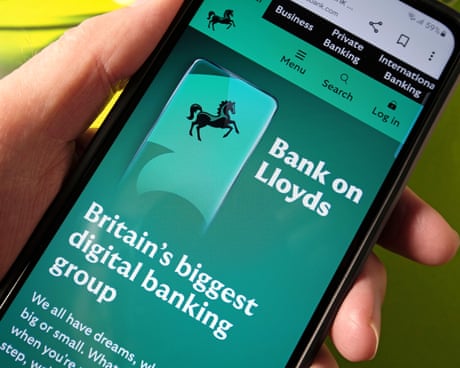
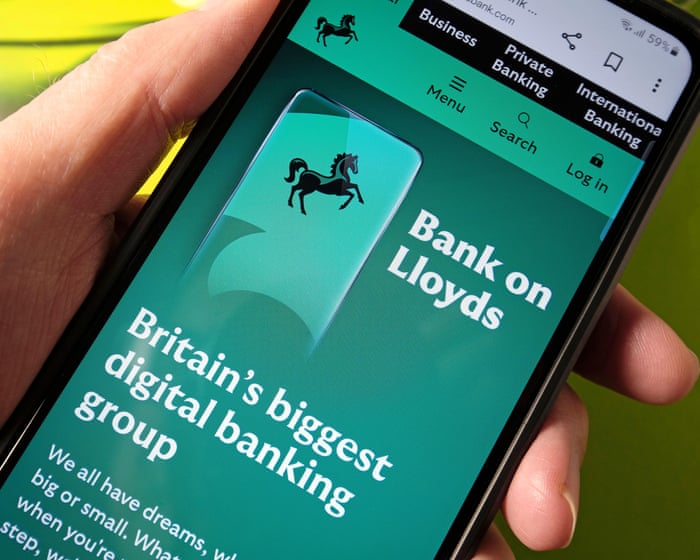
Lloyds Banking Group exposed the personal data of nearly 500,000 customers in an IT glitch that left people’s payments, account details and national insurance numbers visible to other users, a committee of MPs has revealed.

A letter from Lloyds, published by MPs on the Treasury select committee on Friday, blamed the glitch on a software defect introduced during an IT update to its Lloyds, Halifax and Bank of Scotland mobile banking apps overnight into 12 March.

Continue reading...

© Photograph: David Burton/Alamy

© Photograph: David Burton/Alamy

© Photograph: David Burton/Alamy

Louis Vuitton says UK customer data stolen in cyber-attack

Lead brand of French luxury group LVMH reassures customers financial data such as bank details were not taken

Louis Vuitton has said the data of some UK customers has been stolen, as it became the latest retailer targeted by cyber hackers.

The retailer, the leading brand of the French luxury group LVMH, said an unauthorised third party had accessed its UK operation’s systems and obtained information such as names, contact details and purchase history.

Continue reading...

© Photograph: SOPA Images/LightRocket/Getty Images

© Photograph: SOPA Images/LightRocket/Getty Images

© Photograph: SOPA Images/LightRocket/Getty Images

What to do if you can’t get into your Facebook or Instagram account

How to prove your identity after your account gets hacked and how to improve security for the future

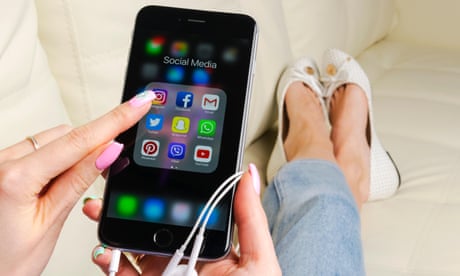
Your Facebook or Instagram account can be your link to friends, a profile for your work or a key to other services, so losing access can be very worrying. Here’s what to do if the worst happens.

If you have access to the phone number or email account associated with your Facebook or Instagram account, try to reset your password by clicking on the “Forgot password?” link on the main Facebook or Instagram login screen. Follow the instructions in the email or text message you receive.

If you no longer have access to the email account linked to your Facebook account, use a device with which you have previously logged into Facebook and go to facebook.com/login/identify. Enter any email address or phone number you might have associated with your account, or find your username which is the string of characters after Facebook.com/ on your page. Click on “No longer have access to these?”, “Forgotten account?” or “Recover” and follow the instructions to prove your identity and reset your password.

If your account was hacked, visit facebook.com/hacked or instagram.com/hacked/ on a device you have previously used to log in and follow the instructions. Visit the help with a hacked account page for Facebook or Instagram.

Change the password to something strong, long and unique, such as a combination of random words or a memorable lyric or quote. Avoid simple or guessable combinations. Use a password manager to help you remember it and other important details.

Turn on two-step verification in the “password and security” section of the Accounts Centre. Use an authentication app or security key for this, not SMS codes. Save your recovery codes somewhere safe in case you lose access to your two-step authentication method.

Turn on “unrecognised login” alerts in the “password and security” section of the Accounts Centre, which will alert you to any suspicious login activity.

Remove any suspicious “friends” from your account – these could be fake accounts or scammers.

If you are eligible, turn on “advanced protection for Facebook” in the “password and security” section of the Accounts Centre.

Continue reading...

© Photograph: bigtunaonline/Alamy

© Photograph: bigtunaonline/Alamy

Birthday freebies: how to cash in on UK retailers’ gifts and discounts

Join a loyalty scheme and you often get a reward or discount on your special day – but it may have strings attached

Celebrating your birthday isn’t just about getting presents and cards from family and friends. Signing up to loyalty schemes and newsletters can give you access to a host of freebies, deals and discounts from retailers to mark the big day.

With my birthday on the horizon I decided to look at what was on offer, and see which gifts came with some small print.

Continue reading...

© Photograph: Oleksandr Latkun/Getty

© Photograph: Oleksandr Latkun/Getty

❌